
Last updated October 16, 2026
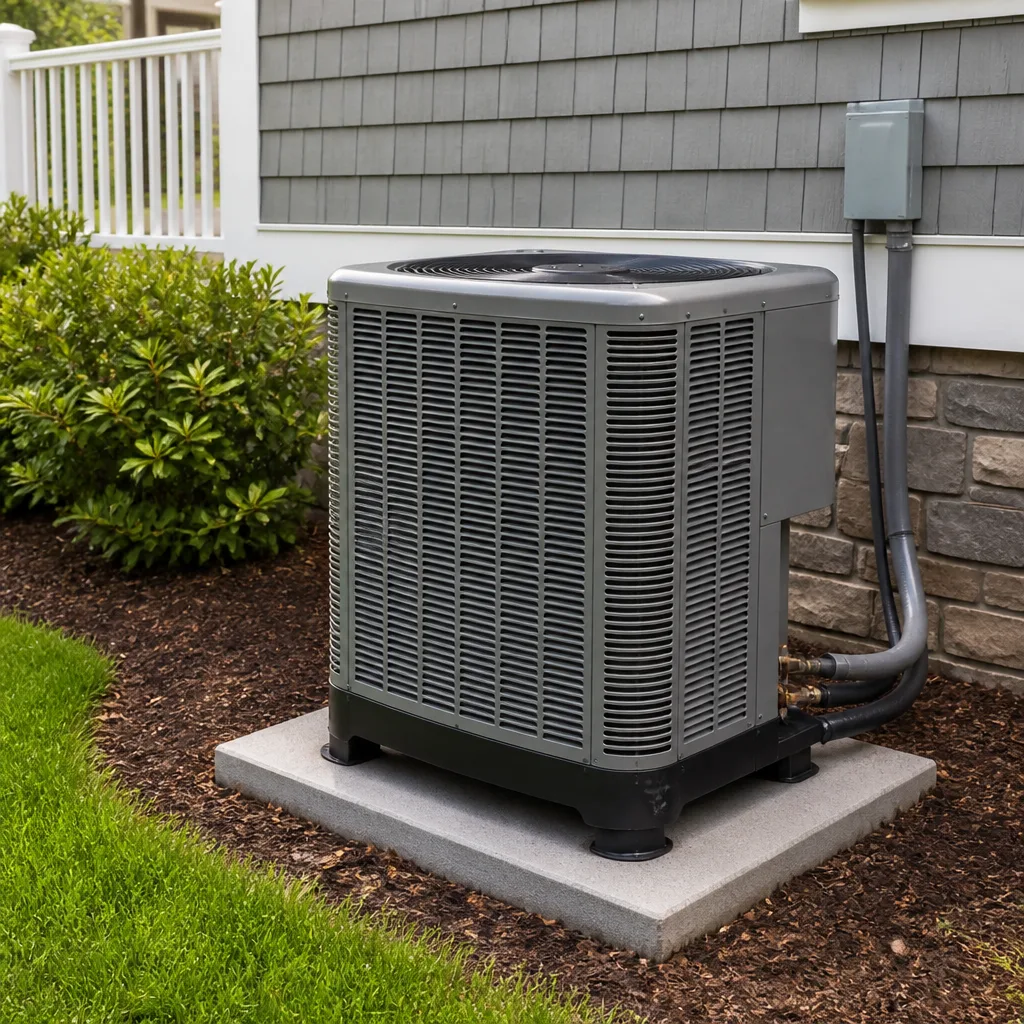 AC repair
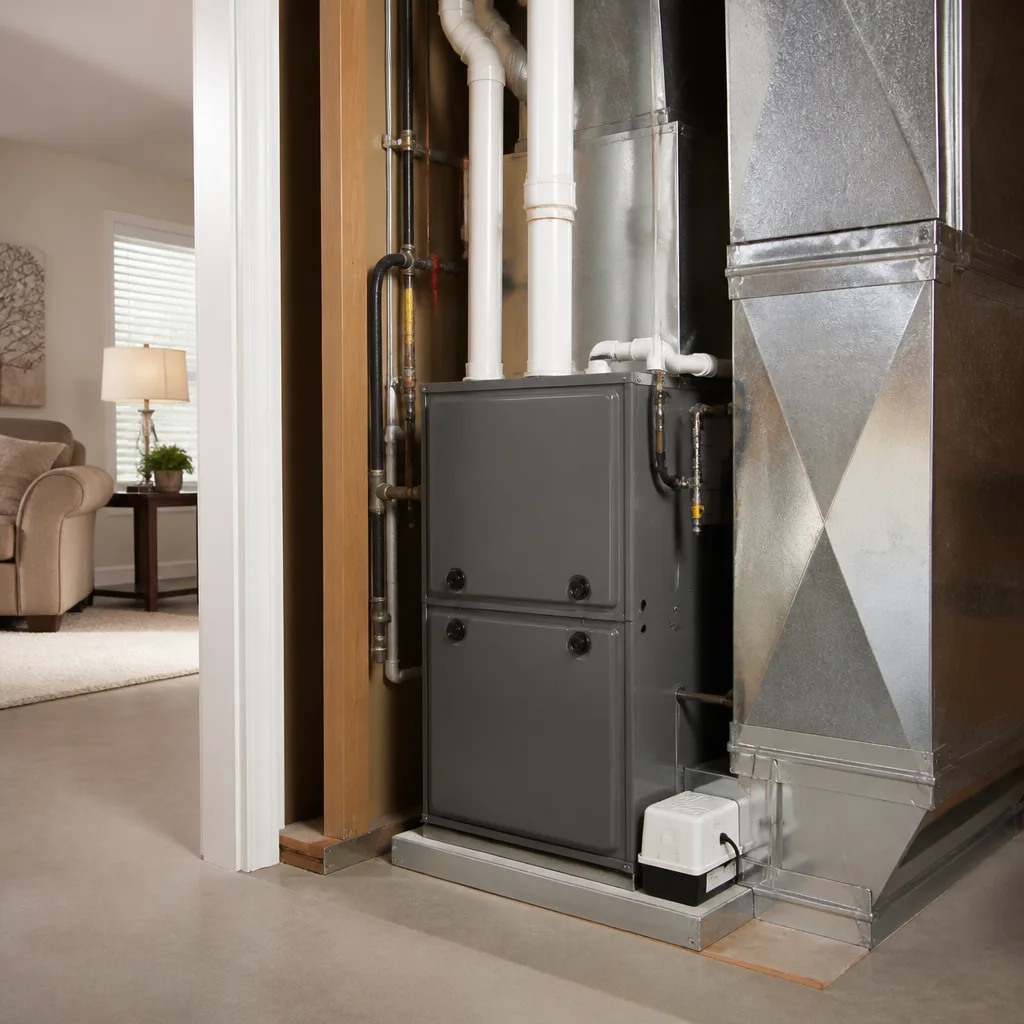 Furnace & heating
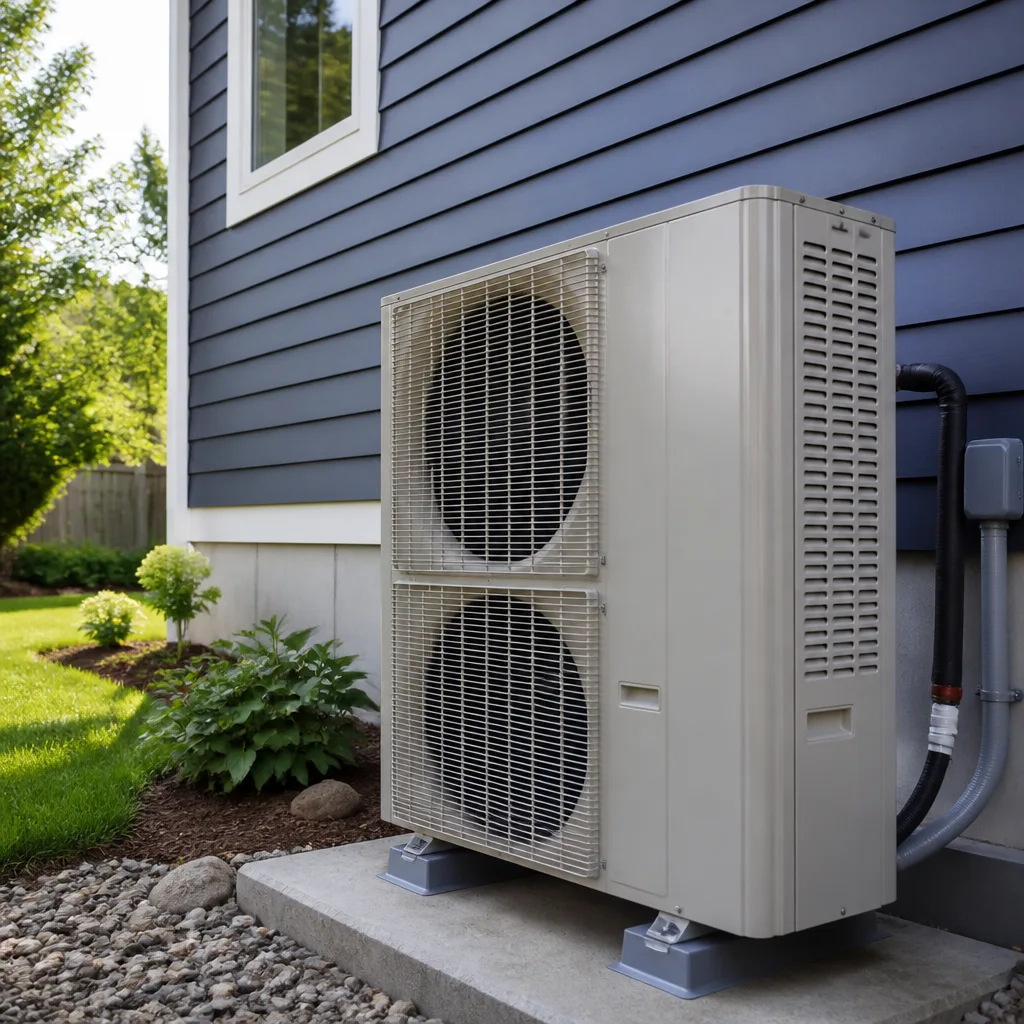 Heat pumps
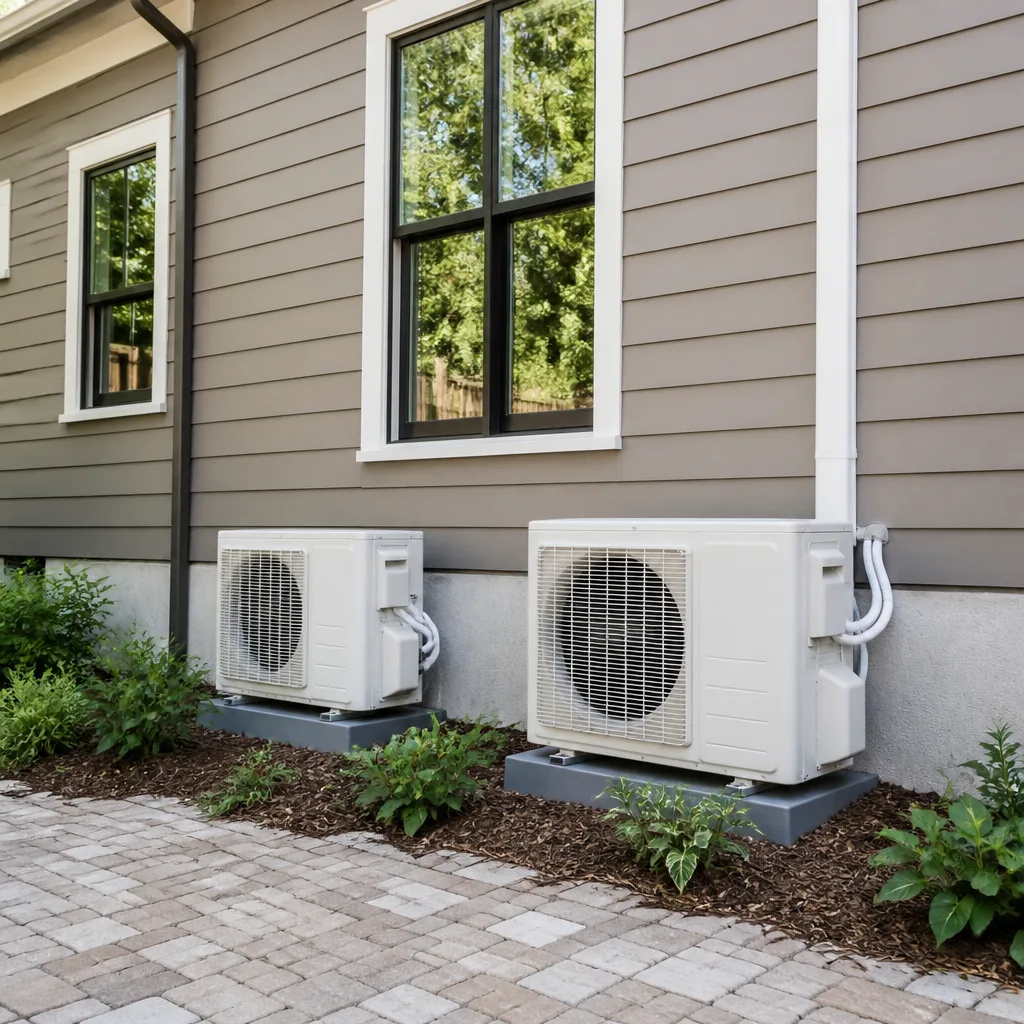 Ductless mini splits
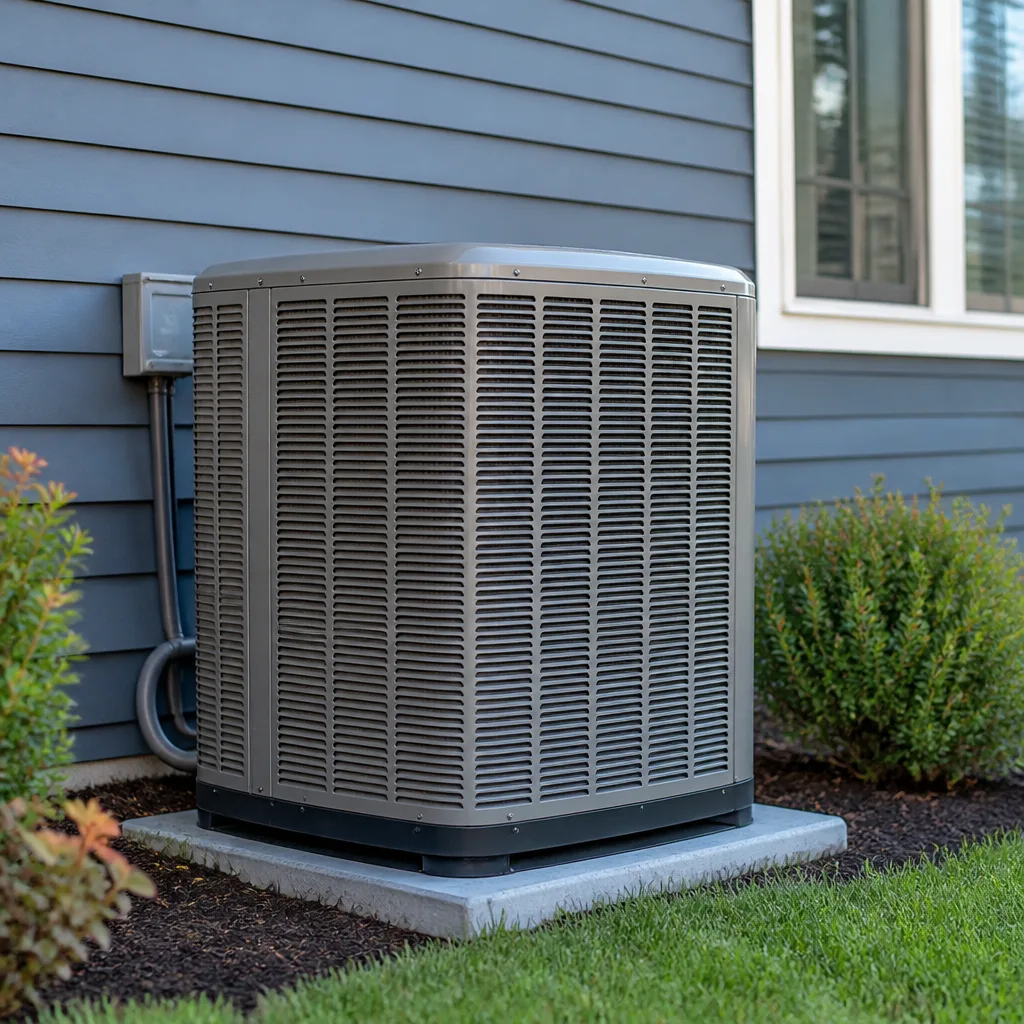 Carrier
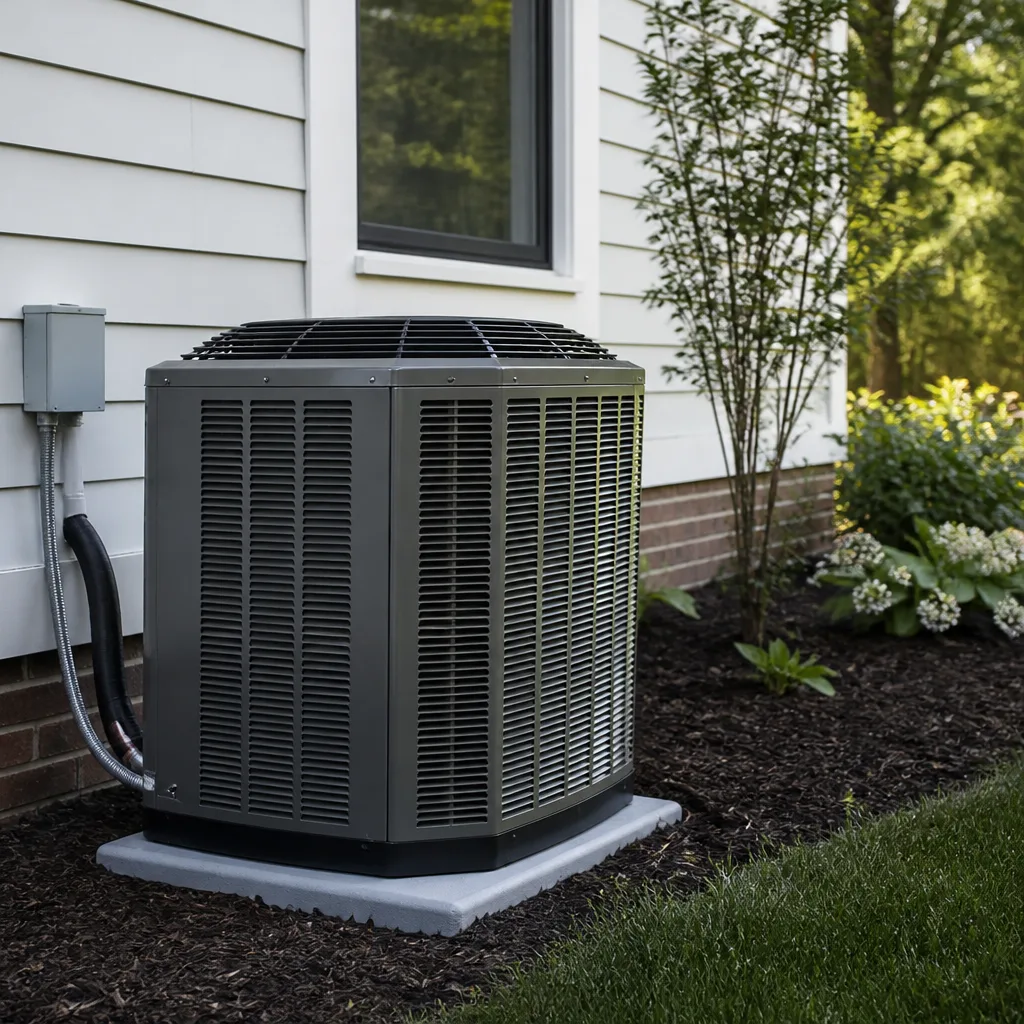 Trane
Trane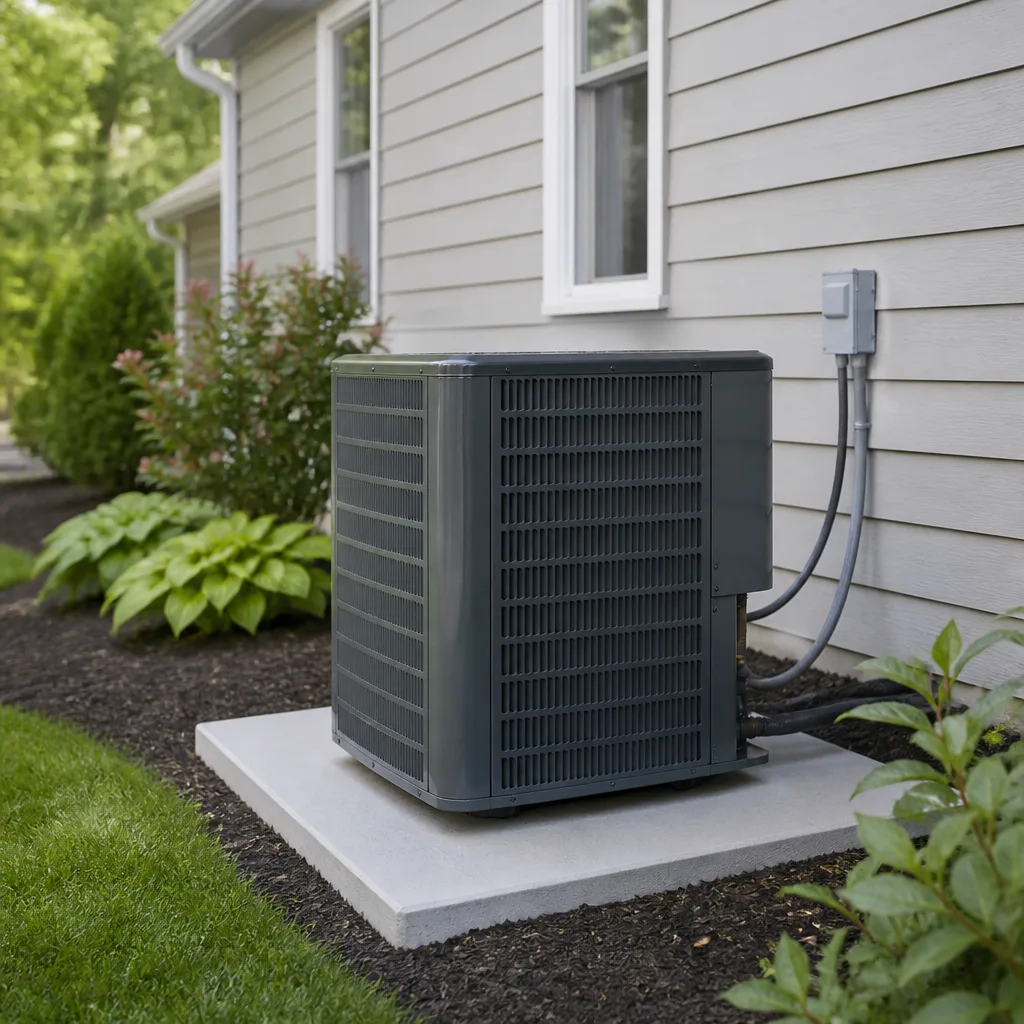 Goodman
Seasonal tune-up and full diagnostic on your Carrier, Trane, or Goodman system - readings shown to you before any repair is proposed
Diagnosis first, numbers second - you approve the repair price before a single part goes in.
Get your free estimateSeasonal HVAC Care for Marietta: Year-Round Homeowner’s Guide
Marietta doesn’t actually have four seasons. What we have are two long stretches of weather that push your HVAC system to its limits, separated by two short windows where a little attention saves you from a midnight breakdown in July or January. The window to tune up a Marietta HVAC system before peak summer demand is roughly six weeks, from early March to mid-April, and most homeowners miss it entirely because they’re following a spring checklist written for Ohio or Michigan. This guide lays out the real seasonal rhythm of Cobb County and exactly what to do in each window so you’re never the house calling for emergency service while the thermometer reads 96. For a broader look at how HVAC works in our area, see The Complete Guide to HVAC in Marietta.
Styles & brands we work with
Quick Answer
Seasonal HVAC care in Marietta means scheduling professional maintenance twice a year: once in early spring (March to mid-April) before cooling season, and once in early fall (late September through October) before heating season. Between those visits, homeowners should change air filters every 30 to 60 days, keep the outdoor unit clear of debris and pine straw, and watch for the specific warning signs of strain that Marietta’s humidity and long runtimes create. The payoff is lower energy bills, fewer emergency repairs, and a system that lasts years longer.
Table of Contents
- Why Marietta’s Climate Is Harder on HVAC Systems Than Most Homeowners Realize
- The Marietta HVAC Service Calendar: Exact Windows That Actually Work
- Spring (March to Mid-April): The Six-Week Window You Should Not Miss
- Summer (May to September): Weekly Habits That Reduce Strain on a System Running 12+ Hours a Day
- Fall (Late September to October): Why Duct Work Belongs Here, Not in Spring
- Winter (November to February): Managing the 40-Degree Swing Season in Marietta
- The Filter Schedule That Works for Cobb County Dust and Pollen
- Setting a Maintenance Reminder System That Survives Marietta’s Storm Season
- Common Mistakes to Avoid
- When to Call a Professional
- Frequently Asked Questions
- The Bottom Line
Why Marietta’s Climate Is Harder on HVAC Systems Than Most Homeowners Realize
Marietta sits in a humidity belt that changes how every component of your HVAC system wears. The air here holds moisture in a way that Phoenix or Denver air simply does not, and that moisture doesn’t just make you uncomfortable, it forces your system to work differently. Your air conditioner has two jobs in a Marietta summer: dropping the temperature and pulling water out of the air. The second job is the harder one, and it’s the one that drives up your power bill even on days when the temperature isn’t that high.
In our experience across Marietta neighborhoods from Whitlock Avenue to East Cobb, we see the same pattern repeat every year. Systems that get no spring attention fail in August. Systems that get no fall attention fail in January. The failures aren’t random. They follow from specific things Marietta does to equipment:
- Pine straw and pollen: Spring in Cobb County coats outdoor condenser units with a thick layer of pine straw, pollen, and oak tassels. A clogged condenser coil can raise your cooling cost by 20 to 30 percent because the system can’t reject heat efficiently.
- Clay soil settling: Much of Marietta sits on Georgia red clay, which shifts with rain and drought. Outdoor units slowly tilt out of level, which stresses the compressor and refrigerant lines over time.
- Long summer runtimes: From late May through September, a properly sized Marietta AC will run 10 to 14 hours a day. That’s 2,000 to 3,000 hours of runtime in a single season. Wear items like capacitors and contactors, which are rated in cycles, get used up fast.
- Attic heat and humidity: Attics in Cobb County regularly hit 130 degrees in summer, and ductwork runs through that heat. Leaky or poorly insulated ducts in a hot, humid attic lose cooling before it ever reaches your rooms, and they pull in humid attic air that makes the system work harder.
- Shoulder-season temperature swings: November and March in Marietta can swing from 38 at night to 78 in the afternoon. That means your system may run heat in the morning and cooling in the afternoon, which is hard on reversing valves in heat pumps and on thermostats that aren’t programmed for the swing.
None of this is a reason to panic. It’s a reason to plan. The fixes are straightforward, but they have to happen in the right season to do any good.
The Marietta HVAC Service Calendar: Exact Windows That Actually Work
A generic maintenance calendar tells you to check your system in “spring” and “fall.” That’s too vague for Marietta, where spring can mean 85 degrees in February and fall doesn’t reliably arrive until October. Here is the service calendar we recommend to homeowners throughout Marietta, based on how demand, weather, and equipment actually behave here:
- Early March to mid-April: Cooling prep window. This is the six-week window to have your AC checked before the first real heat wave hits. Most Marietta HVAC companies are fully booked by late April, and once summer demand starts, you’ll wait longer and pay more for the same visit.
- May through September: Cooling season. Protect the system with weekly homeowner habits. Only call for service if you hear, smell, or feel something wrong. This is not the time for elective maintenance.
- Late September through October: Heating and duct prep window. This is when to have the furnace or heat pump checked, and when to fix duct issues. Temperatures are mild enough that you can be without either heating or cooling for a day if a repair takes time.
- November through February: Heating season. Run the system, watch for short cycling and odd smells, and keep the filter schedule tight.
- Any time: Storm prep and recovery. Marietta’s spring and summer thunderstorms can knock out power, flood condensate drains, and blow debris into outdoor units. After any severe storm, do a quick visual check of the outdoor unit.
If you only remember two dates from this guide, make them March 1 and October 1. Scheduling your two professional visits on either side of those dates puts you ahead of almost every homeowner in Marietta.
Spring (March to Mid-April): The Six-Week Window You Should Not Miss
The single most valuable thing you can do for your Marietta HVAC system is to have it professionally serviced before cooling season starts, ideally between March 1 and April 15. Here’s why that window matters so much and what should happen during that visit.
Why March, Not May?
By early May, Marietta daytime highs are already pushing into the 80s, and every HVAC company in Cobb County is running emergency calls for systems that failed on the first genuinely hot day. If you call for maintenance in May, you’ll wait. If you call in March, you’ll have your pick of appointment times, and the technician isn’t rushing between no-cool calls. More importantly, if the spring visit finds a problem, like a refrigerant charge that’s low or a capacitor that’s weak, you have weeks to fix it before you actually need the system. Fixing a failing capacitor in March costs a fraction of fixing a compressor that died in August because a bad capacitor went unreplaced.
What a Spring Service Visit Should Include
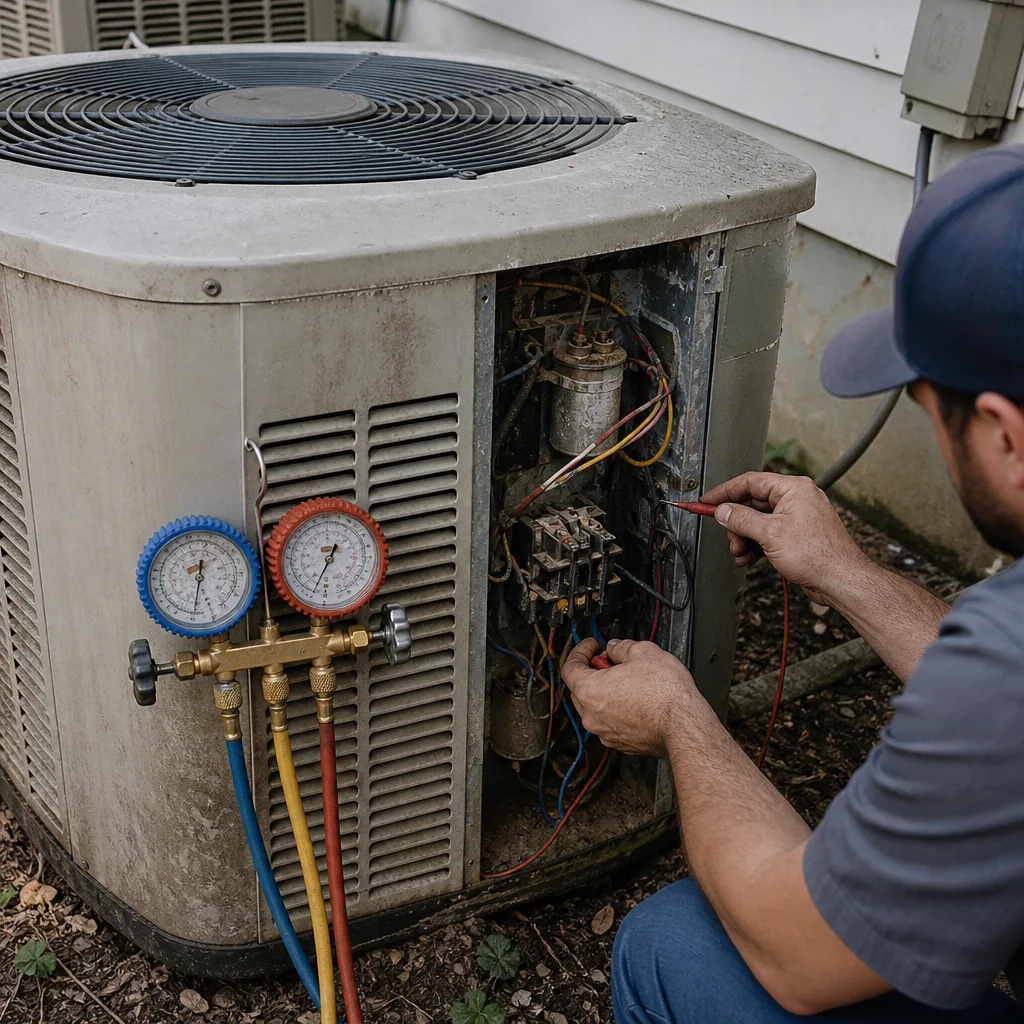
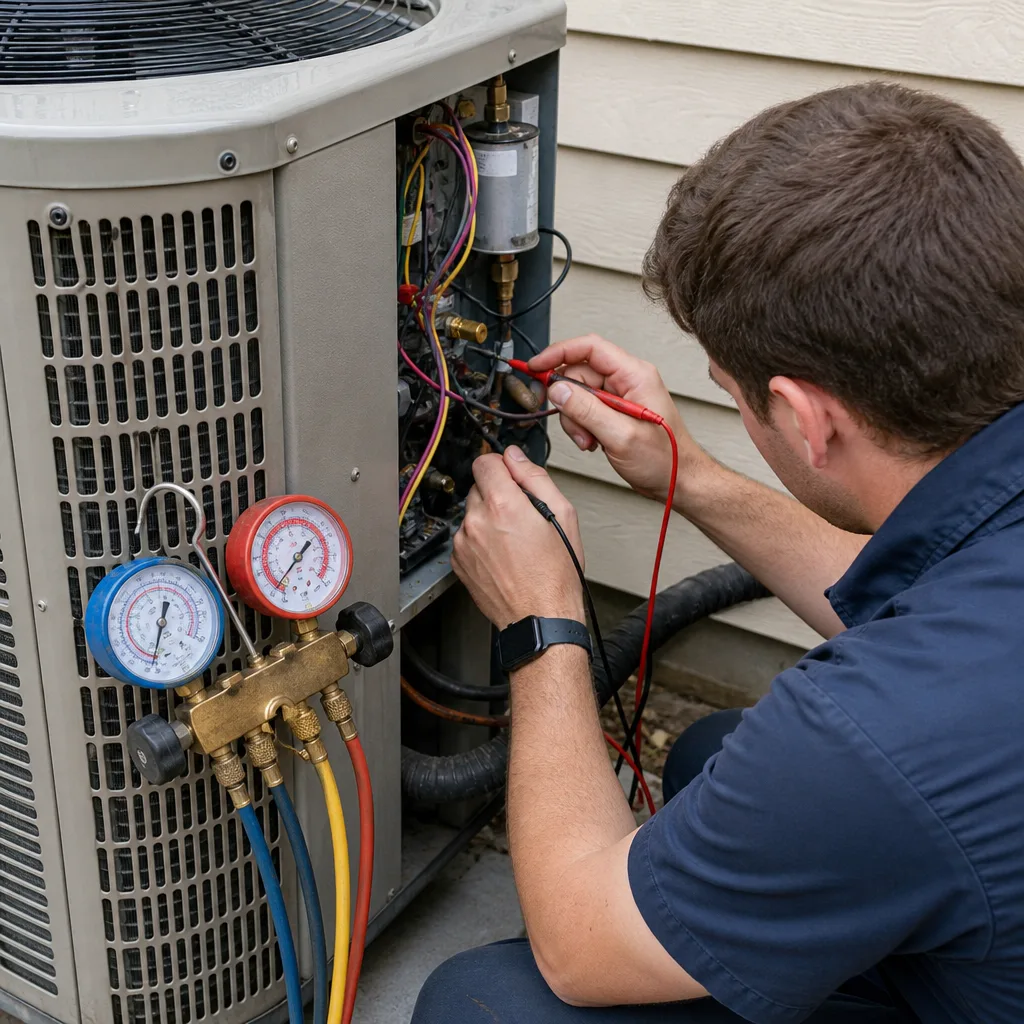
When our technicians at AC Maintenance in Marietta do a spring visit, here’s what gets checked, in plain language:
- Refrigerant level: The fluid that carries heat out of your home. Low refrigerant means a leak, and a leak never fixes itself. Catching it in March prevents a no-cool failure in July.
- Capacitors and contactors: The electrical parts that start your compressor and fan. These are the most common failure point in Marietta summers, and they’re cheap to replace preemptively.
- Condensate drain line: The pipe that carries water away from your indoor unit. In Marietta humidity this line clogs with algae, and a clogged drain can flood a closet or ceiling. We flush it every spring.
- Coil cleaning: Both the indoor evaporator coil and outdoor condenser coil collect a winter’s worth of dust, pollen, and pine straw. A clean coil cools better and costs less to run.
- Airflow measurement: Weak airflow is the earliest sign of a developing problem, whether it’s a dirty blower, a failing motor, or duct issues.
- Thermostat calibration: A thermostat that reads 72 when the room is actually 76 makes your system run longer than it should. Calibration is a five-minute fix with real savings.
A written report of what was checked and what was found should always be part of the visit. You should never have to guess what a technician did. Our spring visits include a written price for any recommended repair before any work starts, so there are no surprises on the invoice.
Summer (May to September): Weekly Habits That Reduce Strain on a System Running 12+ Hours a Day
Once cooling season starts in Marietta, the professional work should already be done. What’s left is a set of simple homeowner habits that protect the system during the months when it’s working hardest.
Weekly Summer Checklist
- Check the filter. In peak pollen weeks and when you’re running the system constantly, check the filter every two weeks. A clogged filter drives up energy use and makes the system run hotter.
- Walk around the outdoor unit. Look for grass clippings, pine straw, leaves, or anything that’s blown against the condenser. Clear at least 18 inches around all sides. In Marietta, pine straw is the biggest culprit because it packs tightly against the coil and blocks airflow.
- Listen for pattern changes. Your system should start, run, and shut off in a consistent rhythm. If it starts and stops every few minutes (short cycling), or runs constantly without reaching the set temperature, that’s a signal something is wrong.
- Check the condensate line. If you have an accessible drain pipe near the indoor unit, look for standing water or a wet spot around it. A slow drain in June becomes a ceiling stain by August.
- Keep vents open and unblocked. Closing more than one or two vents in an attempt to “save energy” increases pressure in the duct system and makes the blower work harder. Keep furniture from blocking return vents.
One Marietta-specific note: our summer afternoon thunderstorms come with lightning, and a nearby strike can damage a compressor or control board even if your power never goes out. If your system acts oddly after a storm, like running but not cooling, or not starting at all, shut it off at the thermostat and call for AC Repair in Marietta rather than letting it run in a damaged state. Running a system with a damaged component can turn a small repair into a big one.
Fall (Late September to October): Why Duct Work Belongs Here, Not in Spring
Conventional wisdom says spring is the time for duct inspection and sealing. In Marietta, conventional wisdom is wrong. Fall is the right time, and here’s why.
Marietta’s spring is defined by pollen, rain, and humidity. Opening up ductwork or crawling into an attic in April means working in an environment that’s already 100 degrees plus in the attic, with humid air that makes sealing materials less effective. Duct sealants need dry, stable conditions to cure properly. Fall in Cobb County gives you exactly that: cooler attics, lower humidity, and weeks of mild weather before heating season demands peak airflow. If a duct repair means your system is down for a day in October, you barely notice. In July, you’d suffer through it.
What Happens to Ducts in a Marietta Climate
Ductwork in Marietta homes, especially older homes from the 1960s through 1990s around the Historic District and beyond, typically runs through attics that bake all summer and cool all winter. Over the years, the expansion and contraction works joints loose. Rodents and squirrels, common in the tree-heavy neighborhoods around Kennesaw Mountain, can damage flexible ductwork. The result is a duct system leaking 15 to 30 percent of conditioned air into an attic where it does no one any good.
A fall duct inspection should include a check for disconnected joints, tears, compression, and insulation condition where accessible, plus an airflow measurement at supply registers. Sealing and insulating ducts not only saves energy, it changes comfort: rooms that have always been hot in summer and cold in winter are often rooms being starved by duct leaks, not undersized equipment. If you have not had your ducts looked at in years, fall is the time.
Winter (November to February): Managing the 40-Degree Swing Season in Marietta
November is the strangest month for HVAC in Marietta. The calendar says heating season has started, but the weather often says otherwise. You’ll see mornings in the 30s and afternoons in the 70s, sometimes in the same day. That 40-degree swing creates a real technical problem for your system and a practical problem for your comfort.
What the Swing Means for Heat Pumps
If your home uses a heat pump, a common choice in Marietta, the reversing valve is the component that switches the system between heating and cooling mode. Most reversing valves move every time the system changes mode. During November and March, when you might need heat in the morning and cool in the afternoon, the valve cycles more in a week than it would in two months of a stable season. Reversing valves are generally reliable, but when they fail, it’s almost always during these swing-season months. If your heat pump starts blowing cool air in heat mode, or the outdoor unit ices over despite temperatures above freezing, the reversing valve or defrost control needs attention.
What November Service Should Cover
If you didn’t get a fall furnace check, early November is still a reasonable time in Marietta. Before the first extended cold snap, have the technician check the heat exchanger for cracks, test the igniter or pilot, verify carbon monoxide safety, and make sure the system’s airflow is adequate. A furnace check in November is also a good time to test run the system, because the first real heating run of the season often brings a smell of burned dust that’s normal for a few hours but should clear. If the smell persists or smells acrid, shut it down and call. Our Furnace Repair in Marietta work picks up every year right around the first cold snap, and most of those calls are from systems that were not checked in fall.
During the heating season, remember that gas furnaces produce carbon monoxide as part of normal combustion, and that carbon monoxide is colorless and odorless. If you don’t have working CO detectors on each level of your home and near sleeping areas, install them this week. It’s the cheapest insurance you’ll ever buy.
The Filter Schedule That Works for Cobb County Dust and Pollen
The most repeated HVAC advice in the world is “change your filter,” and it’s repeated because it’s true. But the standard advice of every 90 days doesn’t hold up in Marietta. Here’s the schedule that matches what’s actually in our air:
- March through May (pollen peak): Check every two weeks. Cobb County’s tree pollen in March and April is among the highest in the country, and your filter is working like a face mask for your HVAC system. Expect to change a standard 1-inch filter every 30 days during spring.
- June through August (high runtime): Check monthly. Even if the filter doesn’t look dirty, the constant runtime means it’s loading up fast. A cheap pleated filter changed monthly beats an expensive one changed quarterly.
- September through November (dust and leaf debris): Check monthly. Fall brings drier air, which means more dust in circulation, plus leaf debris that finds its way in.
- December through February (holidays and closed windows): Check every 30 to 45 days. With windows closed, whatever’s in your indoor air stays in your indoor air, and the filter is the first line of defense.
Homes with pets should shift every interval shorter by about two weeks, especially during shedding season. Homes with multiple pets or a renovation in progress may need monthly changes year-round. If you hold a filter up to a light and can’t see light through it, it’s overdue no matter what the calendar says. The filter is the one maintenance item every Marietta homeowner should be fully comfortable handling. It takes two minutes, requires no tools, and protects every other component downstream of it.
Setting a Maintenance Reminder System That Survives Marietta’s Storm Season
Good intentions don’t survive a Marietta spring. The season from March through May here brings violent thunderstorms that knock out power, drop trees, and scramble everyone’s schedule. Any reminder system that assumes you’ll be available “sometime in March” will fail. Here’s a system that actually works, built around how our weather behaves:
Step 1: Put Two Hard Dates in Your Calendar
Set annual recurring calendar events for March 1 and October 1. On each date, the action is the same: schedule your seasonal maintenance visit. Not “think about it,” not “get around to it.” Schedule it. Even if the actual visit happens two weeks later, the appointment is on the books during the window that matters.
Step 2: Add a Storm-Season Backup Reminder
Set a second recurring event for April 15 labeled “Check outdoor unit after spring storms.” This is the one most homeowners miss. After any severe thunderstorm, walk outside and look at your condenser unit. Check for branches resting on it, mud splashed up into the coil, or standing water around the base. A 30-second check after a storm can prevent a no-cool call in June.
Step 3: Pair Filter Changes With Something You Already Do
Don’t rely on remembering the filter schedule in the abstract. Pair it with a monthly task you already do, like paying the mortgage or the first Saturday of the month. Better yet, write the date on the filter frame with a permanent marker when you install it, so you can see at a glance how long it’s been in place.
Step 4: Choose a Company That Puts the Appointment on You
The best reminder system is a company that sends a reminder. When you establish a maintenance relationship with a local company, you shouldn’t have to remember anything; the company should reach out when your system is due. That’s how we operate with our maintenance customers in Marietta, because the homeowner who forgets a maintenance visit is the homeowner who calls us in August with a fried compressor. We’d rather see you in March.
Common Mistakes to Avoid
- Following a national spring checklist timeline. Most national advice says to schedule AC service “before summer.” By the time summer feels imminent in Marietta, which is late April, the window is already closing. Book by mid-March.
- Closing vents in unused rooms to save money. Your system was designed to move a specific volume of air. Blocking vents raises duct pressure, stresses the blower, and in the worst case can cause the evaporator coil to freeze in summer. Keep vents open.
- Ignoring a dripping condensate line because “it’s just water.” In Marietta’s humidity, that drip can become a steady flow that soaks drywall, warps flooring, and grows mold inside a wall cavity. A clogged drain is a $100 fix in March and a $2,000 remediation in August.
- Waiting for the first cold snap to test the furnace. The first cold snap in Marietta is exactly when everyone else is also testing their furnace. If yours doesn’t start, you’re waiting in line behind half the neighborhood. Test it in October, when a no-heat situation is an inconvenience, not an emergency.
- Letting pine straw accumulate against the outdoor unit. Pine straw is abundant in Cobb County and it packs tightly against the condenser coil, choking the airflow your system needs. Fifteen minutes of clearing every month saves real money on cooling costs.
- Skipping fall maintenance because “the heater worked fine last year.” Heat exchangers crack, igniters weaken, and airflow falls off gradually. The failure happens in January, but the cause was developing for months. Fall service catches it before the cold does.
- Trusting a thermostat reading without verification. Thermostats drift out of calibration, especially in humid environments. If a room feels warmer than the number on the display, the display might be lying. Calibration is a quick fix during any maintenance visit.
When to Call a Professional
Some tasks belong to a technician, full stop. If your system is running but not cooling or heating, making sounds it never made before (grinding, screeching, buzzing), or tripping breakers, shut it down and call. If you smell anything like burning plastic or rotten eggs, shut it down, leave the house if the smell is strong, and call. If your outdoor unit is iced over in summer or your furnace is short-cycling in winter, these are symptoms of conditions that get worse the longer the system runs. Refrigerant handling requires EPA certification and specialized equipment; electrical components carry risk of shock; and gas furnace components carry risk of fire and carbon monoxide exposure. These are not homeowner tasks. Brandt HVAC Co Marietta home offers free estimates in Marietta, and every visit starts with a written price before any work begins. Call (478) 662-5175 and speak to a live person, any hour of any day.
Frequently Asked Questions
Twice a year. Schedule cooling service in early March to mid-April, before the summer heat and before companies get slammed with no-cool calls; our AC Repair Maintenance Checklist for Marietta Homeowners covers exactly what to expect. Schedule heating service in late September through October, before the first cold snap. Homes with pets, allergies, or older systems may benefit from an additional filter change interval check mid-season, but two professional visits cover the mechanical needs of a properly maintained system in Marietta.
Professional HVAC maintenance visits in Marietta typically run from about $90 to $180 for a standard tune-up on one system, depending on what’s included and whether it’s a cooling or heating visit. Some companies offer maintenance agreements that discount the per-visit price and include priority scheduling. At Brandt HVAC, every maintenance visit includes a written report of what was checked and found, and any recommended repair comes with a written price before work starts. Call (478) 662-5175 for current pricing.
You can, but you shouldn’t. Newer furnaces still have igniters that fail, flame sensors that get dirty, and condensate drains that clog, especially in humid climates like ours. Skipping fall maintenance on a new furnace is like skipping oil changes on a new car, the damage accumulates before you see it. Many manufacturer warranties actually require annual professional maintenance as a condition of coverage, and a skipped annual visit can be used to deny a warranty claim on a failed heat exchanger or compressor.
Keep the outdoor unit clear of debris, change the filter monthly during peak runtime, keep interior vents open, and set the thermostat to the highest temperature you can genuinely tolerate. Every degree you raise the thermostat cuts cooling cost by about 3 percent. Beyond those habits, the biggest cost reducer is making sure the system is running at peak efficiency with clean coils and a correct refrigerant charge, which is exactly what a spring maintenance visit accomplishes.
Constant running with no temperature drop usually means the system has lost cooling capacity. The three most common causes in Marietta are a refrigerant leak, a badly clogged or dirty outdoor coil, or duct leakage in the attic. All three get worse through the summer if left unfixed, and all three are diagnosable in a single service visit. If the system is running constantly, shut it down and call rather than letting it run indefinitely, the longer it runs in a compromised state, the more expensive the eventual repair.
No. Modern condenser units are built to sit outside year-round, and covering them traps moisture that accelerates rust and corrodes electrical connections. In Marietta, where winter brings frequent rain and high humidity anyway, a cover makes things worse by holding that moisture against the unit. The only exception is if you know a specific debris source, like a tree that drops heavy leaf fall directly onto the unit, in which case a breathable mesh screen designed for condensers is better than a solid cover. A professional fall maintenance visit is the right kind of winter prep.
The Bottom Line
Seasonal HVAC care in Marietta is about two appointments and a handful of habits. Book the professional visits in March and October, change the filter more often than the national average suggests, keep the outdoor unit clear of pine straw, and check on everything after spring storms. Do those things consistently, and your system will run through Cobb County’s brutal summers and swing-season winters without drama. The homeowners who end up with emergency calls in July and January are almost always the ones who skipped the spring or fall window. Devin Marlowe and the team at Brandt HVAC Co Marietta are here when you need us, but the best call is the one you make in March, before you need us badly. For more guides & resources, visit our blog.
Written by Devin Marlowe, Owner at Brandt HVAC Co Marietta, serving Marietta since 2003.
See the difference
 Before
 After
After Before
 After
After