
Last updated October 16, 2026
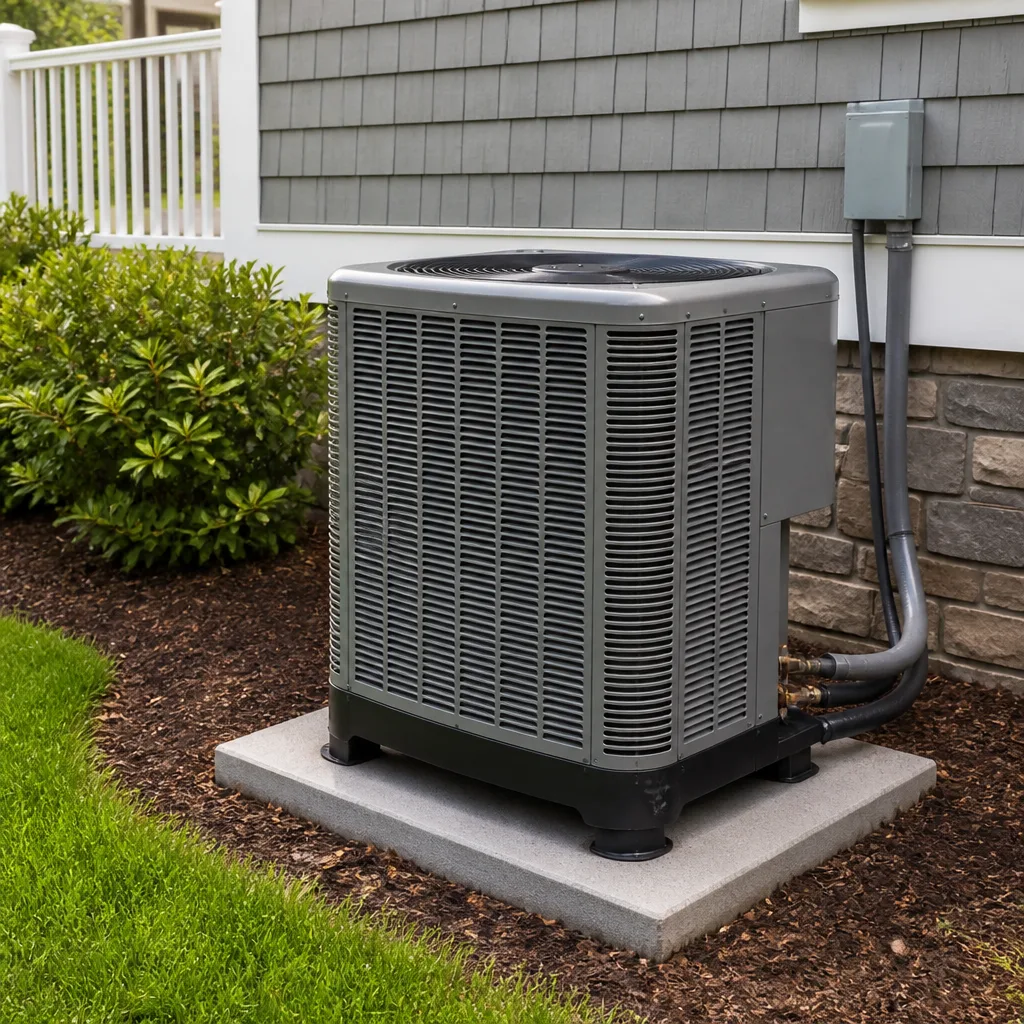 AC repair
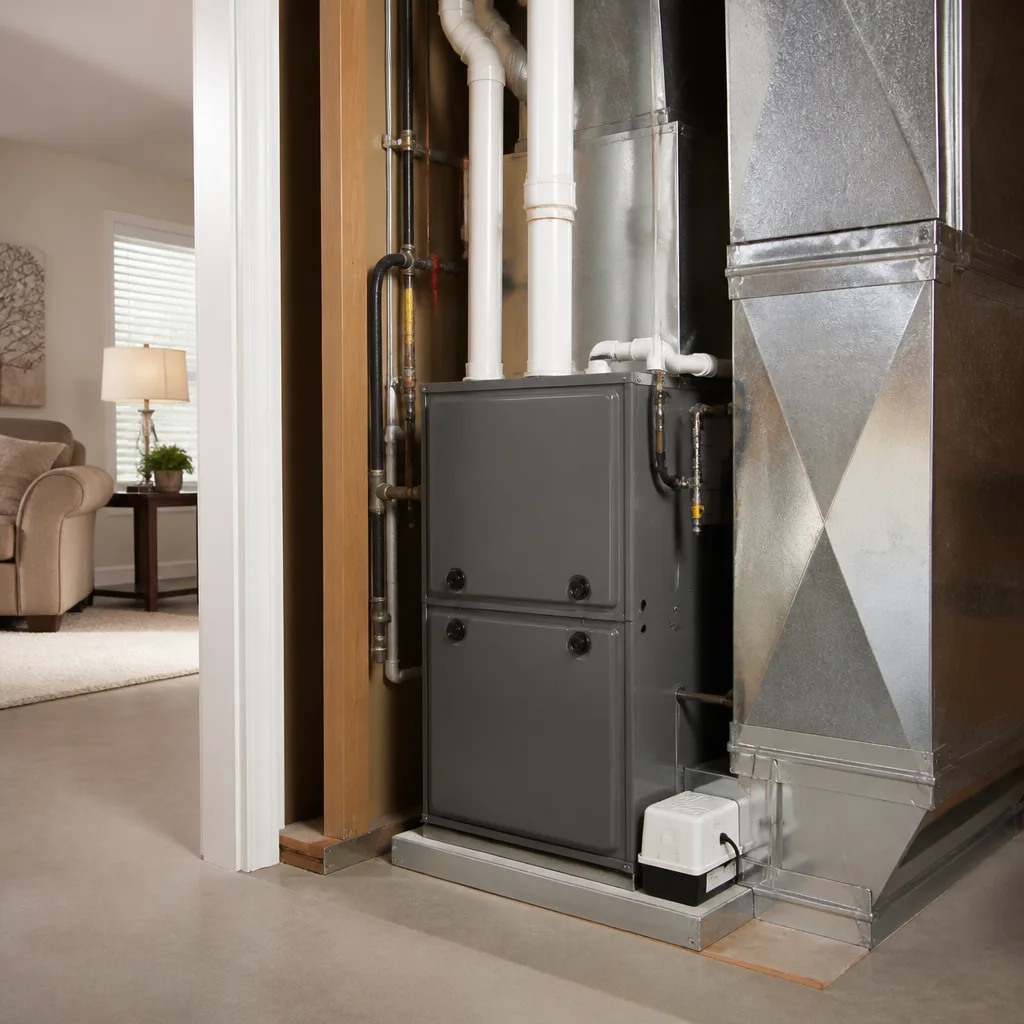 Furnace & heating
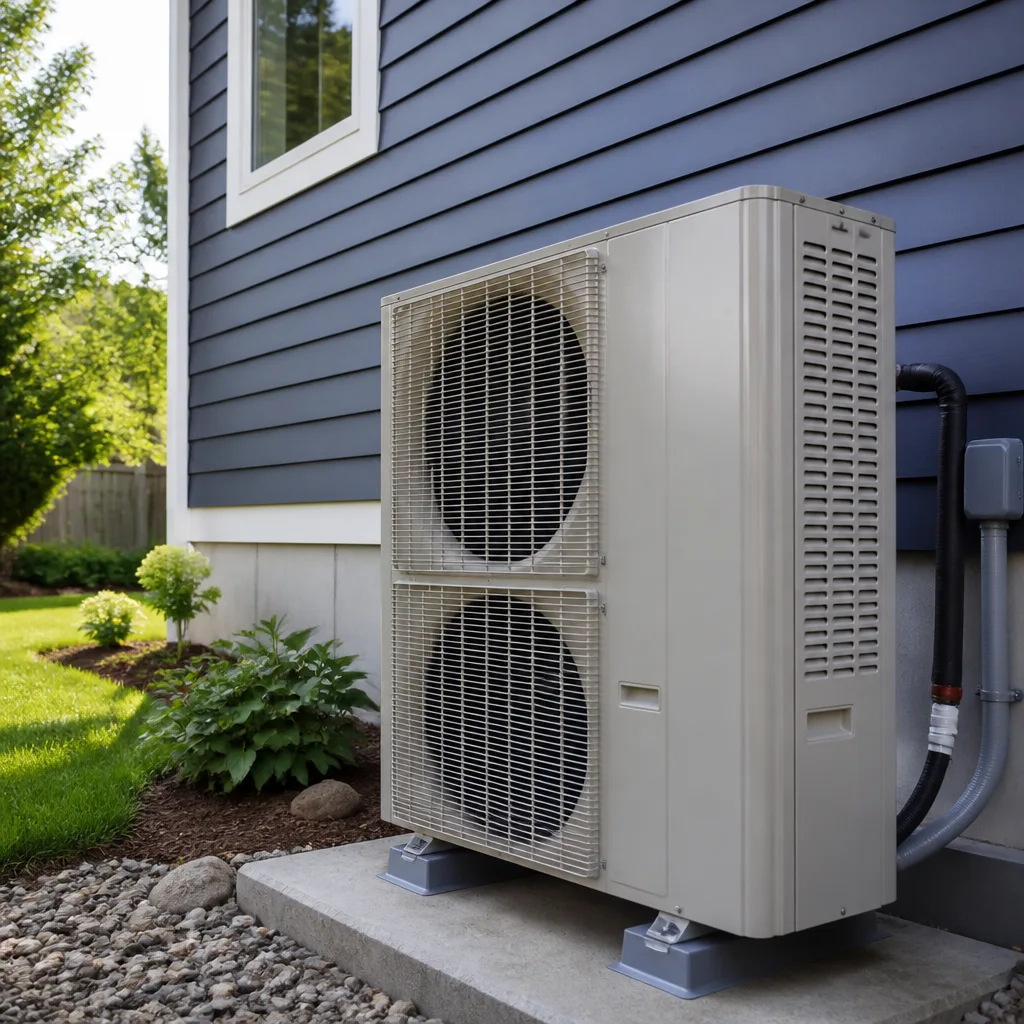 Heat pumps
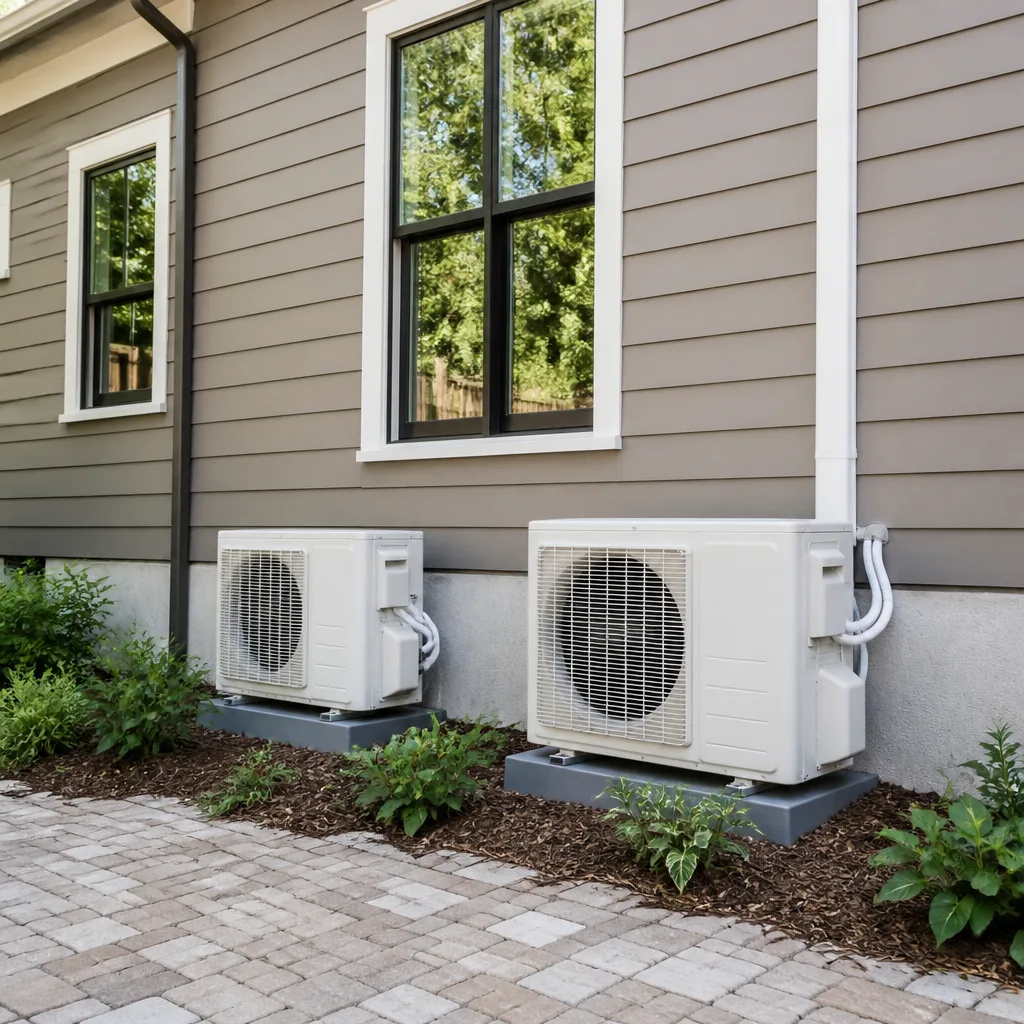 Ductless mini splits
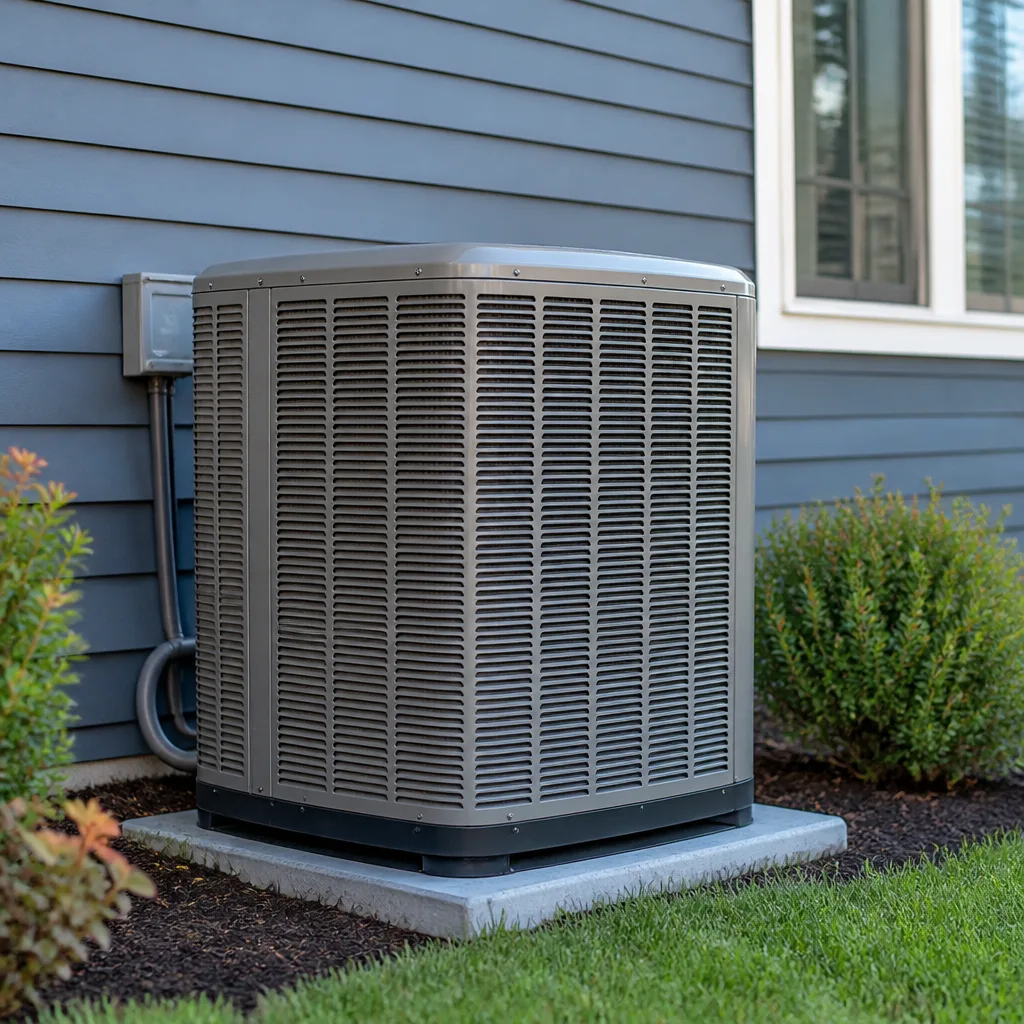 Carrier
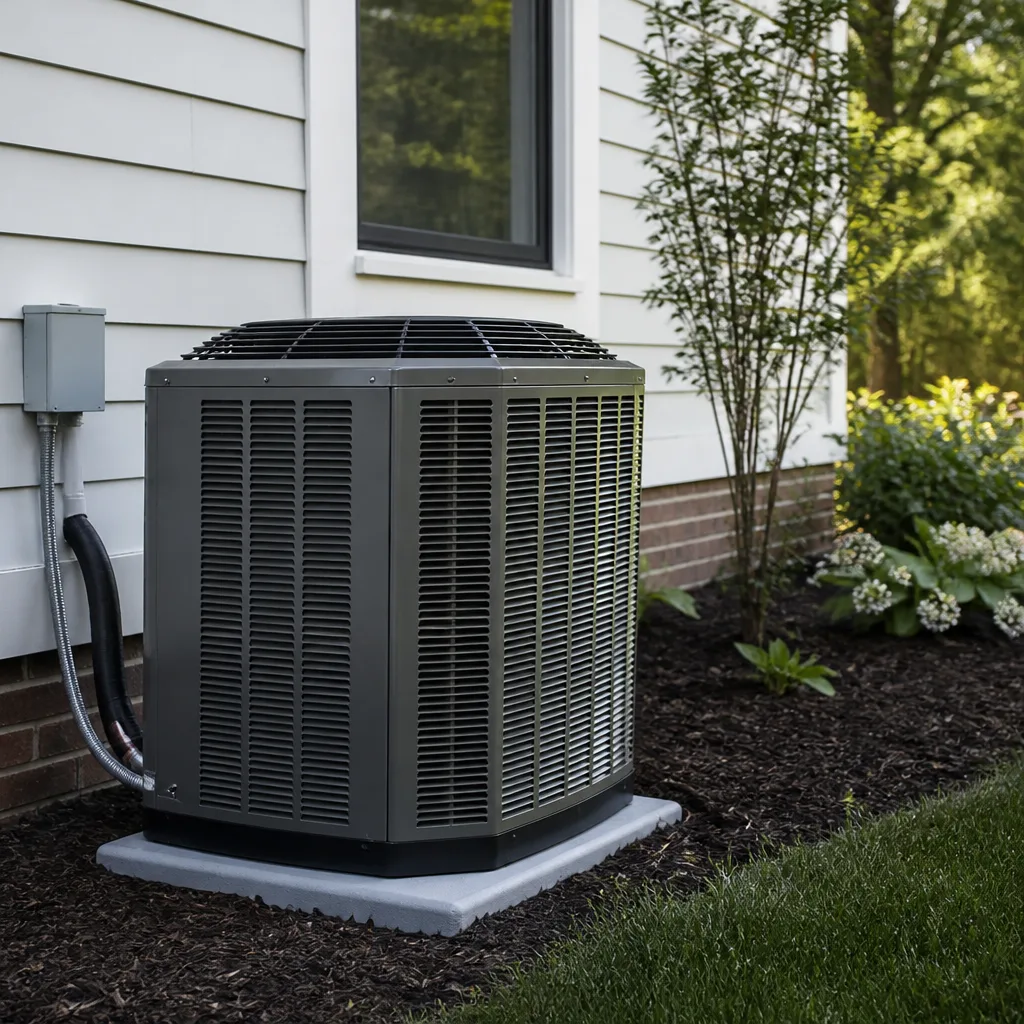 Trane
Trane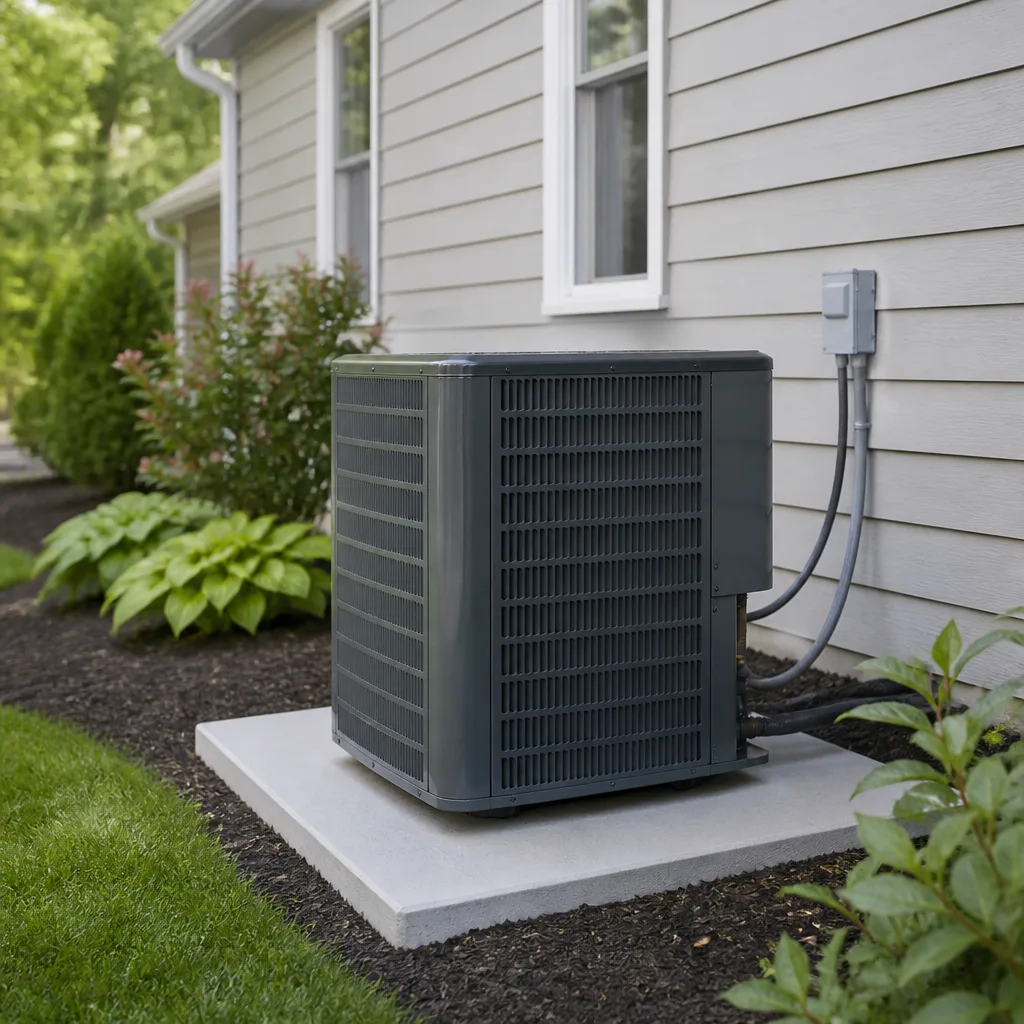 Goodman
Seasonal tune-up and full diagnostic on your Carrier, Trane, or Goodman system - readings shown to you before any repair is proposed
Diagnosis first, numbers second - you approve the repair price before a single part goes in.
Get your free estimateAC Repair Maintenance Checklist for Marietta Homeowners
Marietta sits in one of the highest airborne pollen corridors in the United States. A clogged outdoor coil from April oak pollen can reduce cooling efficiency by 30% before you notice anything wrong inside. That’s money leaving your house through the electric meter, not through a breakdown. This guide is built around the specific failure points that Marietta’s humidity, pollen season, and summer storm patterns actually cause. You’ll learn a month-by-month checklist, which tasks are safe for you and which need a technician, and how to document your system so you’re never guessing when a repair is needed. We’ve maintained and repaired thousands of AC units in Marietta and we can tell you exactly what fails here that doesn’t fail in Phoenix, Dallas, or Denver. For The Complete Guide to HVAC in Marietta, see our full resource library.
Styles & brands we work with
Quick Answer
The AC maintenance checklist for Marietta homeowners starts with a March pollen-prep rinse of the outdoor unit, followed by monthly filter checks through summer, a condensate drain flush every 60 days during high-humidity months, and a professional tune-up before June. Completing these steps in this order prevents the two most common summer breakdowns in Marietta: pollen-clogged coils and algae-blocked drain lines. Expect to spend about $90 to $180 for a professional AC maintenance visit in Marietta, or roughly $25 in DIY materials if you handle the basic steps yourself.
Table of Contents
- Why Marietta’s Climate Breaks AC Units Differently
- Month-by-Month AC Maintenance Checklist for Marietta
- How to Safely Clean Your Outdoor Coil (And When to Stop)
- Condensate Drain Lines in High-Humidity Climates
- The Three Filter Types That Handle Georgia Pollen
- What to Document Before Every Technician Visit
- Common Mistakes to Avoid
- When to Call a Professional
- Frequently Asked Questions
- The Bottom Line
Why Marietta’s Climate Breaks AC Units Differently
Marietta’s combination of heat, humidity, and airborne particulates creates a perfect storm for AC systems. The city averages 49 inches of rain per year, mostly in afternoon thunderstorms that run from late May through August. That moisture combines with clay-heavy Georgia soil and intense summer heat to create the Southeast’s signature challenge: sustained humidity that never lets your system dry out. A typical Marietta summer day runs 88 to 94 degrees with 70% or higher relative humidity, which means your AC unit is running 18 to 20 hours a day, every day, from June through September.
That constant runtime is the real problem. In drier climates, an AC unit cycles on and off and gets natural rest periods. In Marietta, the system barely stops for three solid months. The condensate drain line never dries out. The evaporator coil inside stays wet. The outdoor condenser coil collects a fresh layer of pollen, dust, and grass clippings every single week. We’ve seen coils in East Cobb and Powder Springs that were 60% blocked by late May because homeowners assumed the spring rain would wash them clean. It doesn’t. Pollen binds to coil fins when wet, and once dry it hardens into a paste that requires real water pressure or chemical cleaning to remove.
Adding to the load, Marietta’s storm season brings frequent power fluctuations. Brief outages and surges during afternoon thunderstorms can trip capacitors and strain compressors on older systems. Units that are already running hot from a blocked coil are far more likely to fail during a storm restart than systems that have been properly maintained. This is why our maintenance approach for Marietta homeowners is calendar-driven and specific to what’s actually happening outside your house in any given month.
Month-by-Month AC Maintenance Checklist for Marietta
This is the checklist we recommend for every home in Marietta, from historic Marietta Square to newer construction near Kennesaw Mountain. It’s timed to the actual pollen and storm calendar here, not a generic seasonal guide.
- March (pollen prep): Rinse the outdoor condenser coil with a garden hose. Remove the disconnect to kill power first, then spray from the top down at a 45-degree angle. Do not use a pressure washer. Replace the air filter with a fresh one rated for pollen. Check the condensate drain line for winter sludge. This is the single most important month for preventing summer breakdowns in Marietta.
- April (peak pollen): Check the air filter every two weeks. Oak and pine pollen hit peak concentrations in April in Marietta, and a filter can go from clean to completely loaded in 10 days. Check the outdoor unit weekly for visible pollen buildup on the coil fins. A second rinse mid-month is often needed after the oak peak.
- May (pre-season test): Run the system for 30 minutes on a day above 80 degrees. Check the air temperature at a supply vent and compare it to the return. You want a 15 to 20 degree temperature drop. Schedule your professional maintenance visit now if you haven’t already. Technicians book out 2 to 3 weeks in advance once June heat arrives in Marietta.
- June (storm season begins): After the first major thunderstorm, inspect the outdoor unit for debris, leaves, and mud splatter. Check the float switch on your drain line if you have one. Confirm the outdoor unit is level since heavy rain saturates Georgia clay and can cause settling. Listen for unusual sounds on startup.
- July and August (peak load): Check the filter every two weeks. Check the drain line outlet every two weeks. During high-humidity stretches, pour one cup of white vinegar down the drain line at the indoor unit to slow algae growth. Watch your electric bill for unexplained spikes, which often indicate a struggling coil or low refrigerant.
- September and October (post-season): Rinse the outdoor coil again to remove summer storm debris and grass clippings. If you have a heat pump, this is the time to switch your focus to heating season. Leave the disconnect off for one full weekend and let the system rest. Clean around the outdoor unit. Cut back any shrubs or ground cover that grew close during summer.
This calendar works because it addresses what’s actually happening in Marietta at each point in the year. Pollen peaks in March and April. Humidity peaks July through August. Storm damage risk peaks June through September. A system that gets its coil cleaned in March, its drain line maintained all summer, and its full inspection in May will handle a Marietta summer without surprise failures.
How to Safely Clean Your Outdoor Coil (And When to Stop)
Rinsing your own condenser coil is one of the few AC maintenance tasks we encourage homeowners to handle. But there’s a right way that preserves your system and a wrong way that causes $800 in coil damage. The difference comes down to water pressure, spray angle, and knowing when the fins are too damaged for a simple rinse.
What’s safe for you to do
- Turn off the power at the outdoor disconnect switch, not just at the thermostat.
- Remove the outer cover panel if it comes off easily with basic screws.
- Spray water from the inside out if possible, or from the top down at a 45-degree angle.
- Use a garden hose with a standard nozzle, not a pressure washer.
- Spray through the fins to push debris out the way it came in, never directly into the fins at point-blank range.
- Let the unit dry for 30 minutes before restoring power.
When to stop and call a technician
If you see fins that are bent flat over more than 10% of the coil surface, stop. Bent fins require fin combing, which is a specialized tool and technique. Rinsing won’t fix them, and the airflow restriction they cause will keep your system running hot even if the coil is clean. Other stop conditions: oil stains on the coil surface indicating a refrigerant leak, fins that are corroded or crumbling to the touch, or a coil so packed with pollen paste that a garden hose can’t move it. At that point the coil needs chemical cleaning, which involves a coil cleaner solution and proper rinsing procedure. We clean coils in Marietta every spring that have been neglected for three or more seasons, and the difference in system performance is immediately measurable.
One more warning from our repair files: never use a pressure washer on your condenser coil. A pressure washer will flatten the delicate aluminum fins against the coil, permanently reducing airflow and cooling capacity. We’ve replaced coils for Marietta homeowners who made this mistake. The repair runs $900 to $1,400 for a typical residential unit. The garden hose you already have does the job just as well without the risk.
Condensate Drain Lines in High-Humidity Climates
Your AC system produces 5 to 20 gallons of condensate water per day in Marietta’s summer humidity. All that water drains through a PVC pipe that runs from the indoor evaporator coil to the outside of your house. Here’s what makes Marietta different from dry climates: our drain lines never dry out. In Phoenix or Las Vegas, a drain line can evaporate between cooling cycles. In Marietta, the line stays wet from May through September, and that standing moisture grows algae at a rate that surprises homeowners from drier states.
Algae growth inside the drain line is the number one cause of indoor AC leaks in Marietta. The algae forms a slime that catches dust and debris, eventually blocking the line completely. When that happens, the water backs up into the evaporator coil pan and overflows into your ceiling, walls, or basement. We see this exact failure every week from June through August. The repair usually involves clearing the blockage with compressed air or a wet-dry vac, then treating the line with an algaecide. If the overflow has damaged drywall or flooring, that’s a separate insurance matter.
How to check and maintain your drain line
- Find the drain line access point near the indoor unit. It’s usually a capped PVC tee fitting in the vertical pipe above the unit.
- Remove the cap. Look inside with a flashlight. If you see slime or standing water at the top of the pipe, the line is already partially blocked.
- Pour one cup of white vinegar down the line. The vinegar kills algae and dissolves mineral deposits. Do this every 60 days during summer in Marietta.
- Check the outlet outside. It’s usually a small PVC pipe sticking out of the foundation or siding near the outdoor unit. When the AC is running, you should see a steady drip. No drip means the line is blocked somewhere.
- Rinse the outdoor line with a garden hose if you see slow drainage. A gentle stream for 30 seconds usually clears soft blockages.
If your installation has a float switch, which is a small device in the drain pan that shuts off the system when water backs up, test it monthly during summer. Simply lift the float and confirm the system shuts off. If it doesn’t, the switch has failed and your next clog will cause a flood. Float switch replacement runs about $80 to $150 parts and labor in Marietta.
The Three Filter Types That Handle Georgia Pollen
Filter choice in Marietta is not a trivial decision. The wrong filter either lets pollen through to coat your evaporator coil or restricts airflow so badly that the blower motor fails years early. Here’s what actually works for Georgia pollen season and what causes more problems than it solves.
What works
- MERV 8 flat fiberglass or polyester filters: These are the budget option at $2 to $6 per filter. They catch the larger pollen grains and protect the coil from heavy buildup. Change them monthly during March, April, and May. Good for older systems with weaker blowers that can’t handle high-resistance filters.
- MERV 11 pleated filters: These catch fine pollen and mold spores, which makes them the sweet spot for most Marietta homes. Expect to pay $8 to $15 per filter with a 30 to 60 day replacement interval. If you have allergy sufferers in the house, this is the minimum we’d recommend.
- MERV 13 pleated filters (with caution): These catch almost all airborne particulates, including the smallest pollen fragments and wildfire smoke. But they restrict airflow significantly. Use MERV 13 only if your system was designed for it or you have a variable-speed blower. On a standard single-speed blower, a MERV 13 filter can reduce airflow by 20% or more, which strains the motor and raises your electric bill.
What to avoid in Marietta
Avoid cheap washable filters advertised as permanent. Their filtering efficiency drops dramatically after the first few washes, and they do little against fine Georgia pollen. Also avoid anything rated MERV 16 or higher unless your system was specifically designed for hospital-grade filtration. Those filters belong in surgical suites, not a standard residential air handler in Marietta. They can cut airflow enough to freeze the coil, which causes serious damage. If you’re unsure which filter your system can handle, call AC Maintenance in Marietta and we’ll check the manufacturer’s specifications for your specific unit.
The real-world impact of filter choice shows up in repair patterns. We see blower motor failures in Marietta homes with MERV 13 filters on old single-speed systems at roughly twice the rate of homes using MERV 8 or MERV 11. The filter you choose is a trade-off between air quality and system health. For most Marietta homeowners, MERV 11 pleated filters changed every 45 days during pollen season and every 90 days the rest of the year is the right balance.
What to Document Before Every Technician Visit
A maintenance or repair visit goes better when you have a baseline. This matters for your records, for warranty claims, and for getting a fair second opinion if one is ever needed. Here’s what to photograph and write down before a technician arrives at your Marietta home.
- Photograph the outdoor unit data plate. This shows the manufacturer, model number, and serial number. Carrier, Trane, Lennox, and Goodman all have multi-year parts warranties, but the warranty is tied to the serial number. Having this photo handy saves a 20-minute phone call when a part fails under warranty.
- Photograph the indoor air handler data plate. Same reasoning. The indoor and outdoor units are often different ages and may have different warranty coverage.
- Write down the filter size and type you’re currently using. Include the MERV rating. Take a photo of the filter edge where the size is printed. This matters if a technician recommends changing it.
- Photograph the thermostat as it’s currently set. Include the current temperature and schedule if visible. If the technician changes settings, you’ll know what was different.
- Photograph any visible problem areas. Water stains on the ceiling, frost on the refrigerant lines, oil spots near the outdoor unit, bent fins, unusual rust. Close-up photos, not wide shots.
- Note any sounds or smells. Write down when you hear them, how long they last, and whether they’re worse at certain times of day. A “grinding noise on startup for 5 seconds” is more useful than “it’s making a weird sound.”
- Photograph the area around the outdoor unit. Include plants, fences, deck supports, and anything that might affect airflow or access. This protects you if a technician says the unit location is causing a problem.
This documentation also helps when you’re comparing quotes from multiple companies. When every technician has seen the same baseline photos, their diagnoses and prices can be compared honestly. At Brandt HVAC Co Marietta, we welcome documented baselines. A homeowner who has photos and model numbers is a homeowner we can serve faster and with more certainty. If you need an AC repair in Marietta and you’ve got your documentation together, we’ll be able to give you an accurate written price that same visit.
Common Mistakes to Avoid
- Using a pressure washer on the condenser coil. This flattens the delicate aluminum fins and permanently reduces cooling capacity. We’ve replaced coils in Marietta that were destroyed by a five-minute pressure washing. A garden hose is all you need.
- Changing to a high-MERV filter without knowing if your system can handle it. MERV 13 filters on a single-speed blower restrict airflow too much. You’ll see higher electric bills and sooner blower motor failure. Check the manufacturer’s specs or ask a technician before upgrading.
- Skipping the drain line because it hasn’t flooded yet. In Marietta’s humidity, algae builds for weeks before a blockage becomes obvious. By the time water backs up, you’re dealing with drywall repair on top of an AC service call. Treat the drain line every 60 days during summer.
- Closing supply vents in unused rooms to save energy. This increases static pressure in the duct system and can strain the blower motor. It also throws off the system’s airflow balance. Keep vents open and use the thermostat to manage temperature instead.
- Planting shrubs or building enclosures too close to the outdoor unit. The condenser needs 18 to 24 inches of clearance on all sides. We see Marietta homeowners who planted boxwoods too close and choked off airflow. The unit runs hot and the compressor works harder than it should.
- Ignoring a slow drain because you can’t see a problem. A drain line that drips slowly outside is not a warning sign in Marietta. But a drain line that stops dripping entirely means the water is backing up somewhere inside. Check the outlet monthly during summer.
- Waiting until June to schedule maintenance. Every Marietta HVAC company books out weeks in advance once temperatures hit 90. Schedule your tune-up in April or early May. You’ll get a better appointment time and the work will be done before your system is running flat out.
When to Call a Professional
Some tasks on this checklist are well within a homeowner’s ability. Others cross into territory where a mistake costs real money or creates a safety problem. Our DIY vs Professional HVAC: The Marietta Homeowner’s Decision Guide breaks down exactly where that line falls. Call a professional when you see any of the following: refrigerant lines that are frosty or sweating excessively, which means a leak or low charge; oil stains on the condenser coil, which means a potential compressor leak; any electrical burning smell from the indoor or outdoor unit; breakers that trip repeatedly when the AC runs; or a system that’s running but not cooling, which usually means low refrigerant, a failed capacitor, or a frozen coil. We also recommend a professional inspection whenever a system is more than 10 years old, even if it’s running fine, because wear on capacitors, contactors, and fan motors becomes unpredictable after that point.
Brandt HVAC Co Marietta offers AC Repair services with free estimates in Marietta, and every job starts with a written price before any work begins. Call (478) 662-5175 to schedule an inspection or get a quote on any repair.
Frequently Asked Questions
Change your filter every 30 days during March, April, and May when pollen counts peak in Marietta, and every 45 to 60 days during summer months. In fall and winter, every 90 days is sufficient for most homes. Homes with pets or two or more occupants should lean toward the shorter intervals. A MERV 11 pleated filter is a good choice for most Marietta homes because it catches fine Georgia pollen without overly restricting airflow.
If you’re not sure whether your current filter is doing the job, call (478) 662-5175 and we’ll help you check it during a maintenance visit.
A professional AC maintenance visit in Marietta typically costs $90 to $180 for a standard tune-up that includes coil cleaning, drain line flush, capacitor test, refrigerant check, and filter replacement. More comprehensive maintenance agreements run $150 to $300 per year for two visits. The exact cost depends on your system type and age. Every Brandt HVAC Co Marietta maintenance visit includes a written price before work begins, so you’ll know the exact cost before we touch your system. Explore more guides & resources on keeping your system running efficiently.
For an exact quote on your system, call (478) 662-5175. Estimates are free.
No. Bleach corrodes the PVC pipe and can react with the algae to create a paste that makes the blockage worse. Use white vinegar instead. Pour one cup of white vinegar down the drain line access point near the indoor unit every 60 days during summer. Vinegar kills algae safely and dissolves mineral deposits without damaging the pipe. If the line is already completely blocked, vinegar won’t clear it. You’ll need compressed air or a wet-dry vac, which is when you should call a technician.
If you’re dealing with a blocked line right now, call (478) 662-5175 and we’ll clear it before it floods your ceiling.
The three most common causes in Marietta are a refrigerant leak, a failed capacitor, or a blocked condenser coil from pollen and debris. A refrigerant leak means the system has lost its cooling fluid and can’t move heat out of your home. A failed capacitor means the compressor or fan motor can’t start. A blocked coil means the system can’t reject heat into the outside air. All three require a technician with proper tools and refrigerant handling certification.
If your system is running but not cooling, call (478) 662-5175 for a diagnosis. We’ll give you a written price before any repair work starts.
The basic rule is this: if your system is under 10 years old and the repair costs less than 30% of replacement cost, repair it. If it’s over 15 years old and needs a major component like a compressor, replace it. Between 10 and 15 years, it depends on the specific failure, system efficiency, and how long you plan to stay in the home. In Marietta’s climate, systems age faster than in milder regions because of the heavy summer runtime and high humidity load. A 12-year-old system in Marietta has likely run more hours than an 18-year-old system in New England.
If you’re weighing repair versus replacement, call (478) 662-5175 and we’ll give you honest numbers for both options with no obligation to choose one over the other.
Yes. We maintain and repair Carrier, Trane, Lennox, Goodman, Rheem, York, Daikin, Bryant, and American Standard systems. Our technicians are trained across all major residential brands, so you don’t need a brand-specific dealer for routine maintenance and most repairs. Some warranty work requires a factory-authorized dealer, and we can advise you on that before any work begins. If you’re looking for a furnace repair in Marietta as well, we handle heating systems with the same written-price guarantee.
Call (478) 662-5175 to confirm we service your specific model. We can check your unit’s data plate over the phone.
The Bottom Line
Marietta’s AC failure patterns are predictable if you know what to watch for. Pollen clogs coils in spring. Humidity grows algae in drain lines all summer. Storm season strains electrical components. A maintenance calendar built around these specific conditions will prevent most breakdowns before they happen. Clean the outdoor coil in March. Maintain the drain line every 60 days through September. Use the right filter for your system and change it on Marietta’s pollen schedule. Document your system so any technician visit starts with a baseline. And when a repair is beyond the basic maintenance you can safely handle yourself, get a written price before any work starts. That’s how we operate at Brandt HVAC Co Marietta, and it’s the level of certainty every Marietta homeowner deserves.
Written by Devin Marlowe, Owner at Brandt HVAC Co Marietta, serving Marietta since 2003.
See the difference
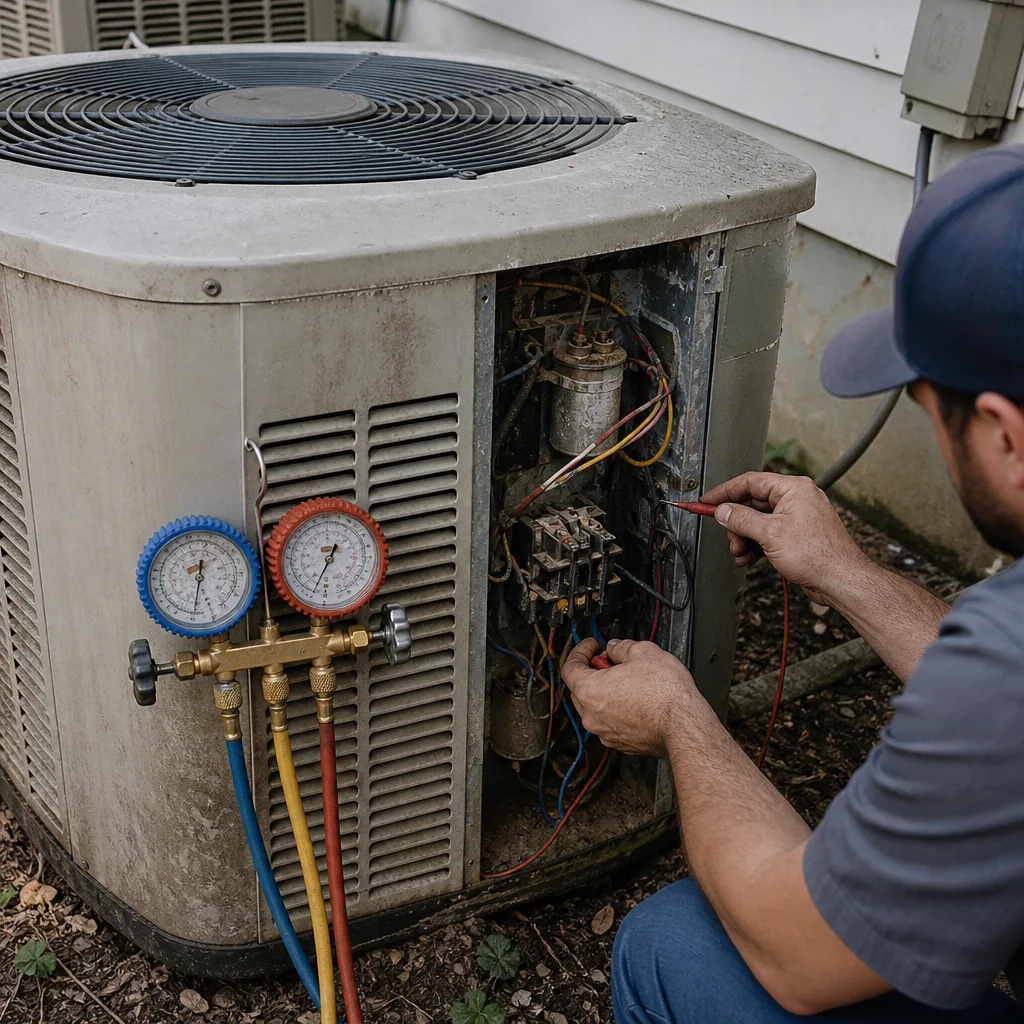 Before
 After
After Before
 After
After