
Last updated October 16, 2026
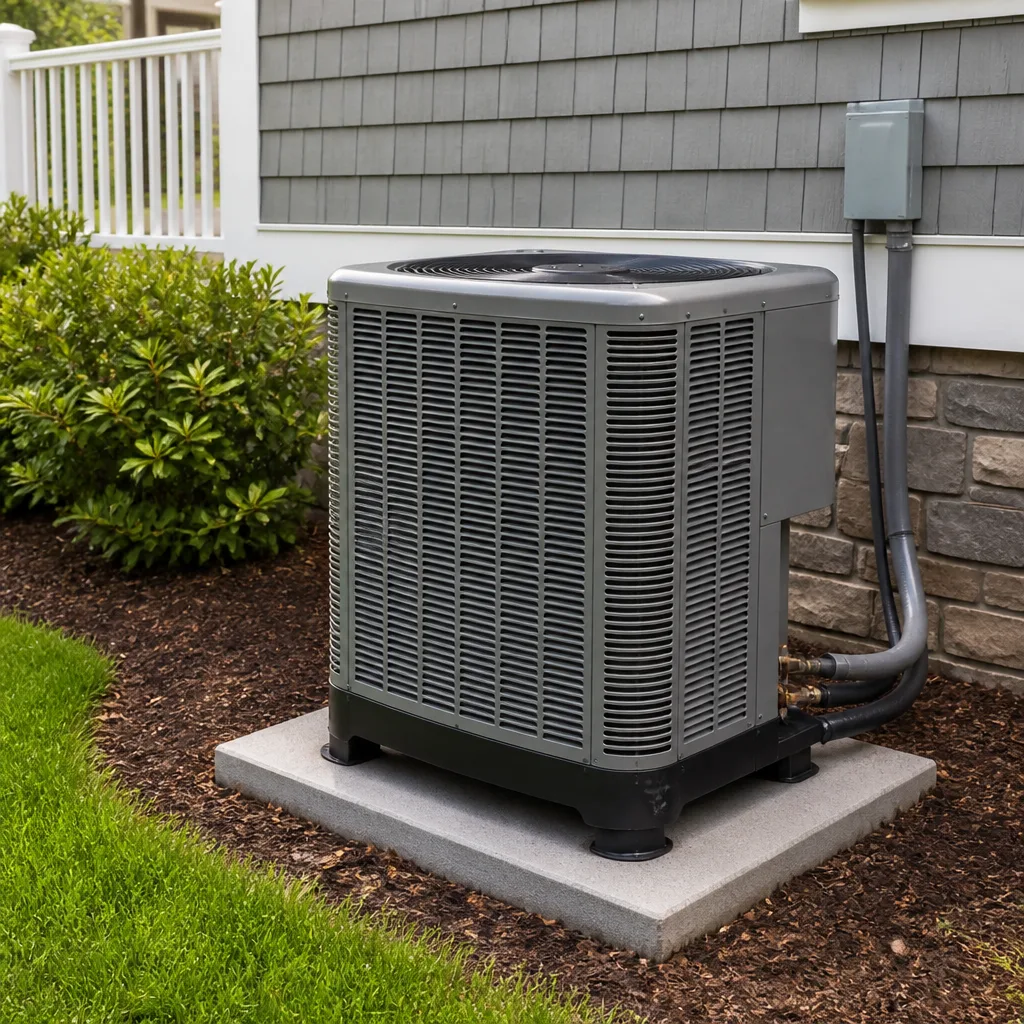 AC repair
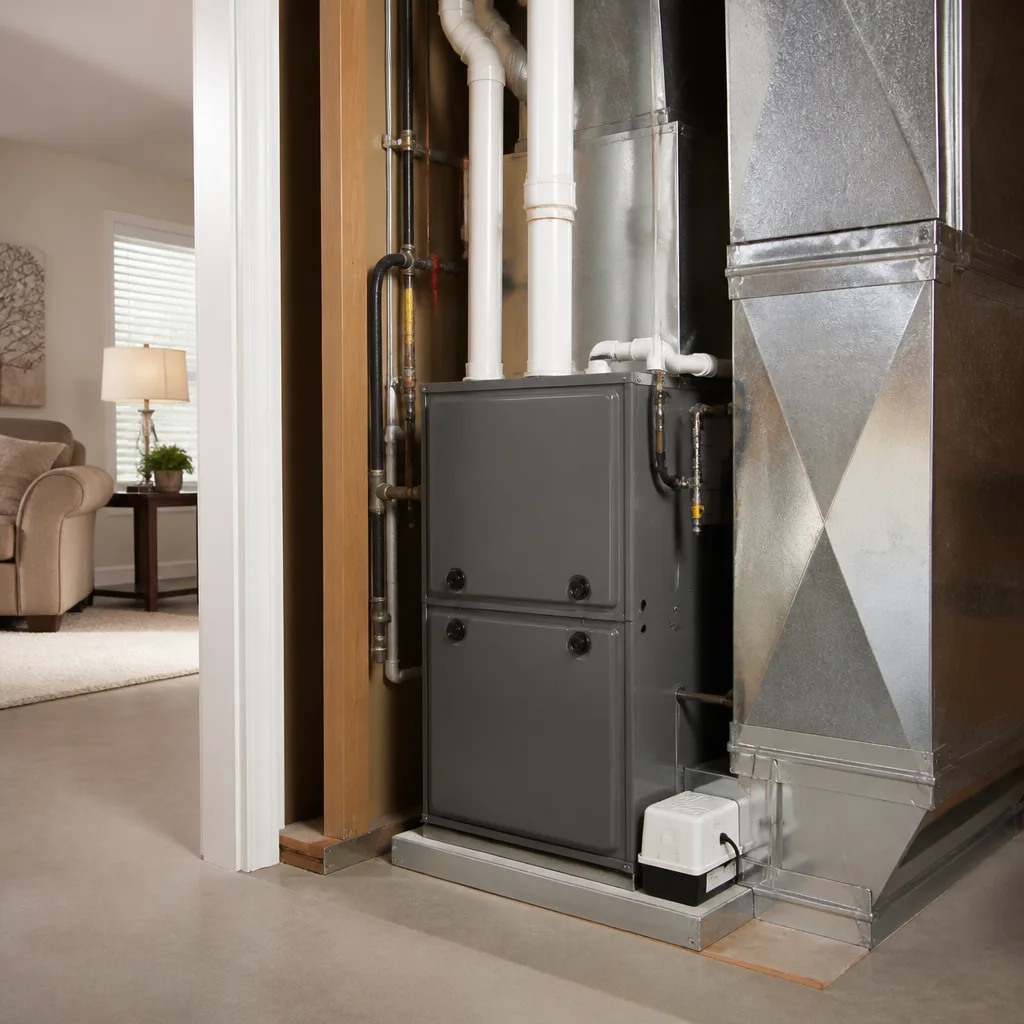 Furnace & heating
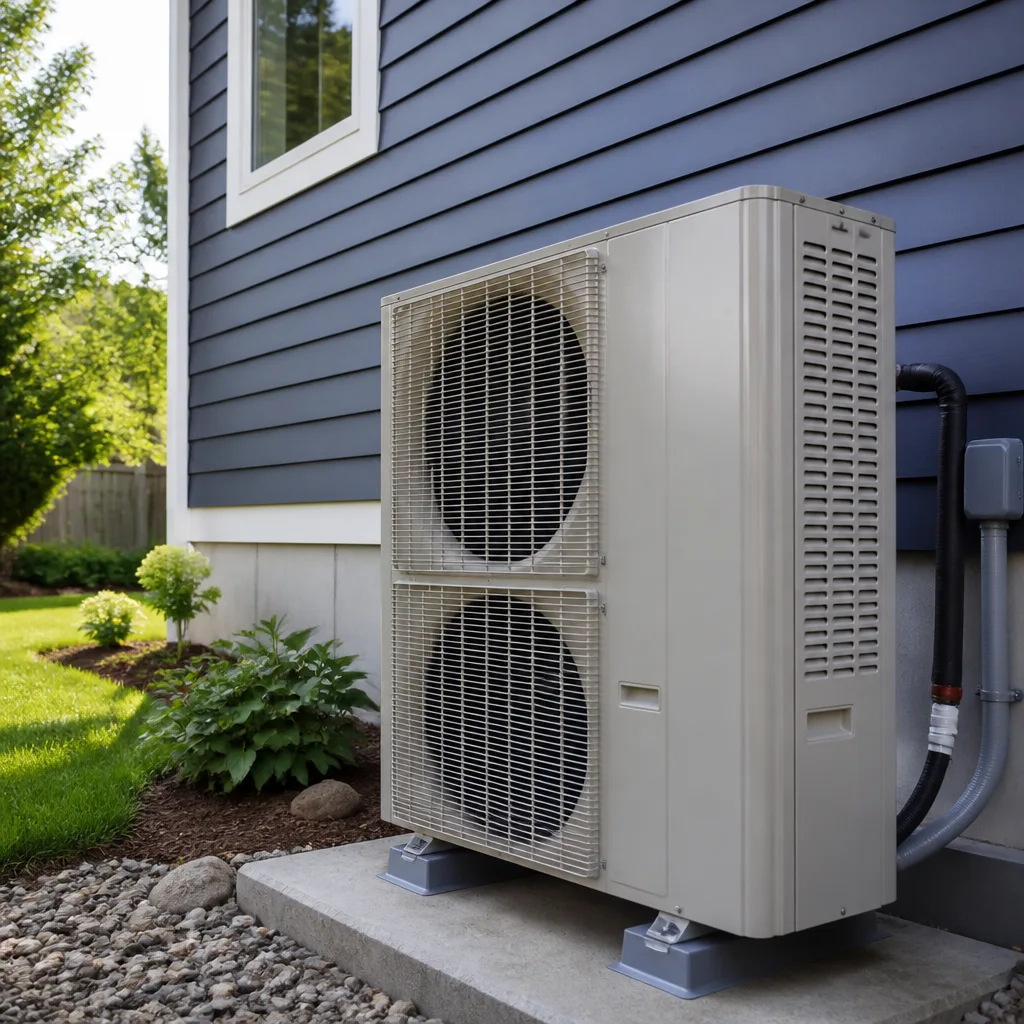 Heat pumps
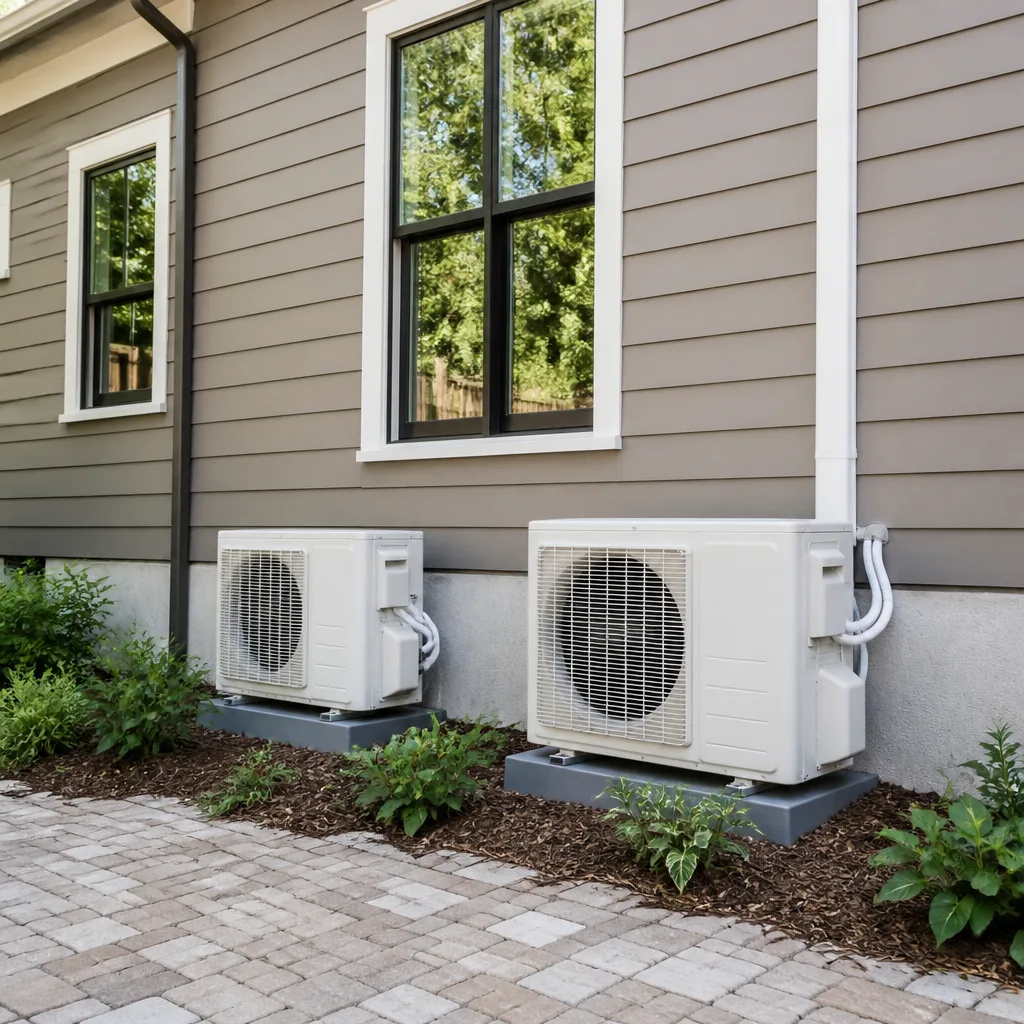 Ductless mini splits
 Carrier
 Trane
Trane Goodman
Seasonal tune-up and full diagnostic on your Carrier, Trane, or Goodman system - readings shown to you before any repair is proposed
Diagnosis first, numbers second - you approve the repair price before a single part goes in.
Get your free estimateDIY vs Professional HVAC: The Marietta Homeowner’s Decision Guide
Replacing a capacitor yourself can save $150 and is completely legal in Georgia. Touching refrigerant without an EPA 608 certification is a federal violation that can result in a $44,539 fine. Most DIY guides blur that line, treating “HVAC repair” as one category. It isn’t. This guide draws the legal boundary clearly, walks through the five DIY tasks worth attempting in Marietta, and names the four jobs where our technicians regularly clean up $1,500 messes that started as a $40 part and a YouTube video.
Styles & brands we work with
Quick Answer
For most Marietta homeowners, the right split is simple: do the maintenance and light electrical swaps yourself if you own a multimeter and follow Georgia code, but call a licensed professional for anything involving refrigerant, gas lines, electrical disconnects at the panel, or compressor work. The line that matters most is legal exposure, not just repair quality. One refrigerant mistake can cost more in fines than a complete system replacement.
Table of Contents
- The Legal Line: What Georgia Actually Allows You to Touch
- Five DIY Tasks Worth Doing in Marietta
- Four DIY Attempts That Usually Cost More Than the Original Repair
- What Marietta’s Climate Does to HVAC Systems (and Your Maintenance Schedule)
- The Tool Test: Do You Actually Own What These Jobs Require?
- Why ‘I Watched a YouTube Video’ Won’t Help With an Insurance Claim
- How to Verify a Professional’s Work Before You Sign Anything
- The Honest Cost Comparison: DIY vs Professional in Marietta
- Common Mistakes to Avoid
- When to Call a Professional
- Frequently Asked Questions
- The Bottom Line
The Legal Line: What Georgia Actually Allows You to Touch
Georgia law draws a specific line between what a homeowner can legally do to their own HVAC system and what requires a state-licensed contractor. The rule is not about skill. It is about regulated substances and regulated trades. You can be the most capable person in Cobb County and still commit a federal violation by connecting a manifold gauge set to a refrigerant line without the right certification.
Here is the line, stated plainly:
- Legal for Georgia homeowners to do themselves: replace air filters, clean condenser coils, replace capacitors, replace contactors, replace thermostats, clear condensate drain lines, replace fuses, tighten electrical connections (with power off), lubricate fan motors where accessible, and replace fan blades.
- Requires an EPA 608 certification, period: adding, removing, or recovering refrigerant, brazing refrigerant lines, replacing a refrigerant component like a TXV or reversing valve, or even connecting gauges to a system that contains refrigerant if the system is not your own. The EPA treats refrigerant handling as a federal matter, and the current maximum civil penalty is $44,539 per violation per day.
- Requires a Georgia licensed contractor: any gas line work, furnace heat exchanger replacement, any repair involving combustion safety, and – in most municipalities including Marietta – any work that requires a permit. Marietta enforces its mechanical permitting through the city’s development services department, and unpermitted mechanical work can result in a stop-work order and fines.
Natural gas is the other hard line. Furnace work that involves the gas valve, burners, manifold pressure, or anything downstream of the shutoff is not a homeowner task in any responsible reading of Georgia law. What we handle as Furnace Repair in Marietta often involves checking combustion air, gas pressure, and carbon monoxide output, none of which a homeowner can measure without instruments that cost more than the service call.
Five DIY Tasks Worth Doing in Marietta
We are not going to tell you to call a professional for everything. That would be dishonest. Some jobs have a high success rate for a careful homeowner who owns basic tools and reads the kill-switch warning on the side of the unit. Here are five, in order of difficulty.
- Replacing the air filter (quarterly in Marietta). Marietta’s pollen season runs from late February through May, and the yellow film on your car is also settling into your return duct. A MERV 8 or MERV 11 filter is fine for most systems. Tools required: none. Cost: $8 to $25. A dirty filter causes frozen coils, reduced airflow, and higher utility bills, and it is the single most common cause of avoidable AC Repair in Marietta calls we see every spring.
- Clearing a clogged condensate drain line. If your air handler has a dripping pan or the system shuts off because of a float switch, the fix is often a cup of white vinegar, a wet-dry vac on the outside drain line, and five minutes. Tools required: wet-dry vac, vinegar. Cost: under $15. This is the best return-on-effort DIY task that exists in cooling maintenance.
- Replacing a capacitor. This is the most common “real” electrical repair that homeowners complete successfully. The capacitor looks like a small cylinder, usually silver or gray, mounted near the compressor or fan motor. Symptoms of a failed one: the outdoor unit hums but the fan doesn’t spin, or the system won’t start and you hear a click. Tools required: multimeter (to confirm failure), screwdriver, needle-nose pliers. Cost: $15 to $45 for the part. Critical rule: pull the outdoor disconnect and test with a multimeter that no voltage is present before touching anything. Capacitors hold a charge even with power off, so discharge across the terminals with an insulated screwdriver before handling.
- Cleaning condenser coils. In Marietta’s humidity, outdoor coils collect cottonwood fuzz in early summer and grass clippings all mowing season. Spraying the coil from the outside with a garden hose, after killing power at the disconnect, removes enough of that buildup to restore efficiency. Tools required: garden hose with a spray nozzle. Cost: $0 if you own a hose. Do not use a pressure washer – the fins bend easily and a bent coil costs more to replace than any dirt you were trying to remove.
- Replacing a thermostat. Most modern thermostats are four-wire or five-wire installs with clear labels. If you can match the labels (R, C, G, Y, W) and kill power at the air handler, you can complete this job in under an hour. Tools required: screwdriver, level, possibly a drill for drywall anchors. Cost: $40 to $250 depending on the thermostat. One word of warning: if you have a heat pump, read the manufacturer’s guidance on reversing valve wiring (O vs B terminal) or you will get heat when you want cool air.
Notice what is absent from that list: anything involving refrigerant, gas, or the compressor. That is not an accident. Those are the boundaries of legal and safe DIY HVAC work in Georgia.
Four DIY Attempts That Usually Cost More Than the Original Repair
We have a saying around the shop: the cheapest part of a repair is usually the part. The expensive part is everything that breaks after the wrong person installs it. Here are the four jobs we most commonly fix after a DIY attempt made things worse. These are not rare. In our experience, roughly one out of every five repair calls in Marietta includes at least one component that was either installed incorrectly by the homeowner or damaged during the attempt.
- Refrigerant “top-offs” using store-bought cans. Auto-parts store refrigerant is not the same as residential R-410A or R-454B. Mixing refrigerants destroys the compressor’s lubricant and voids the compressor warranty on every major brand, including Goodman and Rheem systems that otherwise carry 10-year parts coverage. We have replaced compressors in Marietta that failed six weeks after a homeowner topped off the charge with an automotive product. A proper AC Maintenance in Marietta visit catches low charge before it becomes a $2,800 failure.
- Condensate line modifications that flood the air handler. Re-routing a drain line into a bucket or adding an ill-fitting PVC joint creates backpressure. Then the pan overflows. Then water drips through the ceiling of the room below the air handler. The water damage claim alone can exceed the cost of the original drain cleaning by a factor of ten. And here is the part most guides skip: if the work was unpermitted and caused the damage, your insurer may deny the claim.
- Electrical “fixes” at the contactor or board without a multimeter. A contactor is a simple switch. But guessing that a contactor is the problem, replacing it, and then discovering the real issue was a low-voltage short in the thermostat wire means you spent $40 and still have no cooling. Worse: we have seen homeowners replace a fused disconnect with an unfused one, creating a direct path for a short that melted the wire run through the attic.
- Compressor or reversing valve “repairs” from online guides. This is where the EPA 608 line gets crossed. Any guide that tells you to recover refrigerant with a homemade setup or by venting it to the atmosphere is instructing you to commit a federal violation. The fine for venting refrigerant can hit $44,539 per day. The repair itself requires brazing, evacuation, and a proper charge, which requires several thousand dollars of equipment and training. This is not a DIY job, ever.
What Marietta’s Climate Does to HVAC Systems (and Your Maintenance Schedule)
Marietta sits at the intersection of two punishing HVAC environments: a humid subtropical summer and a winter that dips below freezing often enough to test every heat pump’s defrost cycle. The result is that systems here run more hours per year than systems in drier or milder climates, and that accelerated runtime turns small inefficiencies into noticeable failures faster.
Here is what that means for the DIY-vs-professional decision. In a mild climate, a dirty condenser coil might cost you $4 a month in efficiency. In Marietta, where the cooling season runs from April through October and humidity drives latent load, that same dirty coil can raise a July power bill by $30 or more. The faster a system degrades, the more often it needs attention, and the more important it becomes to distinguish between the jobs you can do safely and the jobs that compound into larger failures.
The humidity part matters in another way. Marietta’s summer dew points regularly sit in the low 70s. That means your system is doing a great deal of latent heat removal, not just temperature control. An oversized system or one with a dirty evaporator coil cools the air quickly but doesn’t remove enough moisture, leaving the house clammy at 72 degrees. We see this most often in older East Cobb neighborhoods where homes were built with systems sized by rule of thumb rather than a proper Manual J load calculation. Homeowners compensate by setting the thermostat lower, which doesn’t solve humidity and does raise the bill.
A practical maintenance calendar for Marietta looks like this: filter every 90 days (more often if you have pets or live near active construction), coil inspection every spring before cooling season starts, condensate drain check every June when humidity peaks, and heat pump defrost verification every November before the first hard freeze. Three of those four items are DIY-appropriate. The fourth, the defrost cycle check, requires understanding refrigerant pressures and is best left to a Brandt HVAC Co Marietta home technician who has the gauges and the training to confirm the reversing valve is doing its job.
The Tool Test: Do You Actually Own What These Jobs Require?
Most DIY HVAC failures are not skill failures. They are tool failures. A homeowner who owns a multimeter, a wet-dry vac, and basic hand tools can handle the five tasks listed above. A homeowner who owns a screwdriver and a smartphone is missing the one tool that makes the difference between fixing and diagnosing.
Here is the honest tool audit:
- Multimeter (required for any electrical work). If you don’t own one and haven’t used one to test for live voltage, the day you first use it should not be the day you’re reaching into a 240-volt condenser cabinet. A basic digital multimeter costs $25 to $60 at any hardware store in Marietta. Watching a video on how to test a capacitor, then testing your own capacitor, is the difference between a successful repair and a $400 burned-out blower motor.
- Wet-dry vac (required for drain line work). This is the tool that actually pulls the clog out rather than pushing it deeper. A small 5-gallon unit is $50 to $90. If you don’t own one, you can skip the drain-line DIY and call a professional, because pouring chemicals down the line is the worst of all options, it corrodes the PVC and rarely clears the blockage.
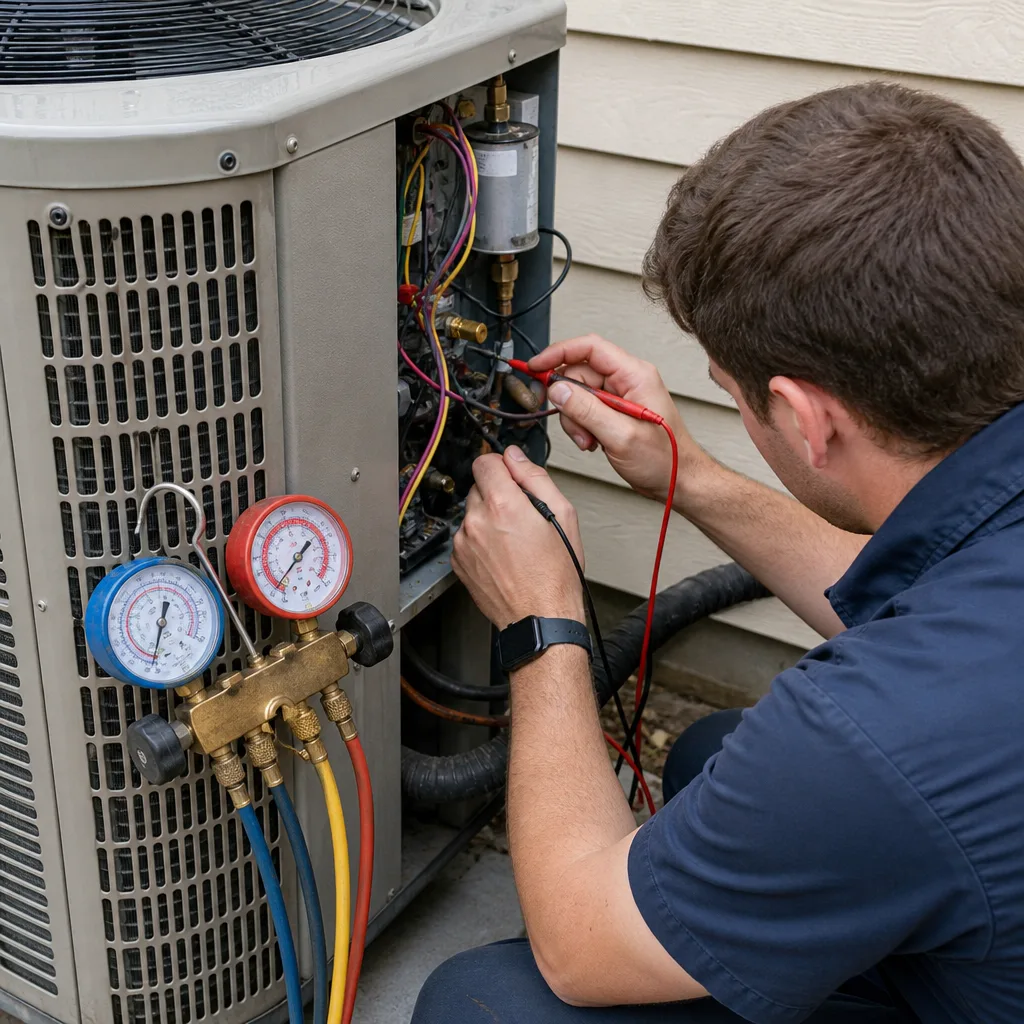
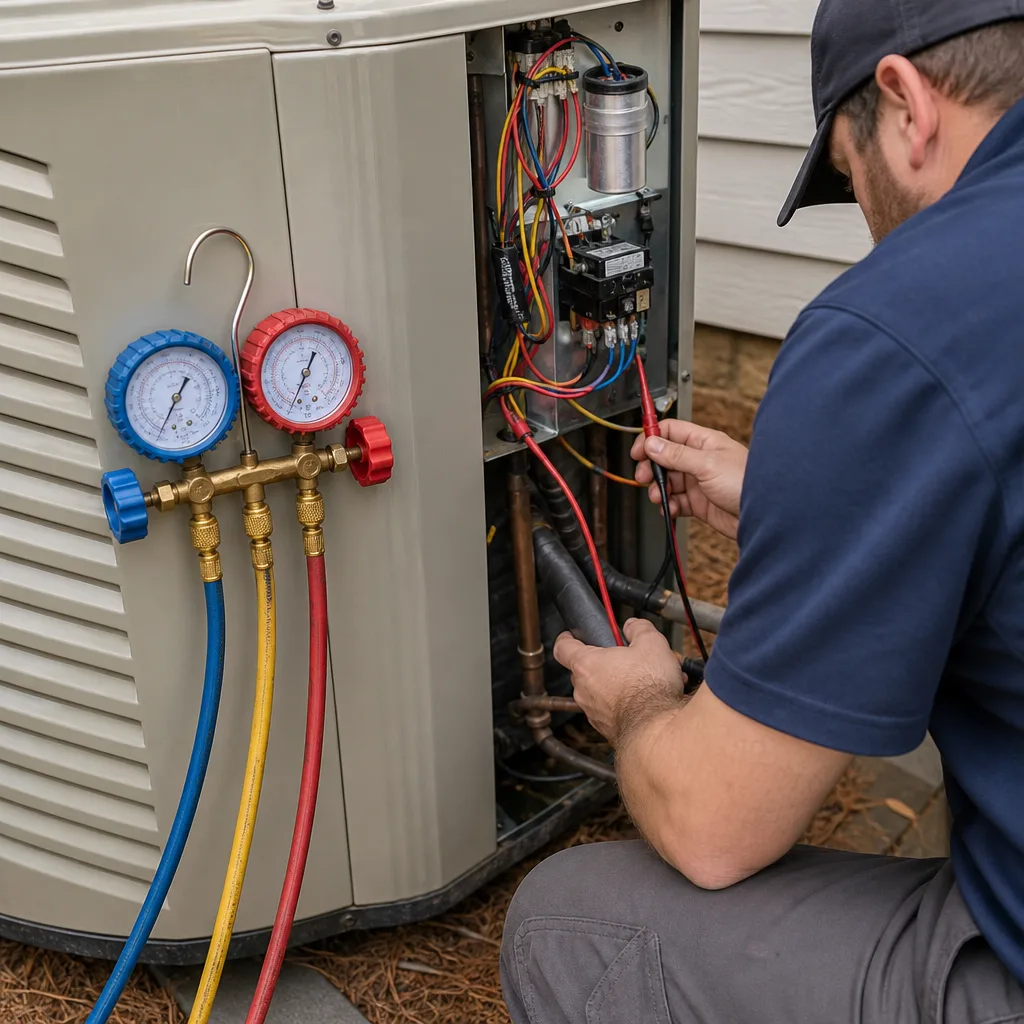
- Gauges and recovery equipment (off-limits without certification). This is the tool set that separates the legal technician from the illegal amateur. A proper manifold gauge set, recovery machine, vacuum pump, and nitrogen regulator costs $1,500 to $3,000 used. Owning them does not make it legal to use them. The EPA 608 certification is the license, not the equipment.
- Torque screwdriver and fin comb (nice to have). A fin comb restores bent condenser fins after hail or a stray football. It costs $12. A torque screwdriver prevents overtightening electrical connections at the contactor, which is a common cause of pitted contacts and burned wires. It costs $40 to $80.
The tool test should be your honest gatekeeper. No tool, no job. In our experience, the Marietta homeowners who succeed at DIY HVAC work are the ones who buy the multimeter before they open the panel. The ones who fail are the ones who think a smartphone flashlight and a can-do attitude substitute for a voltage reading.
Why ‘I Watched a YouTube Video’ Won’t Help With an Insurance Claim
Here is the part of the DIY conversation that almost no one talks about, and it’s the reason we wrote this guide. In Georgia, if an unpermitted or unlicensed repair causes damage to your home, your homeowners insurance carrier has grounds to deny the claim. Not delay it. Deny it.
Read your policy’s exclusions section. Most standard HO-3 policies in Cobb County contain language excluding damage caused by “faulty workmanship” or “improper repair” unless the work was performed by a licensed contractor. The legal theory is straightforward: the insurer priced your premium on the assumption that regulated work would be done by regulated professionals. When you step into that role without the license or permit, you change the risk profile, and the insurer is not obligated to cover the result.
We have watched this play out in Marietta. A homeowner in the Whitlock Avenue corridor replaced a water heater himself, but we can cite similar HVAC examples: a DIY refrigerant leak repair that vented R-410A and then failed, taking out the compressor; a thermostat wiring mistake that shorted the low-voltage transformer and started an attic fire. In each case, the insurance adjuster asked one question: who did the work? When the answer was “the homeowner” and there was no permit, the claim moved from covered to denied.
“I watched a YouTube video” is not a defense. It is an admission. It confirms to the adjuster that you performed the work with no formal training and no inspection. That sentence has cost Georgia homeowners tens of thousands of dollars in unreimbursed damage. The $150 you saved on the capacitor replacement looks different when a related failure burns a hole in your attic and the insurer points to the exclusion clause.
This is the legal exposure framework we mentioned at the top. DIY HVAC is not just about whether you can do the job. It is about whether you can absorb the tail risk if the job goes wrong. For the five maintenance tasks above, the risk is minimal and manageable. For anything involving gas, refrigerant, or structural modification, the risk includes denied insurance claims, federal fines, and complete loss of the system’s warranty coverage.
How to Verify a Professional’s Work Before You Sign Anything
This section is for the other side of the coin. If you hire a professional, you should verify their work with the same rigor you would apply to your own. Here, in order, is how to check a completed HVAC repair or installation in Marietta before you sign the invoice or pay the final balance, including what to look for in How to Hire a HVAC Contractor in Marietta: A Step-by-Step Guide.
- Ask for the written price before work starts, and confirm the final invoice matches it. A legitimate HVAC company in Georgia writes the price down and hands you a copy before turning a single screw. If the technician cannot show you a written price, do not approve the work. This is the standard we follow on every job at Brandt HVAC Co Marietta, and it is the standard you should demand from anyone else.
- Verify the person at your door is the person you agreed to. You should know the technician’s name before they arrive, and they should show photo ID at the door. If the company cannot tell you who is coming, that is a red flag. The whole point of hiring a professional is certainty.
- For AC repairs: confirm the temperature drop. Measure the air temperature at the return vent and at the supply vent closest to the air handler. The difference, called delta T, should be 15 to 22 degrees Fahrenheit on a properly operating system in Marietta’s summer conditions. If the technician’s repair cannot produce at least a 15-degree drop, the job is not done.
- For furnace repairs: confirm combustion safety. A professional should check gas pressure, verify the flame is blue and stable, and test for carbon monoxide. If they don’t, ask why not. Any Furnace Repair in Marietta that doesn’t include a CO check is incomplete.
- Request the written guarantee. So every repair includes a written statement that covers what was done and for how long. If the repair fails within that period, the return visit should be free. No exceptions, no argument. If a contractor refuses to put the guarantee in writing, treat that as if there is no guarantee at all.
- Confirm the permit if one was pulled. In Marietta, equipment replacements typically require a mechanical permit. The contractor should handle that, and you should receive a permit number. If they dodge the question, they may not have pulled it, and your insurance questions from the previous section hit a wall.
We built our entire operation around making this verification easy. Every technician at Brandt HVAC Co Marietta arrives with a name you already know, a photo ID you can check, and a written price you approved before the work began. That is not marketing language. That is the baseline of what a professional service should be.
The Honest Cost Comparison: DIY vs Professional in Marietta
Here are real numbers for the Marietta market, based on what we charge and what we see other companies charge in Cobb County. These are not national averages or internet estimates. They are what a homeowner in Marietta should expect to pay, for parts and labor combined.
- Capacitor replacement: DIY $15 – $45 for the part. Professional $185 – $325. This is the strongest DIY value proposition in HVAC, and it’s legal in Georgia.
- Condensate drain clearing: DIY $0 – $15 for vinegar plus a wet-dry vac. Professional $125 – $225. If you own the vac, clear the line yourself. If you don’t, it’s a wash.
- Thermostat replacement: DIY $40 – $250. Professional $275 – $450 including the thermostat. DIY is reasonable here if you are comfortable with low-voltage wiring.
- Contactor replacement: DIY $20 – $60. Professional $150 – $300. A DIY contactor is feasible, but be certain the contactor is the actual problem before you replace it.
- Refrigerant leak repair and recharge: not legal as DIY. Professional $450 – $1,800 depending on the leak location and required charge. There is no DIY version of this, because there is no legal DIY version.
- Compressor replacement: not legal as DIY. Professional $2,200 – $4,000 on a residential system in Marietta. The warranty on a Goodman or Rheem compressor only applies if a licensed contractor installed it properly.
- Full system replacement: not DIY. Professional $7,500 – $14,000 in Cobb County depending on size, SEER2 rating, and ductwork condition. Financing and rebates apply, and the contractor handles the paperwork.
The pattern is clear. The DIY-legal jobs are the cheap ones. The professional-only jobs are the expensive ones. If you are trying to save the most money with DIY, you are saving on the wrong end of the pricing spectrum. The $200 you save replacing a capacitor is real. But the $3,000 you lose replacing a compressor after a botched DIY attempt erases ten years of capacitor savings.
Common Mistakes to Avoid
- Crossing the refrigerant line because “the can is at the store.” Auto-parts store refrigerant is chemically different from residential system refrigerant. Mixing them destroys your compressor and voids the warranty on every major brand. The store selling it to you does not make it legal to use.
- Skipping the permit on a DIY modification. In Marietta, any work that alters your mechanical system, including adding a return or moving a supply, requires a permit. If you sell the house later, an unpermitted modification becomes a disclosure problem and a negotiating chip for the buyer.
- Replacing parts without diagnosing. Changing a capacitor because the fan won’t spin, when the actual problem is a failed fan motor, wastes $40 and leaves you with no cooling. Diagnose with a multimeter first, then replace.
- Ignoring the condensate float switch. If your system has a float switch and it keeps tripping, clearing the line is only half the job. The other half is finding why the line keeps clogging. In Marietta’s humid summers, a clogged line that keeps re-clogging usually means algae growth, and the real fix is a proper line cleaning and possibly a treatment tablet.
- Trusting any contractor who won’t put the price in writing. A verbal quote is not a quote. In Georgia, a written price protects you before the work starts and becomes the reference point if the final invoice balloons. No written price, no work, ever, from anyone.
- Using a pressure washer on condenser coils. The fins on a residential condenser coil are thin aluminum that folds like tinfoil under pressure. Once bent, airflow drops, efficiency falls, and the repair costs more than the coil cleaning you were trying to save.
- Venting refrigerant to the atmosphere because you “didn’t know.” The EPA does not accept ignorance as a defense. The maximum civil penalty is $44,539 per violation per day. If you think your system is leaking, call a licensed technician.
When to Call a Professional
Call a professional if you see any of these signs: the system is blowing warm air in summer or cold air in winter, you smell gas, you hear grinding or screeching from the outdoor unit, the breaker trips more than once, there is ice on the indoor coil or the outdoor lines, or your energy bill spiked without a weather change. Each of those symptoms points to a problem that either requires refrigerant handling, electrical diagnosis, or gas-line work, none of which are legal or safe DIY territory. If you are not sure which category your issue falls into, that uncertainty itself is the answer: call. Brandt HVAC Co Marietta offers free estimates in Marietta, and you can reach a live person 24 hours a day at (478) 662-5175. The person who answers can tell you, from your symptoms, whether the job is a safe DIY task or a professional call. No charge for the answer.
Frequently Asked Questions
Yes. Replacing a capacitor is legal for a Georgia homeowner on their own system, as long as the work does not involve refrigerant. Expect to pay $15 to $45 for the part, and always test for live voltage with a multimeter before touching anything. This is the single most common successful DIY HVAC repair we see in Marietta.
Handling refrigerant without an EPA 608 certification is a federal violation, not a state one. The current maximum civil penalty is $44,539 per violation per day. The EPA enforces this against homeowners as well as contractors. If you suspect a refrigerant leak, call (478) 662-5175 and we’ll diagnose it legally.
In most Georgia HO-3 policies, no. Standard exclusions deny coverage for damage caused by faulty workmanship or improper repair unless the work was performed by a licensed contractor. If the adjuster asks who did the work and the answer is you, with no permit, the claim can be denied outright.
The safe DIY list is short: air filter replacement, condensate drain clearing, capacitor replacement, condenser coil cleaning, and thermostat replacement. Everything beyond that list requires either a multimeter you may not own, a certification you definitely do not hold, or a permit you are not set up to pull.
Most residential AC repairs in Marietta run between $150 and $600, with capacitor and contactor replacements on the low end and refrigerant leak repairs on the high end. Refrigerant-related repairs run $450 to $1,800. Call (478) 662-5175 for a written quote before any work begins.
The standard formula is: multiply the repair cost by the age of the system. If the result exceeds $5,000, replacement is usually the better call. A 12-year-old system with a $600 repair scores 7,200, which points toward replacement. But every system is different, and a proper answer requires seeing the equipment. Call (478) 662-5175 and we’ll give you an honest read.
The Bottom Line
DIY HVAC in Marietta is not a yes-or-no question. It is a legal boundary question. On one side are five maintenance tasks worth doing yourself, worth mastering, and worth saving $150 to $300 a year on. On the other side is everything involving refrigerant, gas, the compressor, or a permit, and that side is not negotiable. The homeowner who respects the line gets the savings and avoids the fines, the denied claims, and the thousand-dollar secondary damage. The homeowner who ignores the line becomes a cautionary tale. We would rather you be the first kind. For more guides & resources, explore our blog, and when you do need a professional, you know how to reach us: (478) 662-5175, answered by a person every time.
Written by Devin Marlowe, Owner at Brandt HVAC Co Marietta, serving Marietta since 2003.
See the difference
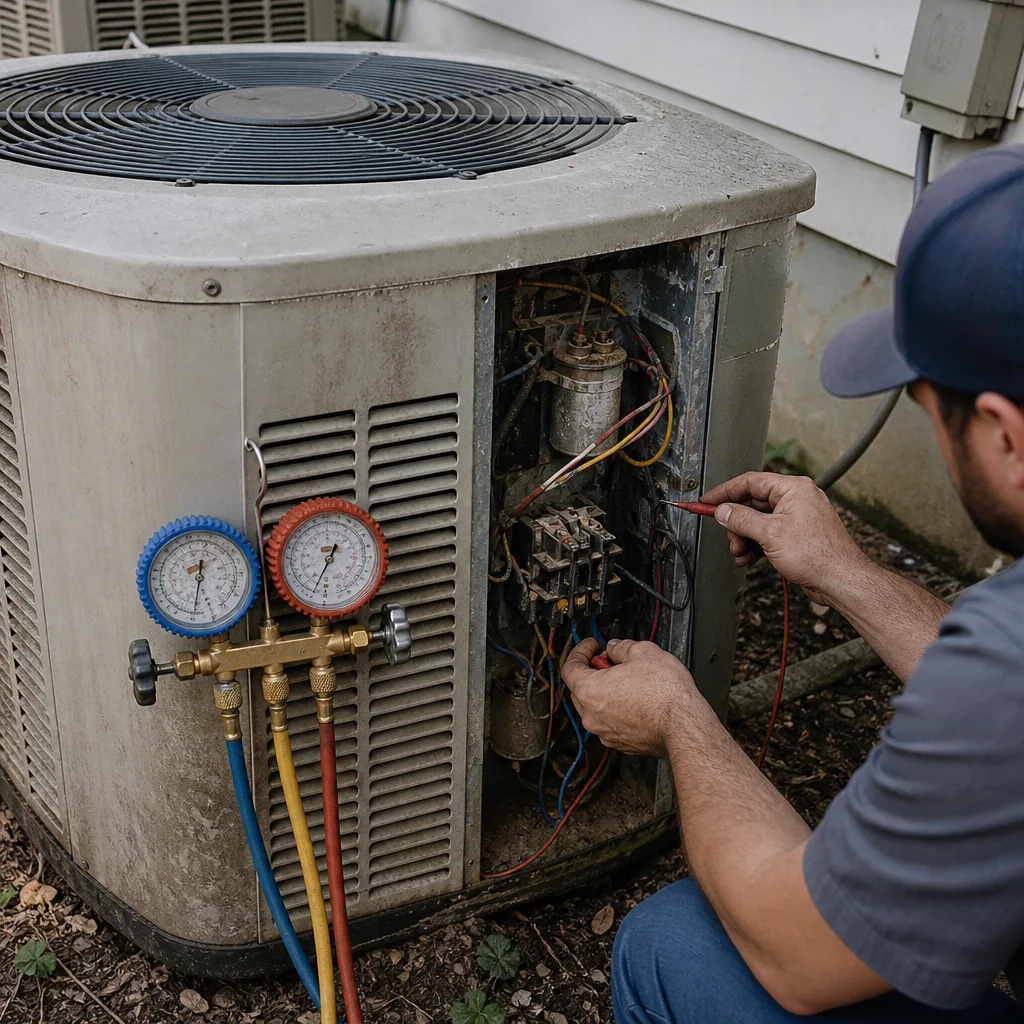 Before
 After
After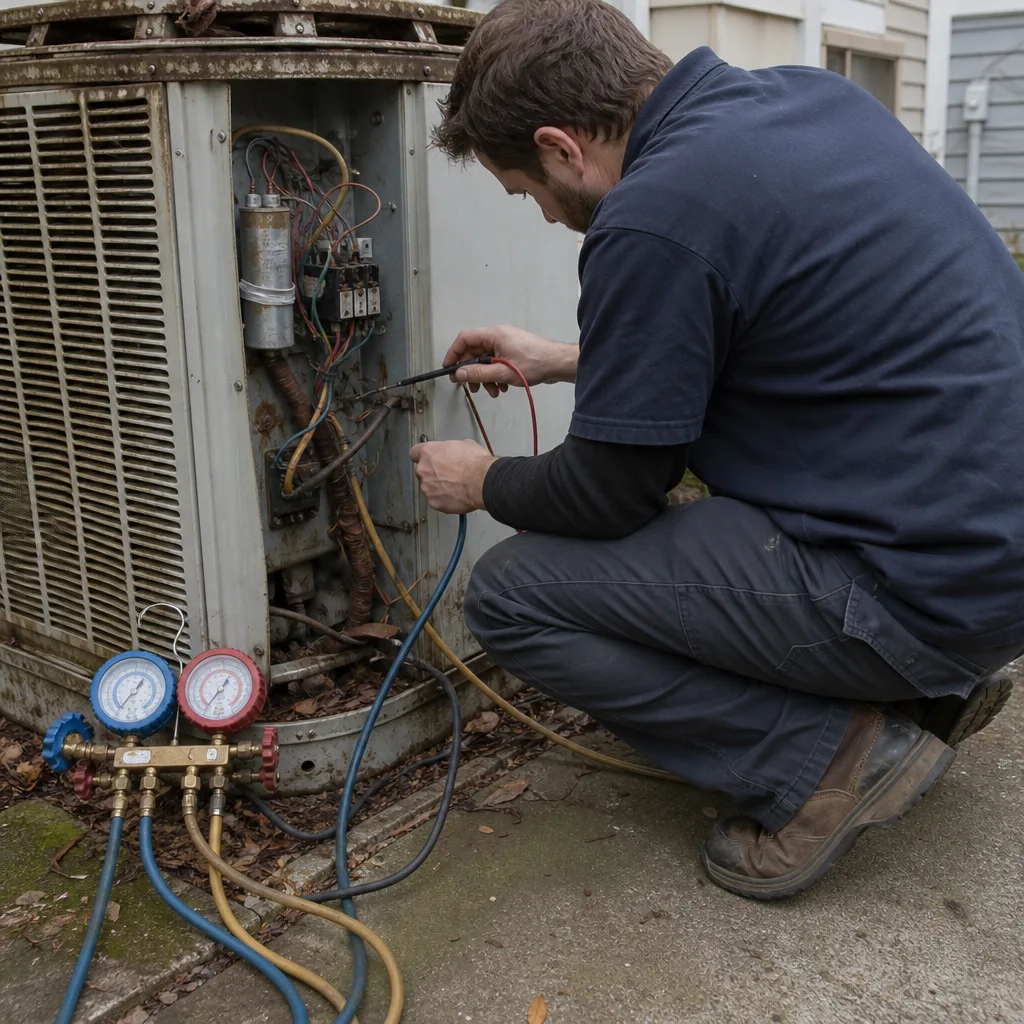 Before
 After
After