
Last updated October 16, 2026
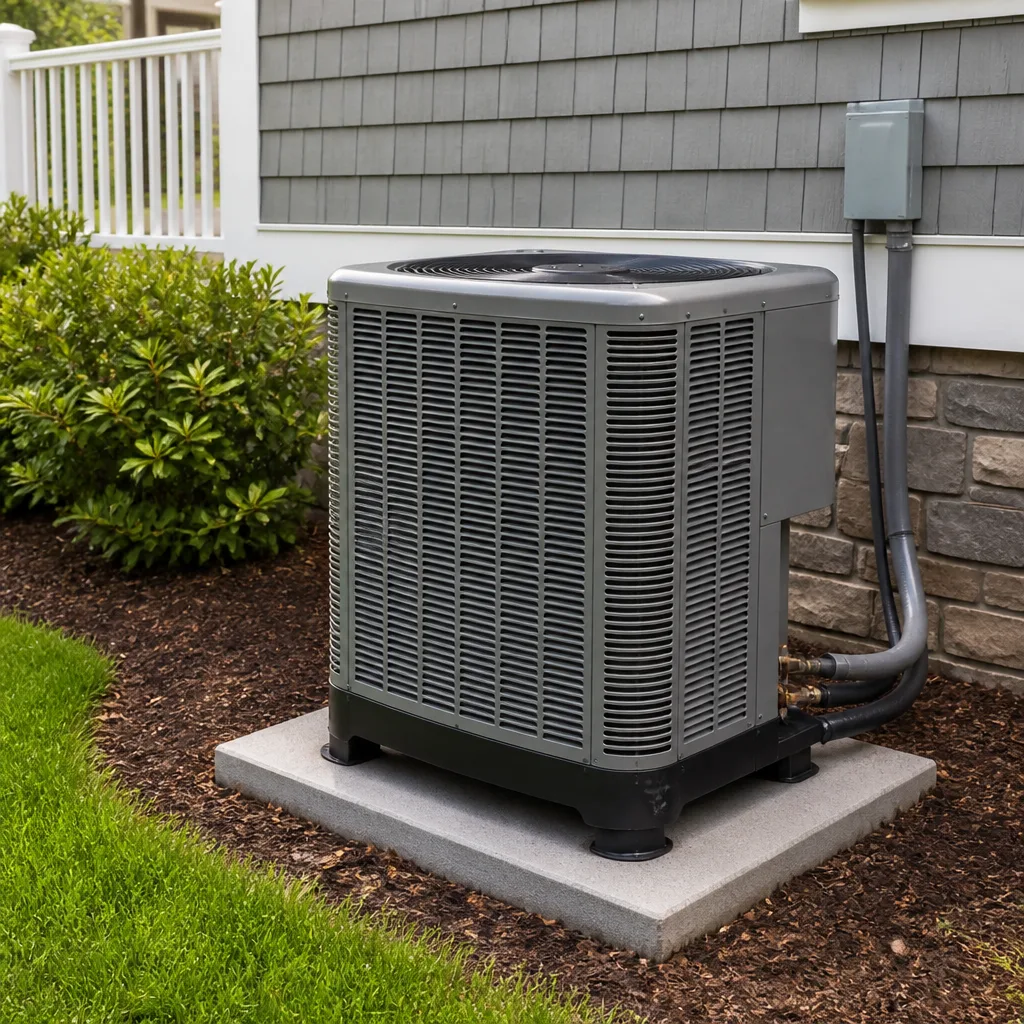 AC repair
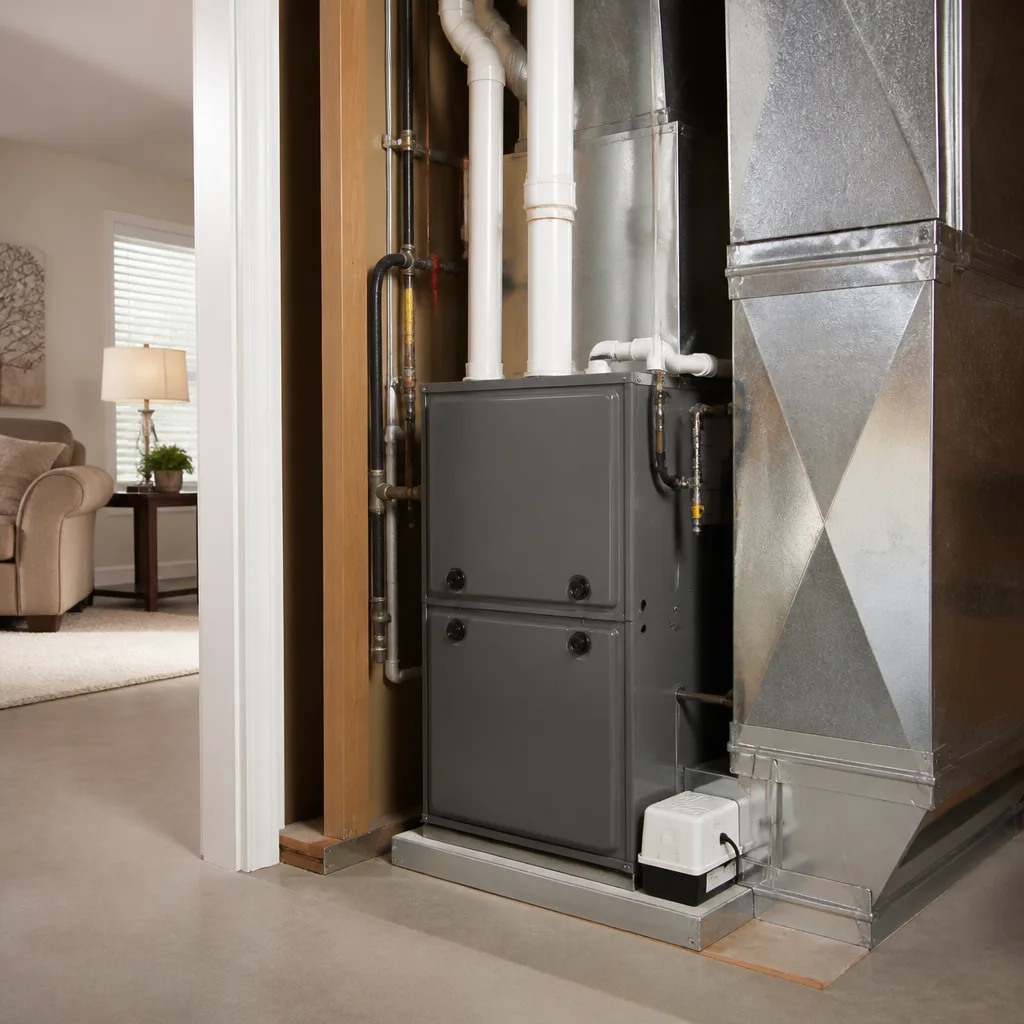 Furnace & heating
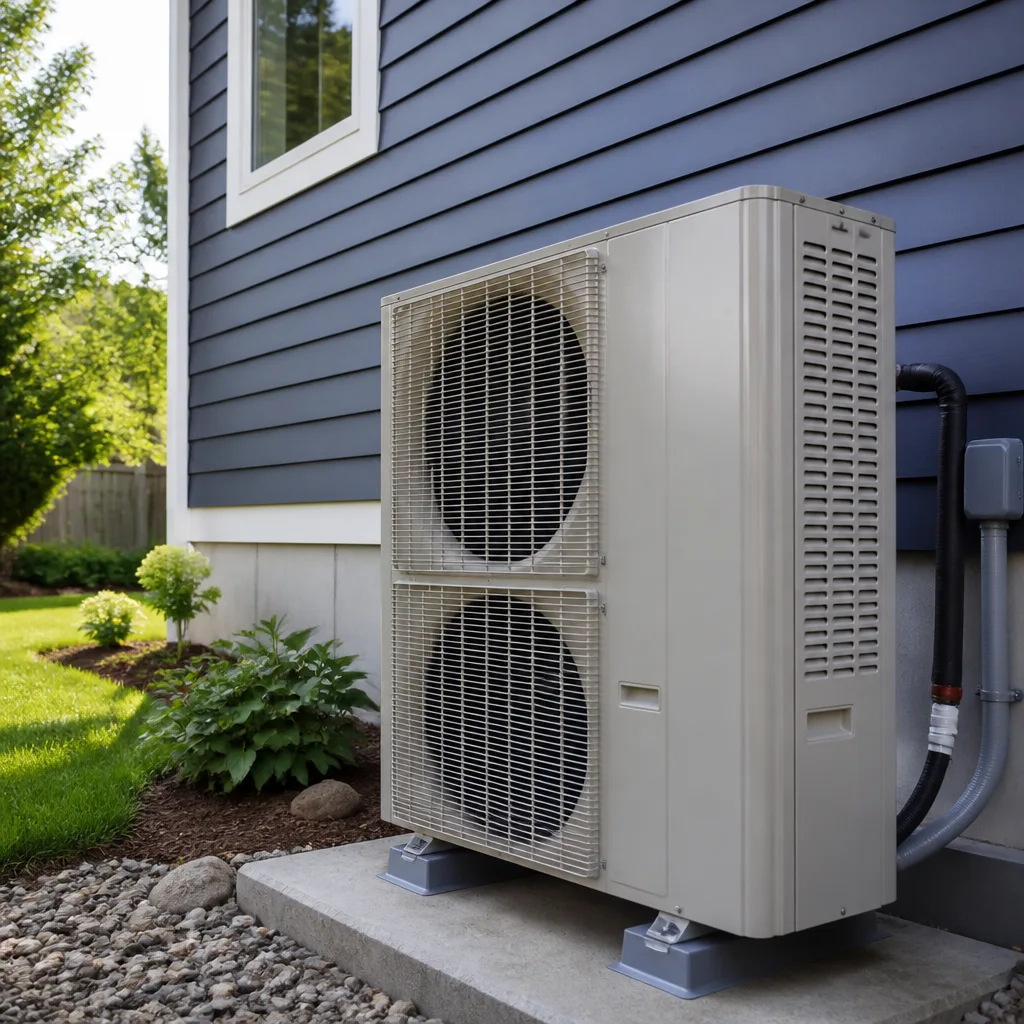 Heat pumps
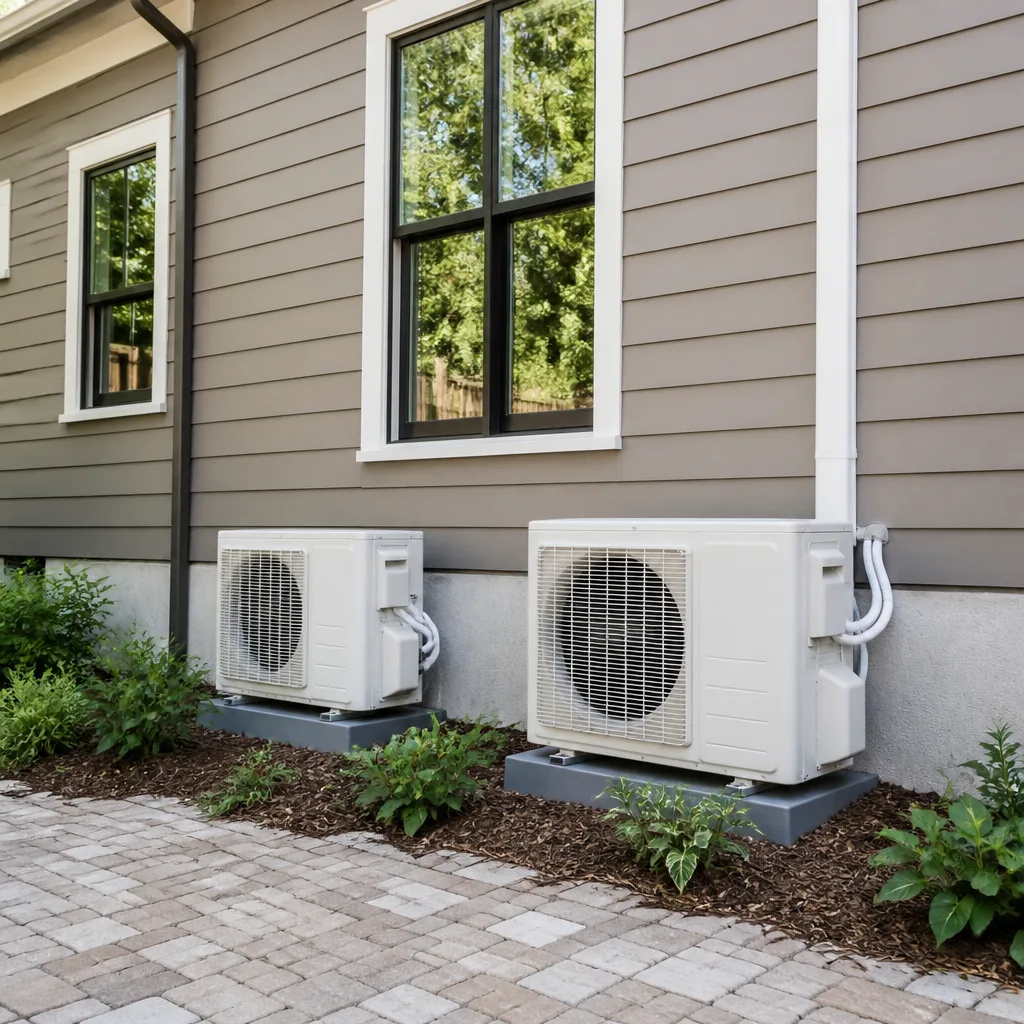 Ductless mini splits
 Carrier
 Trane
Trane Goodman
Seasonal tune-up and full diagnostic on your Carrier, Trane, or Goodman system - readings shown to you before any repair is proposed
Diagnosis first, numbers second - you approve the repair price before a single part goes in.
Get your free estimateHVAC Permits, Codes & Inspections in GA: What You Need to Know
A Cobb County homeowner replaces a central air conditioner without pulling a permit. Two years later, the house goes under contract. The buyer’s home inspector flags the unpermitted installation, the title search turns up no permit record, and the closing stalls while the seller pays double permit fees and opens walls for a retroactive inspection. If the unit had failed and caused a fire before that sale, the homeowner’s insurance carrier could have denied the claim outright. That’s the part nobody tells you until it’s too late.
In Marietta, where homes range from 1960s brick ranches near the Square to newer construction in East Cobb, our technicians walk through permit questions nearly every week. This guide explains Georgia’s HVAC permit rules in plain language, alongside our more guides & resources: when a permit is required under state law, how Cobb County’s inspection process works from start to finish, what happens if you skip it, and who is legally on the hook. We’ll also cover the distinction between mechanical and electrical permits, because that’s the question most homeowners don’t even know to ask.
Quick Answer
In Georgia, replacing an entire HVAC system (furnace, air conditioner, or heat pump) requires a mechanical permit pulled by a state-licensed contractor before work begins. Repairs like replacing a capacitor, contactor, igniter, or thermostat typically do not require a permit because they qualify as maintenance under Georgia code. The permit fee in Cobb County is based on the valuation of the work, and the final inspection must be scheduled by the contractor after installation is complete.
Styles & brands we work with
Table of Contents
- What Georgia State Law Says About HVAC Permits
- The Repair vs. Maintenance Threshold: Where the Line Is
- How Cobb County’s Inspection Process Actually Works
- Mechanical Permit vs. Electrical Permit: Why Some Jobs Need Both
- Who Pulls the Permit: The Contractor’s Obligation vs. Your Liability
- What HVAC Permits Cost in Cobb County
- How to Verify Your Permit Was Closed Out (and Why an Open Permit Haunts You)
- What Happens If You Skip the Permit
What Georgia State Law Says About HVAC Permits
Georgia’s permitting authority flows from the state down to each county and municipality. The state sets the licensing requirements for HVAC contractors through the Georgia Secretary of State’s Construction Industry Licensing Board. Contractors must hold a valid state license to perform HVAC work in Georgia, period. That license is separate from a permit, but the two are linked: only a licensed contractor can legally pull a mechanical permit in the first place.
The state building code, updated on a recurring cycle, adopts the International Mechanical Code and International Residential Code as its baseline. Those codes require a permit for any installation, alteration, or replacement of mechanical systems, including furnaces, air conditioners, heat pumps, ductwork, and exhaust fans. That sounds broad, and it is. But Georgia also carves out an exception for what the code calls “ordinary repairs,” which are defined as non-structural work that does not change the system’s design. More on that in the next section.
For Marietta homeowners, the practical takeaway is this: the state says a permit is required for system replacements and new installations. The county enforces that requirement. The contractor is responsible for knowing the code, and for pulling the permit before work starts. If you’re working with a licensed contractor and they tell you a permit isn’t needed for a full system replacement, you should ask them to point to the specific code section-our HVAC Warning Signs: A Marietta Homeowner’s Reference Guide covers other red flags to watch for.
One more thing worth knowing: Georgia code references the 15th edition of the International Mechanical Code, but some counties adopt amendments. Cobb County is one of them. The county publishes local amendments online through its Development and Inspections division, and those amendments control when there’s a conflict. That’s one reason why a contractor who works all over metro Atlanta still needs to know Cobb’s specific rules, not just the state baseline.
The Repair vs. Maintenance Threshold: Where the Line Is
Here’s the question we hear most often in Marietta: “I’m replacing the outside AC unit but keeping the same furnace and ductwork. Does that need a permit?” The answer is yes. Replacing a condenser or an entire condensing unit is an alteration of the system, not a repair. The state code doesn’t care whether you’re keeping the existing air handler. If a major component is being swapped out, the permit requirement triggers.
What about a refrigerant recharge? That’s maintenance, and it does not require a permit. What about replacing a blower motor? Maintenance, no permit. A capacitor, a contactor, a circuit board, a flame sensor, a gas valve, an igniter, a thermostat? All maintenance, as detailed in our AC Repair Maintenance Checklist for Marietta Homeowners. Those are component-level repairs that restore the system to its original operating condition without altering its design.
The line, in practical terms, is this:
- Permit required: Replacing a furnace, air handler, condenser, heat pump, or coil. Installing new ductwork. Moving an indoor unit to a different location. Adding a new supply or return vent. Converting a system from one fuel type to another (electric to gas, for instance). Installing a new line set for refrigerant.
- No permit required: Replacing a part that has failed, cleaning coils, recharging refrigerant, replacing a capacitor or contractor, installing a smart thermostat, tightening electrical connections, replacing a condensate pump.
There’s a gray zone worth naming. Replacing a compressor is technically a major repair, and some inspectors will treat it as maintenance if the system is otherwise unchanged. But many Cobb County inspectors interpret compressor replacement as an alteration that requires a permit, because the system has to be opened, recovered, evacuated, and recharged. If your contractor is doing a compressor swap, ask them directly whether they’re pulling a permit. A good contractor will volunteer that information up front. If they avoid the question, that’s information worth having.
In our experience across Marietta, the most common unpermitted work we see is full AC replacements done by side-job contractors who charge a few hundred dollars less than the licensed rate. The homeowner thinks they saved money. They usually didn’t, because the unpermitted installation voids the manufacturer’s warranty, and the resale problem shows up years later when it’s far more expensive to fix.
How Cobb County’s Inspection Process Actually Works
Cobb County’s Development and Inspections Division handles HVAC permits for all unincorporated parts of the county, which includes most of Marietta outside the city limits. The city of Marietta has its own permitting office for addresses inside city limits. If you’re not sure which one applies to you, the answer is usually printed on your water bill or property tax statement: if it says City of Marietta, you’re in the city. If it says Cobb County, you’re in the county. The rules are nearly identical; the office is different.
Here’s the step-by-step process for a typical system replacement:
- Contractor pulls the permit. Before any work starts, the contractor submits a permit application to Cobb County or City of Marietta, pays the fee, and receives a permit number. The permit is posted on site, usually in a plastic sleeve on the front door or garage.
- Work is performed. The old system comes out, the new system goes in. The contractor installs per the manufacturer’s specifications and the mechanical code.
- Contractor schedules the inspection. Once the install is complete, the contractor calls the county or city to schedule a rough or final inspection. For a straightforward replacement, it’s usually a single final inspection.
- Inspector visits the site. A Cobb County inspector comes to the property, usually within 24 to 48 hours of the request. The inspector verifies that the installation matches the permit application, that clearances are correct, that the electrical disconnect is properly installed, that the condensate drain is routed correctly, and that the system runs in both heating and cooling modes if applicable.
- Permit is closed. If the inspector passes the work, the permit is marked as finaled and closed. If it fails, the contractor corrects the issue and schedules a re-inspection.
One misconception we run into regularly: homeowners often assume the inspector is working for them. The inspector is there to verify code compliance, not to represent your interests. They will not notice if the contractor installed a smaller unit than the contract specified, or if the workmanship is subpar but technically code-compliant. That’s why the final walkthrough with your contractor matters. Have them show you the permit number, the inspection report, and the closed permit before you make the final payment.
The timeline is faster than most people expect. In Cobb County, a final inspection for an HVAC replacement is typically scheduled within two business days of the request. The inspection itself takes 15 to 30 minutes. The whole process, from pulling the permit to closing it, adds one to three days to the project timeline. That’s the entirety of the delay a permit adds. The cost is modest, and the protection it buys is real, which we’ll get to below.
Mechanical Permit vs. Electrical Permit: Why Some Jobs Need Both
Here’s a question most homeowners don’t know to ask, and it’s the one that causes the most confusion during inspections. In Georgia, HVAC work can require two different permits, not one. The mechanical permit covers the HVAC equipment itself: the furnace, the AC, the heat pump, the ductwork, the refrigerant lines. The electrical permit covers the wiring, the disconnect box, the circuit breaker, and any electrical modifications needed to power the new equipment.
For most straightforward system replacements, the mechanical permit is the one that matters. The electrical work is considered part of the mechanical scope, and a single mechanical permit covers the disconnect and the low-voltage control wiring. But there are situations where Cobb County will require a separate electrical permit:
- Adding a new circuit breaker to the panel for a system that requires more amperage than the existing circuit provides.
- Upgrading from a 30-amp circuit to a 40-amp or 50-amp circuit for a larger heat pump or air conditioner.
- Running a new electrical line from the panel to the outdoor unit because the existing line is aluminum or undersized.
- Installing a whole-home surge protector on the HVAC circuit, which some newer systems now require for the manufacturer’s warranty to apply on the inverter board.
- Any work inside the electrical panel itself, whether it’s a breaker swap or a panel upgrade.
The key phrase on a permit application is “electrical work associated with a mechanical installation.” If the electrical work is limited to connecting the new equipment to the existing disconnect, it rides along with the mechanical permit. If new wire has to be pulled or the panel has to be touched, a separate electrical permit is required, and in many cases, an electrician must perform that portion of the work.
For Marietta homeowners with older homes, this comes up frequently-see our Seasonal HVAC Care for Marietta: Year-Round Homeowner’s Guide for related maintenance tips. Homes built in the 1970s and 1980s in neighborhoods like East Cobb’s Indian Hills or around Sprayberry often have 30-amp circuits feeding the AC. A modern high-efficiency heat pump from a brand like Rheem or Daikin can require 40 or 50 amps depending on the size. When that happens, the mechanical permit triggers an electrical permit, and the job just got slightly bigger. It’s not a sign of an upsell; it’s the code working the way it should.
If you’re looking at a bid for a full replacement and the contractor waves away questions about the electrical side, ask one direct question: “Will the existing circuit handle this unit, and is that on the permit application?” A contractor who knows Cobb County inspections will answer without hesitation. A contractor who’s never had a permit pulled in Cobb might not know the answer at all.
Who Pulls the Permit: The Contractor’s Obligation vs. Your Liability
Georgia law is unambiguous on this point. The licensed contractor performing the work is legally obligated to pull the permit. Not the homeowner. Not the property manager. The contractor. If a contractor asks you to pull the permit yourself as a homeowner, that’s a sign they either don’t have a valid license or don’t want their name attached to the work. Either way, you should not proceed.
But here’s the part that surprises homeowners: even though the contractor is obligated to pull the permit, the liability for unpermitted work ultimately falls on the property owner. If the county discovers unpermitted HVAC work on your property, the work order and the fines are addressed to you, not the contractor. The contractor may face their own penalties through the licensing board, but you’re the one with the lien risk, the insurance exposure, and the resale problem.
This is the asymmetry that makes unpermitted work so dangerous for homeowners. The contractor who skips the permit saves time and a few hundred dollars in fees. You inherit the liability. If that contractor disappears six months later, or was never licensed to begin with, the county comes after you. The insurance company denies your claim. The buyer’s lender refuses to close. The contractor, who by that point has moved on to their next unpermitted job, faces none of it.
The practical way to protect yourself is to ask the contractor for the permit number before they start work, and to verify it with Cobb County or the City of Marietta. It takes five minutes. If the contractor can’t provide a permit number, they haven’t pulled a permit. If they promise to pull it “after the work starts” or “once we’re on site,” that is not how the process works. The permit must be issued before work begins.
One more thing to know: a licensed contractor who performs unpermitted work in Georgia can have their state license suspended or revoked. That’s not a trivial consequence. Contractors who routinely skip permits are playing a different game, one where the risk of losing their license either doesn’t matter to them or hasn’t caught up to them yet. Either way, you don’t want to be their next project.
What HVAC Permits Cost in Cobb County
Permit fees in Cobb County are calculated on a valuation-based schedule. That means the fee is a percentage of the estimated cost of the work, with a minimum fee that applies even to small jobs. For a typical furnace or AC replacement in Marietta, the mechanical permit fee generally falls in the $75 to $250 range. For a full system replacement with ductwork, or for a job that includes an electrical permit, the combined fees typically run between $150 and $400.
Here’s a rough breakdown of what you’re looking at for common HVAC permit scenarios in the Marietta market:
| Type of Work | Permit Type | Typical Fee Range |
|---|---|---|
| AC condenser replacement (outdoor unit only) | Mechanical | $75 – $150 |
| Furnace replacement | Mechanical | $75 – $200 |
| Full system replacement (AC + furnace or heat pump + air handler) | Mechanical | $100 – $250 |
| Full system replacement with new electrical circuit | Mechanical + Electrical | $200 – $400 |
| New ductwork installation (whole house) | Mechanical | $150 – $350 |
| Mini-split installation (single zone or multi-zone) | Mechanical + Electrical | $150 – $350 |
These are ballpark figures for unincorporated Cobb County and the City of Marietta, drawn from our experience running permits on hundreds of installations. The exact fee depends on the declared valuation of the work, and the county occasionally updates its fee schedule, so treat these numbers as planning estimates rather than quotes. Your contractor should include the permit fee as a line item on your written estimate. If you don’t see a permit line item on a quote for a system replacement, ask about it before signing.
It’s worth noting something else: the permit fee is the cheapest part of the compliance equation. The inspection fee, which in Cobb County is typically bundled with the permit fee rather than charged separately, is also modest. The real cost of compliance is the labor required to install the system correctly: the proper clearances, the correct flue or refrigerant routing, the right electrical connections. That work costs the same whether or not a permit is pulled. The permit simply verifies it was done.
Permit fees in Marietta proper trend slightly lower than county fees for smaller jobs, but the difference is rarely more than $25 to $50. What matters more is which jurisdiction’s rules apply and whether the contractor knows the local amendments. Ask your contractor to confirm which permitting office applies to your address, and to show you the receipt. That’s a simple request, and any contractor doing legitimate work will be glad to provide it.
How to Verify Your Permit Was Closed Out (and Why an Open Permit Haunts You)
Pulling a permit is step one. Closing it is step two, and step two is where things fall apart more often than you’d think. Here’s the sequence: the contractor pulls the permit, does the work, schedules the inspection, and the inspector may pass the job. But until the inspector signs off and the county or city marks the permit as finaled, the permit remains open. An open permit is a live issue, not a technicality.
Open permits show up on title searches. When you sell your home, the buyer’s title company runs a search on the property, and an open mechanical permit from three years ago will appear. The buyer will ask questions. Their lender may require the permit to be closed before funding. If the contractor who did the work is gone, or the permit expired, the county may require a new permit, a new inspection, and possibly corrective work before the permit can be closed. That cost lands directly on you at closing, when you can least afford it.
Here’s how to verify that a permit was properly closed after your HVAC work is complete:
- Ask the contractor for the permit number and the inspection date. This is the first step. A legitimate contractor will have both. If they can’t produce a permit number, the permit was never pulled. If they have a permit number but no inspection date, the permit may still be open.
- Check the Cobb County or City of Marietta online permit portal. Both jurisdictions maintain an online search tool where you can look up permits by address. Enter your address and look for the permit. If it’s there and marked “finaled” or “closed,” you’re done. If it’s marked “issued” or “open,” it has not been inspected and closed.
- Call the permitting office if you can’t find the permit online. Not every historical permit is digitized, especially for homes with work done before the county modernized its system. A phone call to the Development and Inspections Division will resolve it in minutes.
- Keep the closed permit record with your closing documents. When you eventually sell, having a copy of the finaled permit from your HVAC replacement is worth more than the receipt from the unit itself. It proves the work was permitted, inspected, and compliant.
We’ve seen this scenario play out in Marietta more times than we can count. A homeowner buys a house, discovers the previous owner replaced the AC without closing the permit, and now has to deal with an open permit on a system they didn’t even install. The fix usually costs less than the stress it causes, but it’s an avoidable problem. The lesson is simple: before you make the final payment to any contractor, ask for evidence that the permit is closed. Not pulled. Closed.
What Happens If You Skip the Permit
Let’s be clear about what unpermitted HVAC work actually costs you in Georgia, because the consequences are more specific than vague warnings about “the law.” Here’s what we’ve seen happen to real homeowners in the Marietta area:
Insurance claim denial. Homeowner’s insurance policies in Georgia typically cover sudden and accidental damage from covered perils. But if an HVAC system that was installed without a permit causes a fire, a water leak, or other damage, the insurer can deny the claim on the grounds that the condition that caused the loss was the direct result of work that violated the building code. Insurance companies look for this. They have entire teams devoted to finding reasons to deny claims, and unpermitted work is one of the easiest reasons to find.
Resale complications. In a hot market like Marietta’s, sellers sometimes think buyers won’t care about a permit that was skipped years ago. But buyers’ lenders care, because the lender’s appraisal and title work will flag it. The buyer’s home inspector cares, because unpermitted HVAC work is one of the most common findings in Georgia. The closing gets delayed, the seller pays a fine plus double permit fees, and in some cases the buyer walks away entirely.
Manufacturer’s warranty voided. Every major HVAC brand, including Bryant, York, and Rheem, states in its warranty language that equipment must be installed by a licensed contractor in accordance with local codes. If the unit was installed without a permit, the manufacturer can void the parts warranty, and in some cases the compressor warranty as well. What looks like a $1,500 savings on an unpermitted install can become a $4,000 compressor replacement with no warranty protection three years later.
County enforcement and fines. Cobb County’s Development and Inspections Division has the authority to issue stop-work orders, levy fines, and require corrective work for unpermitted installations. In extreme cases, the county can require the equipment to be removed so the installation can be inspected, at the homeowner’s expense. That’s not common, but it does happen, usually when a neighbor files a complaint or when the unpermitted work is discovered during an inspection for something else.
The throughline in all of this: the permit fee is the cheapest insurance you will ever buy on your HVAC system. A $150 mechanical permit protects a $10,000 installation from insurance scrutiny, warranty denial, and resale valuation problems. Skipping it saves the contractor time and money, and it saves you nothing.
Common Mistakes to Avoid
- Assuming the contractor pulls the permit without verifying it. The contractor is legally obligated to do so, but that obligation doesn’t protect you if they don’t. Ask for the permit number before work starts, and check it online. In Cobb County, that check takes five minutes. Most homeowners skip it. Don’t.
- Confusing a repair with a replacement. Replacing a capacitor is maintenance and needs no permit. Replacing a condenser is an alteration and does. If you’re not certain which category your job falls into, look at the list above or ask the contractor to cite the code section. A trustworthy contractor will answer the question directly.
- Not knowing whether your home is in the City of Marietta or unincorporated Cobb County. The permitting office is different, and the rules are similar but not identical. It’s a simple thing: check your water bill. If it says City of Marietta, you’re in the city. If it says Cobb County, you’re in the county. Knowing this saves phone calls and confusion.
- Paying in full before the permit is closed. The permit being pulled is not the finish line. The permit being inspected and finaled is. Hold back final payment until you see evidence that the inspection passed and the permit is closed. A contractor who expects payment before scheduling the inspection is either inexperienced or trying to get paid before the hard part.
- Accepting a verbal promise that “we’ll handle the permit after we start.” The permit must be issued before work begins, not after. If the contractor shows up and starts removing your old system without a permit number taped to the door or the permit posted on site, stop the work and ask what’s going on. In Cobb County, that scenario usually means the permit was never pulled.
- Falling for the “the permit will slow everything down” argument. A final inspection in Cobb County can usually be scheduled within two business days. The inspection itself takes under half an hour. The permit adds one to three days to the project timeline, total. Anyone telling you it will take weeks is not telling you the truth.
- Not keeping permit records for resale. When you sell your home in Marietta, the title company will ask about recent mechanical work. Having a copy of the finaled permit from your HVAC installation makes the sale smoother and protects your asking price. Scan it, save it, and keep it with your property documents.
See the difference
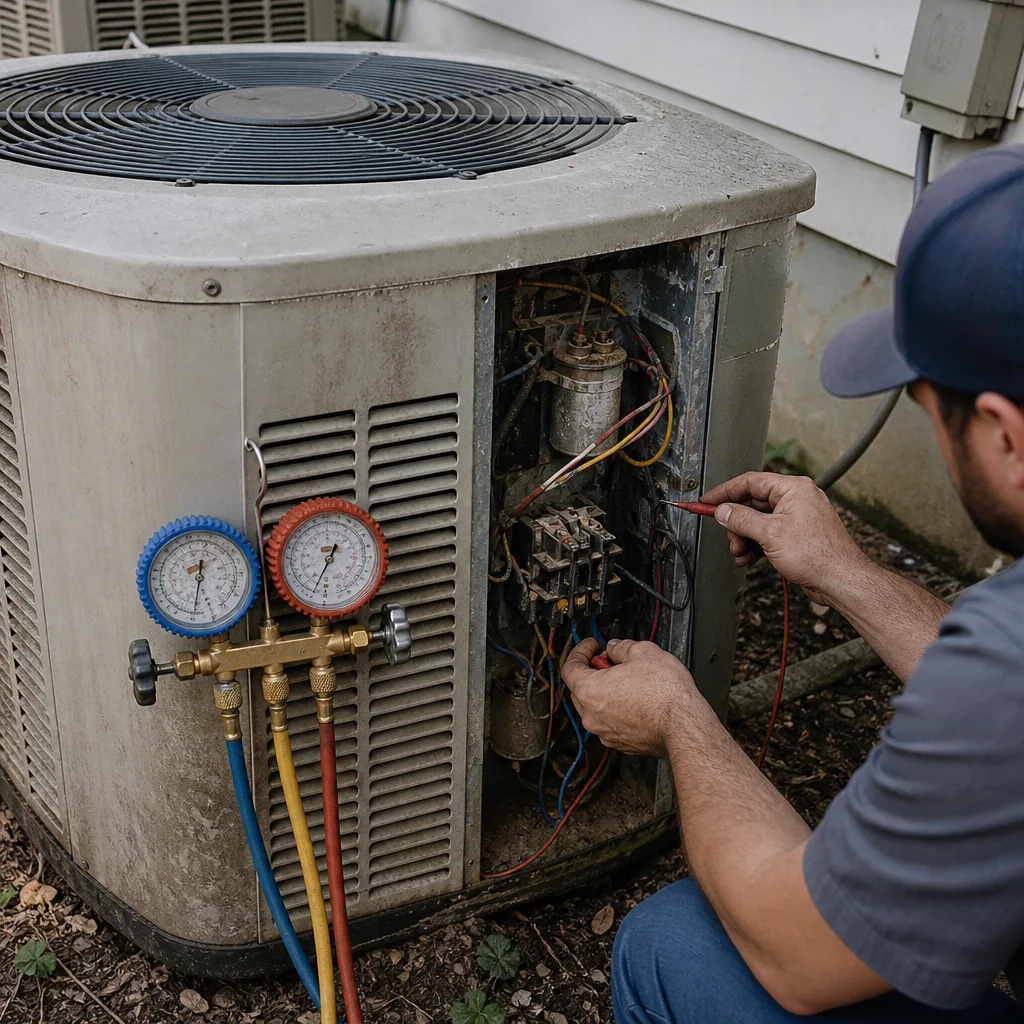 Before
 After
After Before
 After
AfterWhen to Call a Professional
Any work that requires a permit in Georgia is, by definition, work that requires a licensed professional. You cannot legally pull a mechanical permit as a homeowner in most Georgia jurisdictions, including Cobb County and the City of Marietta. That rule exists to protect you, and to protect the next owner of your home. But there are also situations where you should call a professional even if a permit isn’t strictly required. If your furnace is short-cycling, if your AC is freezing up repeatedly, if you smell gas near your furnace, or if the system is older than 15 years and approaching the end of its service life, a licensed technician can diagnose the issue and tell you honestly whether a repair or a replacement makes sense. You don’t need to know the answer before you call. You just need someone who will tell you the truth about what they find, with a written price before any work starts.
Brandt HVAC Co Marietta offers free estimates in Marietta. Every job starts with a written price, and every repair comes with a written guarantee. If you have questions about whether your HVAC project needs a permit, call (478) 662-5175 and we’ll walk you through what applies to your specific address. No pressure, no obligation, just straight answers from people who work in Cobb County every day.
Frequently Asked Questions
Yes, replacing a furnace, air conditioner, heat pump, or any combination of those components requires a mechanical permit in Georgia, including in Marietta and unincorporated Cobb County. The permit must be pulled by a state-licensed contractor before work begins. Component-level repairs like replacing a capacitor, contactor, igniter, or thermostat do not require a permit.
Mechanical permit fees for HVAC work in Cobb County typically run between $75 and $250 for most residential replacements, and combined mechanical plus electrical permits generally fall between $150 and $400. The exact fee depends on the declared valuation of the work and whether the job is in the City of Marietta or unincorporated county jurisdiction.
You can face several consequences: the county can levy fines and require corrective work, your homeowner’s insurance can deny a related claim, the manufacturer can void your equipment warranty, and an unpermitted installation will complicate or derail a future home sale when the title search turns up no permit record. The liability falls on the homeowner even if the contractor was the one who skipped the permit.
The licensed contractor is legally obligated to pull the permit in Georgia. If a contractor asks you to pull the permit yourself, that’s a strong indication they are not properly licensed. However, the liability for unpermitted work ultimately lands on the property owner, which is why you should verify the permit number before work begins and confirm it’s closed before final payment.
Most furnace repairs do not need a permit. Replacing a flame sensor, gas valve, igniter, blower motor, circuit board, or pressure switch is considered maintenance under Georgia code and requires no permit. Replacing the entire furnace, however, does require a mechanical permit because it’s an alteration to the system, not a repair of an existing component.
Ask the contractor for the permit number and final inspection date, then verify it through the Cobb County or City of Marietta online permit portal. Look for a status of “finaled” or “closed.” An open permit will show up on a title search when you sell your home and can delay or derail the closing. Keep a copy of the closed permit with your property records.
The Bottom Line
Georgia’s HVAC permit rules are not complicated once you know the line: replacements need permits, repairs don’t. What’s complicated, and genuinely expensive, is what happens when work is done without the required permit. A skipped permit in Marietta can void your manufacturer’s warranty from Bryant, York, Daikin, or Rheem, compromise your homeowner’s insurance coverage, and turn a future home sale into a legal and financial headache. The fix is straightforward: hire a licensed contractor who pulls the permit before work starts, verifies the inspection, and provides written proof that the permit was closed. The permit fee is small. The protection it buys is real. If you’re planning HVAC work in the Marietta area and you’re not sure where you stand, call (478) 662-5175 for a free estimate and straight answers about your specific situation. Our team at Brandt HVAC Co Marietta home works in Cobb County every day, and we’ll help you understand exactly what your project requires before you spend a dollar.
Written by Devin Marlowe, Owner at Brandt HVAC Co Marietta, serving Marietta since 2003.