
Last updated October 16, 2026
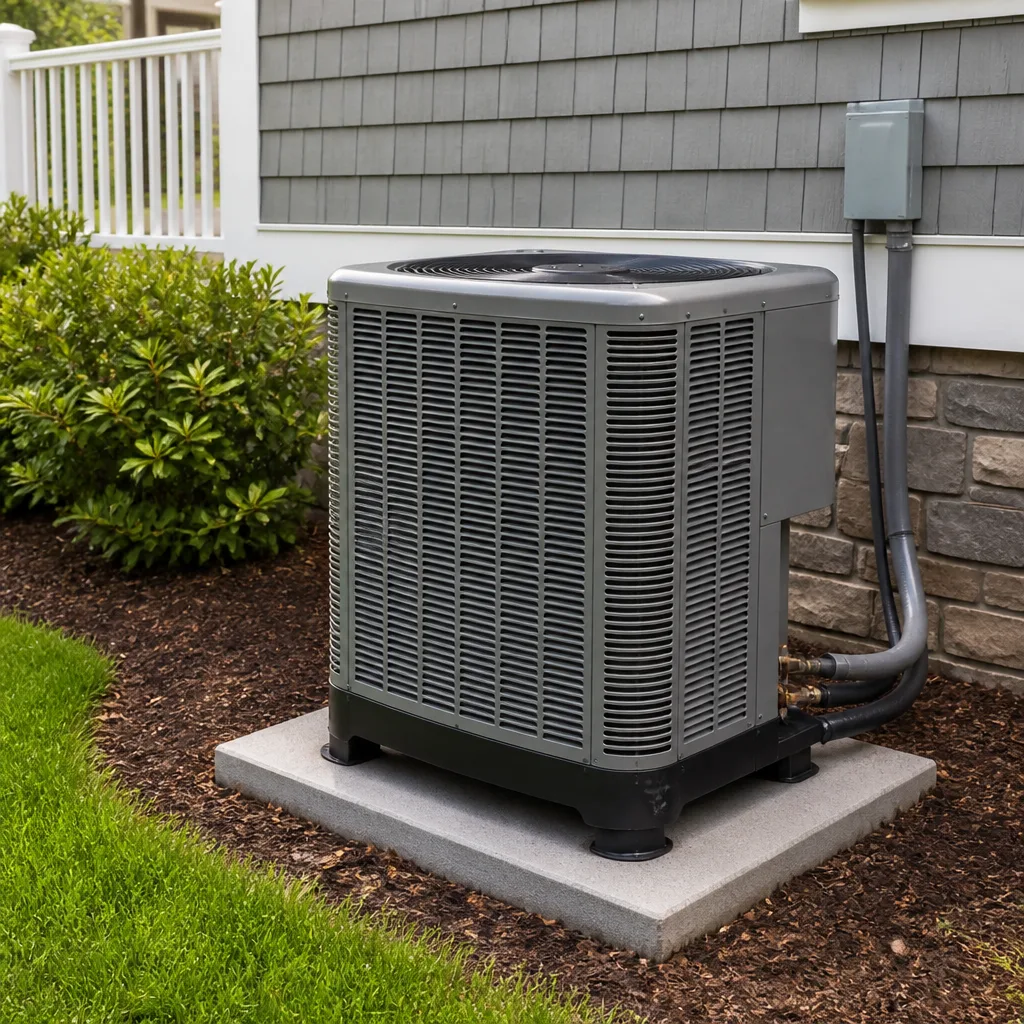 AC repair
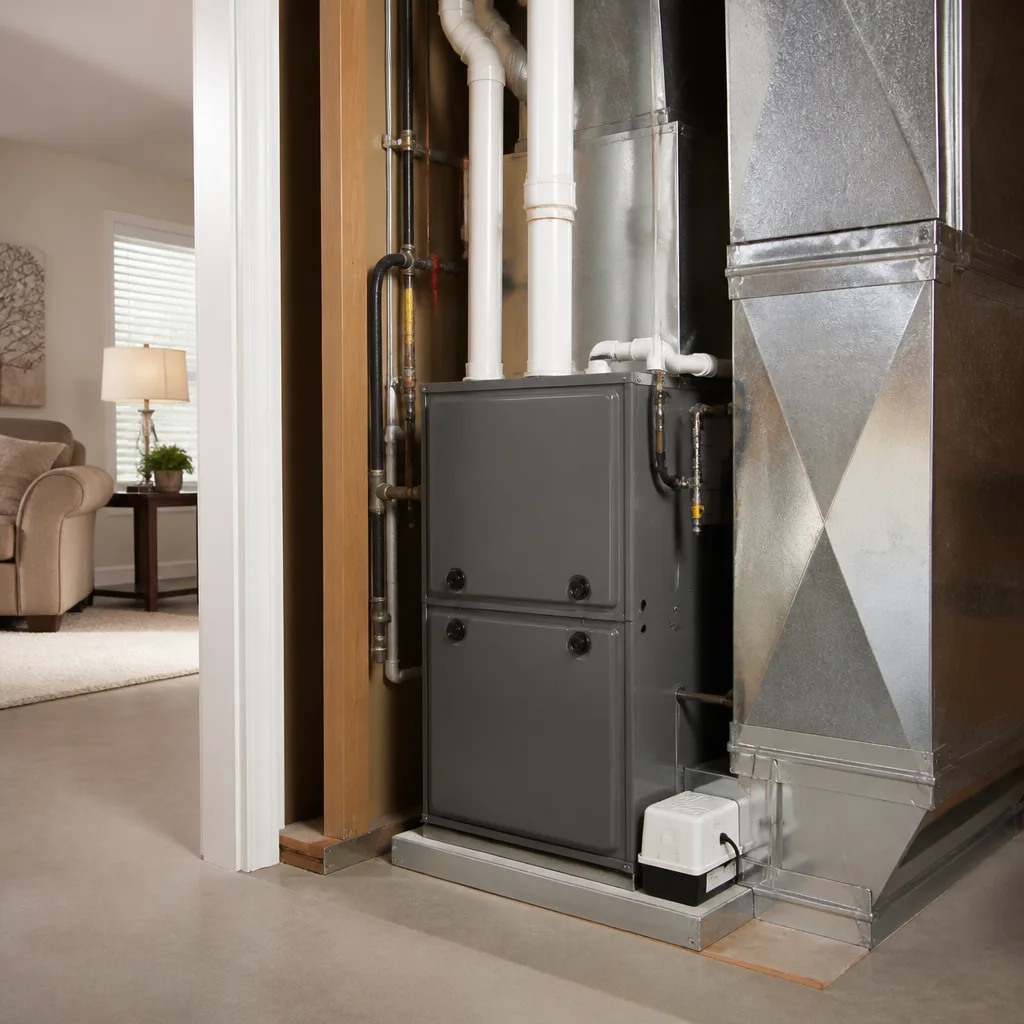 Furnace & heating
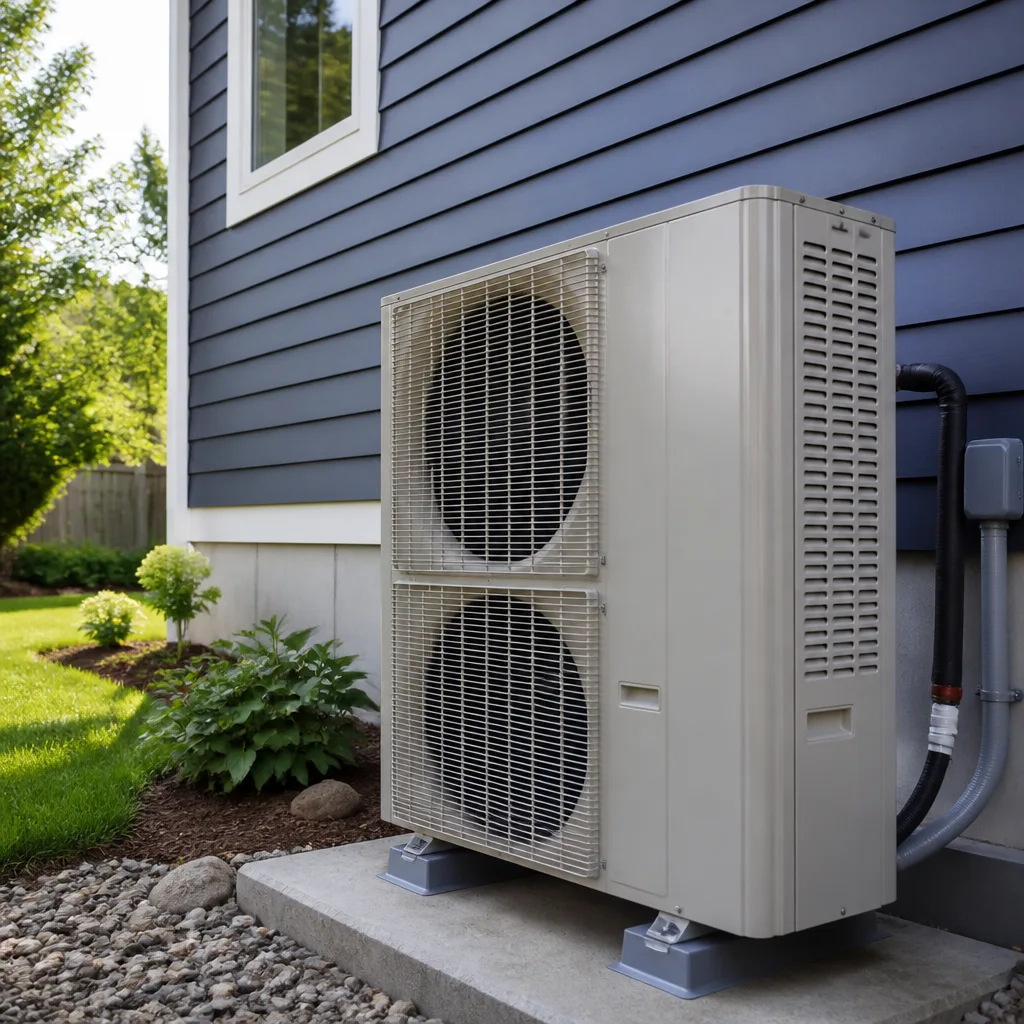 Heat pumps
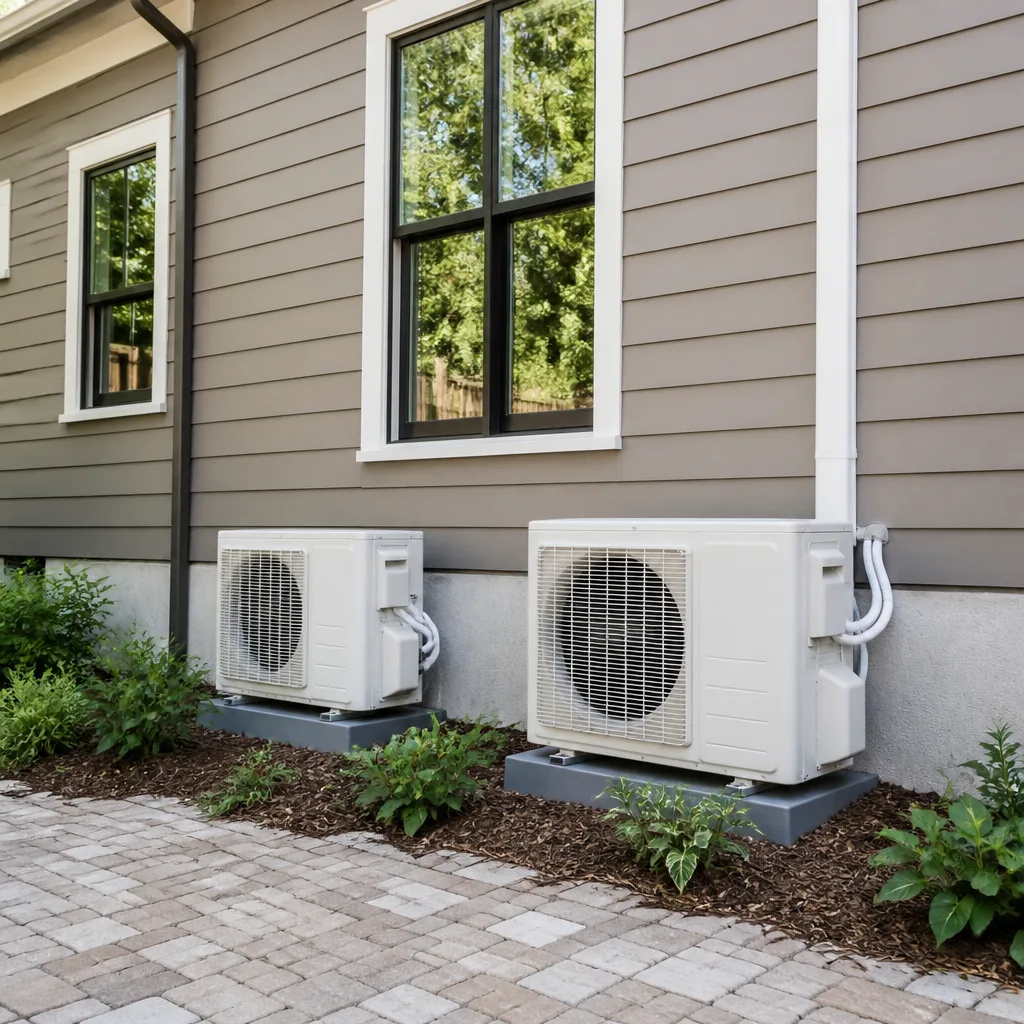 Ductless mini splits
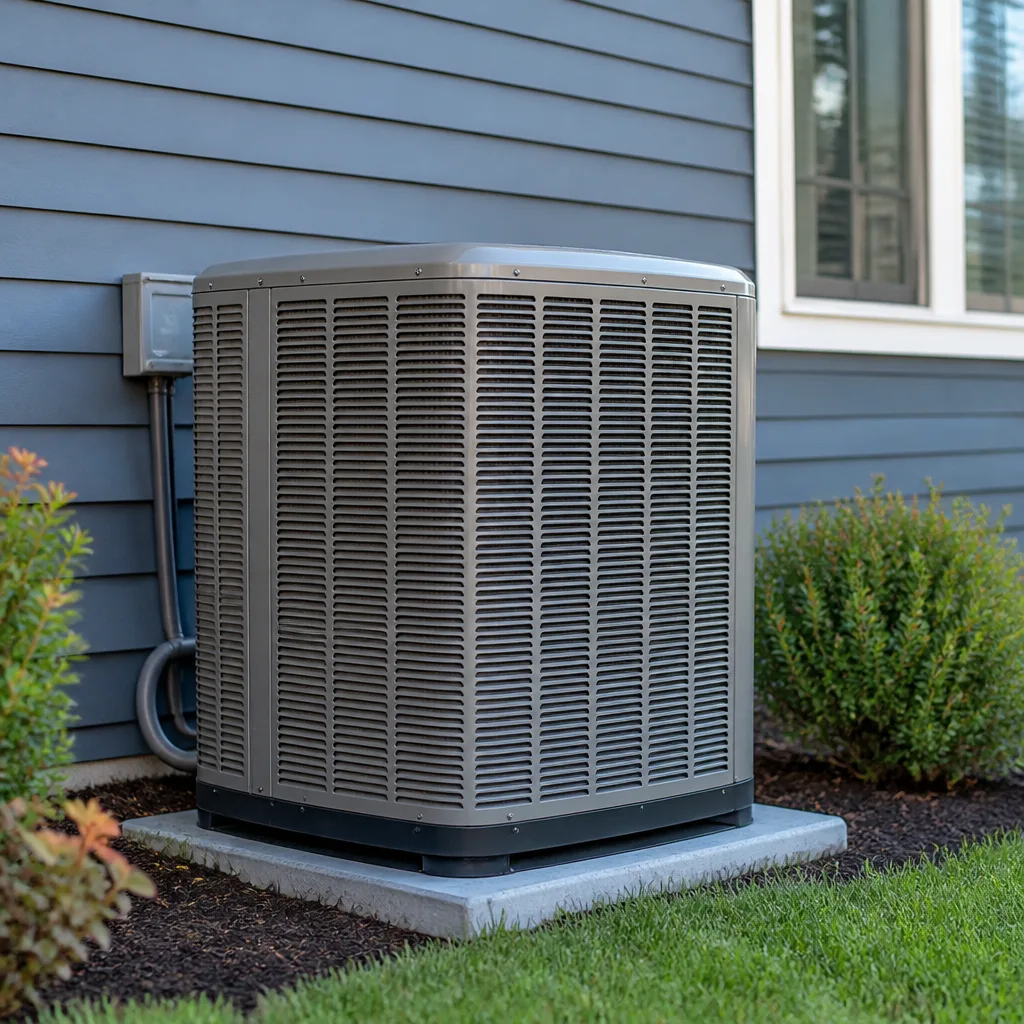 Carrier
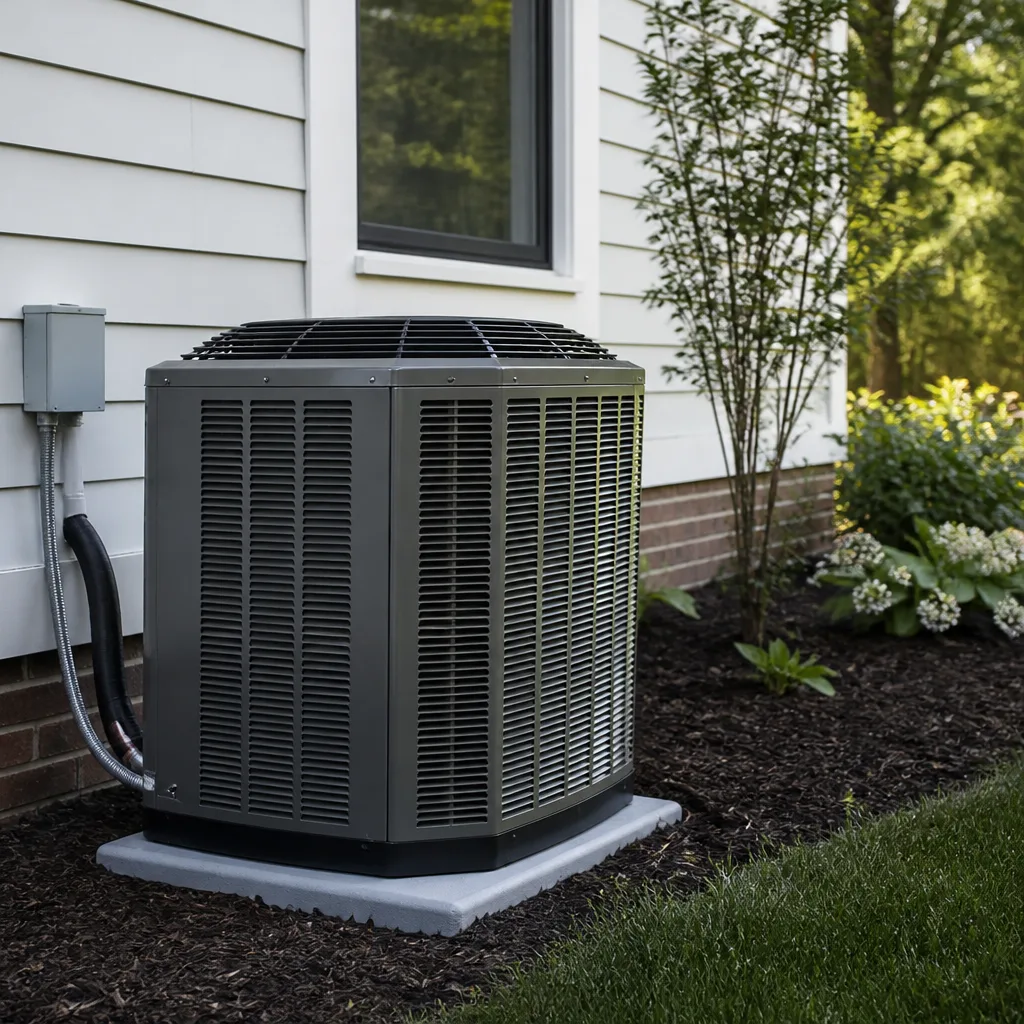 Trane
Trane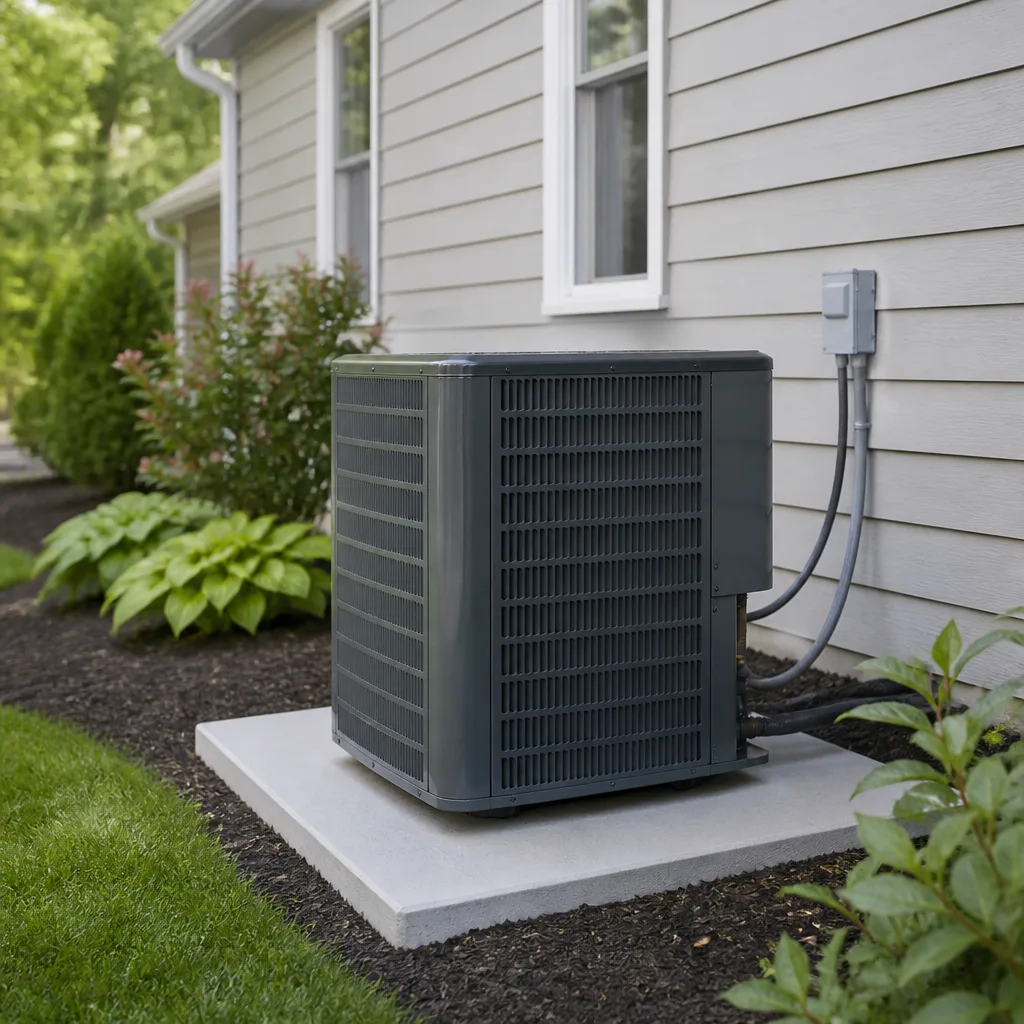 Goodman
Seasonal tune-up and full diagnostic on your Carrier, Trane, or Goodman system - readings shown to you before any repair is proposed
Diagnosis first, numbers second - you approve the repair price before a single part goes in.
Get your free estimateHVAC Warning Signs: A Marietta Homeowner’s Reference Guide
Here’s the thing about HVAC systems in Marietta: most failures don’t announce themselves with a dramatic bang or a puff of smoke. They whisper for weeks or months first. The compressor that dies on a 98-degree July afternoon usually spent the prior spring drawing too many amps every time it started. The furnace that quits during a January cold snap typically gave its owner a dozen small warnings in November and December. The homeowners who avoid the worst repair bills aren’t the ones with the newest equipment. They’re the ones who learned to recognize the quiet signals their system sends before a $2,400 compressor replacement becomes the only option. This guide covers what those signals are, which ones demand immediate action, and which ones you can safely watch for 30 days. For a broader look at system care, see The Complete Guide to HVAC in Marietta. We wrote it for Marietta specifically, because our climate creates failure patterns you won’t see in other parts of the country.
Styles & brands we work with
Quick Answer
The most expensive HVAC warning signs in Marietta are the ones that don’t look like emergencies: short cycling, rising indoor humidity, and slowly climbing summer electric bills. A system that shuts off and restarts every few minutes, a house that feels clammy even when the AC is running, or a power bill that climbs $40 a month with no change in usage all point to problems that get dramatically more expensive when ignored. If your system is doing any of those things, call a technician before the next heat wave or cold snap, not during it.
Table of Contents
- Short Cycling: The Most Expensive Quiet Warning
- High Indoor Humidity Is an HVAC Problem, Not a Weather Problem
- Symptom Reference Table: Sound, Smell, Behavior, and Bill
- 30-Day Watch vs. Same-Day Call: How to Triage What You’re Seeing
- How to Describe a Symptom Accurately So You Don’t Get Oversold
- What to Check Yourself in 10 Minutes Before Calling
- What to Leave Entirely Alone
- Common Mistakes to Avoid
- When to Call a Professional
- Frequently Asked Questions
- The Bottom Line
Short Cycling: The Most Expensive Quiet Warning
A system that short cycles runs for two or three minutes, shuts off, waits a few minutes, and starts again. Most Marietta homeowners assume this means the house is just cooling fast. It almost never does. What it usually means is that the system is working too hard on startup, overheating, tripping a safety switch, shutting down, and repeating the cycle. Every startup is the hardest moment for a compressor. It’s the moment when the motor draws the most current and generates the most internal heat. A system that starts ten times an hour instead of three times an hour ages its compressor years ahead of schedule. The part that was supposed to last fifteen years fails in seven, and compressor replacement on most residential systems in Marietta runs between $1,800 and $3,400 depending on the brand and tonnage.
The causes of short cycling break down into a few categories we see regularly in Marietta homes:
- Oversized equipment: A system that’s too big for the house cools it too fast and shuts off before completing a full cycle. This was a common problem in Marietta homes built during the 2004 – 2007 building boom, when some installers upsized equipment to compensate for poorly insulated attics.
- Dirty or frozen evaporator coil: Low airflow across the coil causes it to freeze, which trips the system’s safety limit. The system shuts down, the ice melts, and the cycle repeats.
- Failing run capacitor: The capacitor gives the compressor and fan motor the electrical kick they need to start. A weak capacitor causes hard starts and intermittent shutdowns. This is a relatively inexpensive fix, usually $120 to $250 parts and labor.
- Refrigerant leak: Low refrigerant causes the coil to freeze and the system to cycle erratically. A leak needs to be found and sealed before the system is recharged, which is a refrigerant recharge in trade terms, meaning refilling the fluid that moves heat out of your home.
- Thermostat placement error: A thermostat mounted on a wall that gets direct afternoon sun or sits near a supply vent will misread the room temperature and short cycle the system.
AC Repair Maintenance Checklist for Marietta Homeowners aside, short cycling is one of the few HVAC warning signs that almost always gets more expensive the longer you wait. A $150 capacitor replacement becomes a $2,000 compressor replacement if the hard starting continues long enough. That’s the quiet math of this particular warning sign, and it’s the reason we tell Marietta homeowners to treat short cycling as a same-week service item, not a see-how-it-goes situation.
If you’re thinking about having the system evaluated, our AC Repair in Marietta page explains what a diagnostic visit includes and what a written quote looks like before any work begins.
High Indoor Humidity Is an HVAC Problem, Not a Weather Problem
Marietta summers are humid. Everyone knows that. What most homeowners don’t realize-something Seasonal HVAC Care for Marietta: Year-Round Homeowner’s Guide emphasizes-is that the air conditioner itself is supposed to be the primary dehumidifier in the house. A properly functioning AC removes moisture from the air as a byproduct of cooling. When the system is working correctly, indoor relative humidity should stay between 40% and 55% even when it’s sticky outside. When the humidity inside the house starts climbing into the 60s and 70s while the AC is running, that’s not Georgia weather. That’s an equipment problem.
The most common causes of high indoor humidity in Marietta homes:
- An oversized system that short cycles: The system cools the air quickly but doesn’t run long enough to remove moisture. You get cold, clammy air instead of cool, dry air. This is common in homes where the AC was replaced with a bigger unit than the original properly sized system.
- A system low on refrigerant: The coil can’t get cold enough to condense moisture out of the air, so humidity stays high even while the system runs continuously.
- A frozen evaporator coil: Ice blocks airflow entirely. The system runs but no air moves, so no moisture gets removed.
- Duct leakage in a crawlspace or attic: Gaps in the return duct pull humid outside air into the system before it ever reaches the coil.
- A continuously running blower fan: If the fan switch on the thermostat is set to “on” instead of “auto,” the fan keeps blowing after the compressor shuts off, which re-evaporates moisture from the coil back into the house.
High indoor humidity isn’t just an annoyance. It promotes mold growth inside walls, ceilings, and ductwork. It makes the house feel five degrees warmer than it actually is, which causes homeowners to lower the thermostat and raise the power bill. It also creates the perfect environment for dust mites, which are a common trigger for allergy and asthma symptoms. In Marietta, where summer humidity is a fact of life, a system that can’t manage indoor moisture is a system that’s failing at half its job.
The fix depends on the cause. Sometimes it’s as simple as switching the fan setting to “auto.” Sometimes it requires a manual J load calculation and equipment replacement to right-size the system. A good diagnostic visit starts with measuring indoor humidity, checking refrigerant pressures, and inspecting the ductwork before anyone recommends a repair. Our AC Maintenance in Marietta page covers what a full system inspection includes and why humidity is one of the measurements we check.
Symptom Reference Table: Sound, Smell, Behavior, and Bill
This table matches the most common HVAC warning signs Marietta homeowners report to the most likely cause and the urgency level we’d assign. It’s not a substitute for a proper diagnostic visit, but it will help you know whether to call today or keep watching.
| Symptom | Most Likely Causes | Urgency |
|---|---|---|
| Loud buzzing or humming from the outside unit | Failing compressor contactor, failing capacitor, seized compressor | Same-day call. A seized compressor drawing locked-rotor current will overheat and destroy itself. |
| Clicking noise at startup, system won’t run | Bad capacitor, bad contactor, electrical connection problem | Same-day or next-day. Electrical issues don’t improve on their own. |
| High-pitched squeal or whistle | Failing blower motor bearing, refrigerant passing through a restricted metering device, duct leak | Same-week. Blower motor failures are cheaper to fix before total failure. |
| Burning smell, like hot dust or an electrical fire | Dust burning off heat strips at first furnace startup (normal), failing blower motor, overheating electrical component | If it’s the first startup in fall, watch for 20 minutes. If it persists or smells like plastic or electrical smoke, shut the system off and call immediately. |
| Rotten eggs or sulfur smell when furnace runs | Natural gas leak (the odorant mercaptan) | Leave the house and call the gas company emergency line immediately. Do not operate any switches. |
| System runs but house won’t cool below 78°F | Low refrigerant, undersized system, leaking ducts, poor attic insulation | Same-week. The system is working harder than it should, which accelerates wear. |
| System runs but house won’t heat above 65°F | Dirty flame sensor, failing igniter, clogged filter, blower motor problem | Same-day in winter. A house that can’t hold heat in January is a comfort and safety issue. |
| Indoor humidity above 60% with AC running | Oversized system, refrigerant leak, frozen coil, duct leakage | Same-week. Long-term humidity problems cause mold and structural damage. |
| Electric bill climbing $30 – $60/month with no usage change | Refrigerant leak, failing compressor, duct leaks, dirty coil reducing efficiency | Same-month diagnostic. A system losing efficiency is burning money every day it runs. |
| Ice on the copper lines at the outside unit | Low refrigerant, restricted airflow, dirty filter | Turn the system off and call same-day. Running a frozen system damages the compressor. |
| Water pooling around the indoor unit | Clogged condensate drain line, cracked drain pan, frozen coil thawing | Same-day or next-day. Water damage from a leaking air handler gets expensive fast. |
Two of those symptoms need special emphasis. A rotten egg smell when the furnace runs is never an equipment issue. It’s a gas leak, and the correct response is to leave the house and call the utility’s emergency line from outside. And ice on the copper refrigerant lines at the outside unit means the system is starving for refrigerant or airflow. Shut it off at the thermostat and leave the fan running if possible to help thaw the coil, then call for service.
30-Day Watch vs. Same-Day Call: How to Triage What You’re Seeing
Not every HVAC warning sign requires a service call tomorrow. Some things are safe to document and watch for a month. Other things damage equipment or create safety risks if they’re ignored for a single additional day. Here’s the triage framework we use with Marietta homeowners:
Safe to monitor for 30 days, with documentation:
- A system that runs slightly longer than it used to (15 minutes instead of 10) with no other symptoms. This can simply be normal seasonal wear or slightly warmer weather.
- Occasional condensation on the outside of windows during cooling season. One or two humid days with windows sweating is often a weather event, not an equipment failure. If it persists for weeks, that changes.
- A small, steady increase in energy usage (under $20/month) when compared to the same month last year, especially if the summer is warmer than last year. Track it. If the trend continues into fall, schedule a diagnostic.
- Intermittent mild rattling from a vent in one room. This is often a loose damper or register, not a system failure.
- A slight musty smell from the vents for the first few minutes after startup. This is often a dirty coil or filter. Replace the filter and see if it clears.
Same-day or next-day service needed:
- Any burning smell that persists beyond the first few minutes of operation, especially if it smells like plastic, rubber, or electrical components. Shut the system off and call.
- Ice anywhere on the refrigerant lines or the outside unit. Running a system with a frozen coil can destroy the compressor, and that’s the most expensive single repair on a residential AC system.
- A short-cycling system that starts and stops every few minutes. Every start is a stress event for the compressor, and the damage compounds quickly.
- Any grinding or metal-on-metal sound from the outside unit. This typically means the compressor or fan motor is failing internally.
- Water pooling around the indoor air handler or running down the outside of the unit. This isn’t just an HVAC problem, it’s a water damage problem, and water damage in a Marietta attic or closet gets expensive quickly.
- A system that won’t hold temperature no matter how long it runs. This is failure in progress, and every hour of runtime is multiplying the repair cost.
The principle behind this triage is simple: symptoms that affect electrical components, refrigerant, or water are same-day issues. Symptoms that affect comfort only, with no sign of mechanical stress, can be documented and observed. When in doubt, call. A diagnostic visit costs less than the repair that follows a month of ignored warning signs.
How to Describe a Symptom Accurately So You Don’t Get Oversold
The way you describe a problem to a technician directly affects the repair you’re recommended. Vague descriptions (“it’s not cooling right”) invite guesswork, and guesswork sometimes becomes unnecessary parts replacement. Specific descriptions narrow the diagnostic path and reduce the chance you pay for a repair that doesn’t actually fix the problem. Here’s what to note before you call:
- When it happens: Does the problem show up at a specific time of day? Only in the afternoon? Only when the system has been running for a few hours? Only when it’s above a certain outside temperature? This information helps separate heat-related failures from component failures.
- What it sounds like: “Buzzing” means something different from “clicking,” which means something different from “grinding.” Don’t worry about using the right trade term. Describe the sound as precisely as you can, and note where it comes from: the outside unit, the indoor unit, or a specific vent.
- What it smells like: Electrical burning, hot dust, mildew, and natural gas all have distinct smells with distinct causes. If there’s an odor, say so and describe it as specifically as you can. “It smells like hot plastic from the vent in the hallway” is a useful description. “It smells weird” is not.
- How long it’s been happening: Did this start yesterday, or has it been going on for three weeks? The timeline matters. A symptom that started three weeks ago and is unchanged is different from one that started yesterday and is getting worse by the day.
- What you’ve already tried: Did you change the filter? Reset the breaker? Move furniture away from a return vent? Say so. It saves the technician from repeating things that didn’t work and helps narrow the diagnosis.
- What the system is actually doing: “It runs for 4 minutes, shuts off for 6 minutes, then runs again” is vastly more useful than “it keeps turning on and off.” Times matter. If you can, time a few cycles before you call.
One more thing about protecting yourself from unnecessary repairs: ask the technician to show you the failed part before it’s replaced. A legitimate technician will happily show you a cracked capacitor, a burned contactor, or a frozen coil. Anyone who can’t or won’t show you what failed should be treated with skepticism. And get the price in writing before any work begins. If a company won’t put a price in writing, you should wonder why. At Brandt HVAC Co Marietta, every job starts with a written price, and no work begins until you’ve seen it and agreed to it. That’s not a special offer. That’s how it works every time, including on our Furnace Repair in Marietta jobs and every other repair we do.
What to Check Yourself in 10 Minutes Before Calling
Before you call for service, there are a few things you can check in about ten minutes that will either fix the problem outright or give the technician useful information. None of these involve opening the equipment cabinet or touching electrical components, which is the line you shouldn’t cross. Here’s the checklist we walk through with homeowners on the phone:
- Check the thermostat settings. Make sure it’s set to “cool” (or “heat” in winter), the fan is set to “auto” rather than “on,” and the temperature setting is actually below the current room temperature. About 10% of the “my AC isn’t working” calls we get start with a thermostat that’s set wrong or a fan left running continuously.
- Check the air filter. A clogged filter restricts airflow, which causes coils to freeze in summer and furnaces to overheat in winter. If the filter looks like a felted blanket, replace it. In Marietta, where pollen season runs long and hard, filters often need replacing every 30 to 60 days, not the 90 days the packaging suggests.
- Check the breakers. Find the breaker for the indoor air handler and the outdoor unit. Turn both all the way off, wait 30 seconds, then turn them back on. A tripped breaker doesn’t just happen for no reason, but resetting it once is reasonable. If it trips again, stop resetting it and call for service. Repeated tripping is a sign of an electrical fault that needs professional attention.
- Check the outside unit for obvious obstruction. Leaves, grass clippings, or debris piled around the condenser restrict airflow and force the system to work harder. Clear away anything within two feet of the unit. In Marietta, pine straw is a frequent offender.
- Check the condensate drain line. Most systems have a drain line that carries condensation away from the indoor unit. If it’s clogged, water backs up and the system shuts down on a safety float switch. Pouring a cup of white vinegar into the drain line access point once a month helps prevent clogs. If the drain is already backed up, a wet-dry vacuum on the outside drain opening will often clear it.
- Check the vents. Make sure supply vents are open and return vents aren’t blocked by furniture, carpet, or stored boxes. A blocked return vent reduces airflow enough to freeze a coil in summer.
If all of these check out and the system still isn’t working, you’ve done your part. The next step is a professional diagnostic, and you’ll be able to give the technician a short list of what you’ve already checked, which saves time and narrows the problem.
What to Leave Entirely Alone
There’s a line between homeowner maintenance and professional work, and crossing it is genuinely dangerous. HVAC equipment contains high voltage electricity, pressurized refrigerant, and moving parts that can remove fingers. Here’s what you should never do, no matter how many YouTube videos you’ve watched:
- Never remove the panel on the outside unit or the indoor air handler. The capacitor inside stores electrical charge even when the power is off. A charged capacitor can deliver a shock that stops your heart. This isn’t hyperbole. It’s the number one HVAC injury mechanism, and every technician has a story about a homeowner who learned this the hard way.
- Never attempt to add refrigerant or “recharge” the system yourself. Refrigerant is regulated, pressurized, and dangerous if mishandled. It also requires a license to handle in Georgia. More importantly, adding refrigerant to a system with a leak doesn’t fix anything; it just leaks out again and damages the environment.
- Never open the gas valve or attempt to light a furnace pilot manually. Modern furnaces use electronic ignition and sealed combustion, but older furnaces in some Marietta homes still have standing pilots. Gas is explosive. If you suspect a gas problem, shut the gas supply off at the meter if you know how, and call a professional. Then leave the house until help arrives.
- Never run the system with ice on the coil just to “see if it thaws.” Shut it off at the thermostat and if possible set the fan to “on” to circulate room air across the frozen coil. Running the compressor against a frozen coil is like running a car engine with no oil.
- Never bypass a safety switch. Safety limit switches exist because the manufacturer learned the hard way what happens when the system runs outside its design limits. Bypassing one voids warranties and risks a fire.
The safest and most reliable way to handle anything beyond the ten-minute checklist is to call someone who does this work every day. The threshold between homeowner maintenance and professional repair is the equipment cabinet itself. If you have to open a panel to fix it, you shouldn’t be fixing it.
Common Mistakes to Avoid
- Ignoring a slowly rising power bill. When a system loses efficiency, it draws more power for the same comfort. That $40 monthly increase is a warning sign, and over a year it adds up to real money. In Marietta, where cooling season runs from April through October, an inefficient system spends seven months a year burning extra electricity.
- Setting the thermostat lower to compensate for weak cooling. A system that can’t hold 75°F won’t do better at 68°F. It’ll just run constantly, build ice on the coil, and accelerate the repair. Lowering the thermostat in response to weak cooling is like driving faster on a flat tire.
- Replacing the filter only when it looks visibly dirty. By the time a filter looks dirty, it’s been restricting airflow for weeks. Check it monthly and replace it when you can see dust accumulation, which in Marietta’s pollen-heavy spring and fall is often every month.
- Assuming a new system can’t have problems. Even well-installed new equipment has a failure curve. The first year is when manufacturing defects show up. If your new system is short cycling, freezing, or making odd sounds, that’s not normal break-in behavior. Call the installing company.
- Waiting until the first hot day to discover the AC doesn’t work. Every year, the first serious heat wave in Marietta brings a wave of calls from homeowners who haven’t run their AC since October. A ten-minute test run in April costs nothing and reveals problems months before they become emergencies.
- Taking a vague diagnosis at face value. “It needs a new something” without seeing the failed part, getting a written price, or understanding what the part does is how people end up paying for repairs they didn’t need. Ask questions. A good technician will answer them.
- Ignoring musty smells from the vents. That smell is often microbial growth on the coil or in the drain pan, and it doesn’t go away on its own. It gets worse and eventually moves into the ductwork, where remediation gets expensive.
When to Call a Professional
Call a professional the same day if you have ice on the refrigerant lines or the outside unit, any burning or electrical smell that persists, a short-cycling system, a gas smell, water pooling around the indoor unit, or a system that can’t hold temperature at all. These are failure-in-progress situations where every additional hour of operation makes the eventual repair more expensive. Call within the same week for rising humidity, a moderate unexplained bill increase, musty smells, or unusual sounds that aren’t getting worse. Brandt HVAC Co Marietta offers free estimates on repair and replacement work, and every job starts with a written price before any work begins. Call (478) 662-5175 and you’ll reach a live person, any hour, any day.
Frequently Asked Questions
The most common warning signs we see in Marietta are short cycling, ice on the refrigerant lines, high indoor humidity with the AC running, unusual sounds (buzzing, clicking, grinding), unusual smells (burning, musty, gas), and climbing electric bills with no change in usage. Short cycling and high humidity are the two that get ignored the longest because they don’t look like emergencies.
If you smell gas, see smoke, or hear a grinding noise from the outside unit, that’s an emergency. Shut the system off and call immediately. Ice on the refrigerant lines, water pooling around the indoor unit, and a short-cycling system are urgent and should be addressed the same day. A system that’s slightly less efficient or makes an occasional light rattle can usually wait a week or two. When in doubt, call and describe what you’re seeing; a live person answers our phone at (478) 662-5175 around the clock.
The most common causes are low refrigerant from a leak, a frozen evaporator coil, a clogged filter restricting airflow, or an undersized system. In Marietta’s humid summers, a system that’s low on refrigerant or frozen will still run but won’t cool effectively. The fix starts with a diagnostic that checks refrigerant pressures, airflow, and coil condition before anyone recommends a repair.
An air conditioner dehumidifies as it cools, so high indoor humidity with the AC running usually means the system is oversized, low on refrigerant, or has a frozen coil. It can also be caused by the thermostat fan being set to “on” instead of “auto,” which re-evaporates moisture from the coil back into the house. Check the fan setting first, then call for a diagnostic if humidity stays above 60%.
A burning smell at the first furnace startup of the season is usually dust burning off the heat exchanger after months of sitting idle. It should clear within 20 to 30 minutes. If it persists, or if it smells like plastic, rubber, or electrical components, shut the furnace off and call for service. That’s not dust; that’s something overheating.
Diagnostic fees in the Marietta market typically range from $75 to $150, and many companies including ours apply that fee toward the repair if you proceed with the work. The written estimate you receive after the diagnostic should state exactly what’s wrong, what the repair costs, and what the guarantee covers. If a repair is guaranteed, the written guarantee should say what it covers and for how long. Our repairs are covered by the 365-Day Done Right Promise: if the repair fails within the guarantee period, we return at no charge. Call (478) 662-5175 for a free estimate.
The Bottom Line
HVAC warning signs in Marietta don’t need to be mysterious, and they don’t need to be expensive. The most costly failures are almost always preceded by weeks or months of observable symptoms: short cycling, rising humidity, odd sounds, specific smells, creeping utility bills. The homeowners who get the most life out of their systems are the ones who check the obvious things monthly, describe problems specifically when they call, and act quickly on the warning signs that damage equipment. The ones who get the biggest repair bills are usually the ones who rationalized a warning sign for a full season before the system finally quit. You don’t need to become an HVAC expert to avoid that. You just need to know what to watch for and when to call, and our more guides & resources can help. And when you call, you should know exactly who’s coming to your door.
Written by Devin Marlowe, Owner at Brandt HVAC Co Marietta, serving Marietta since 2003.
See the difference
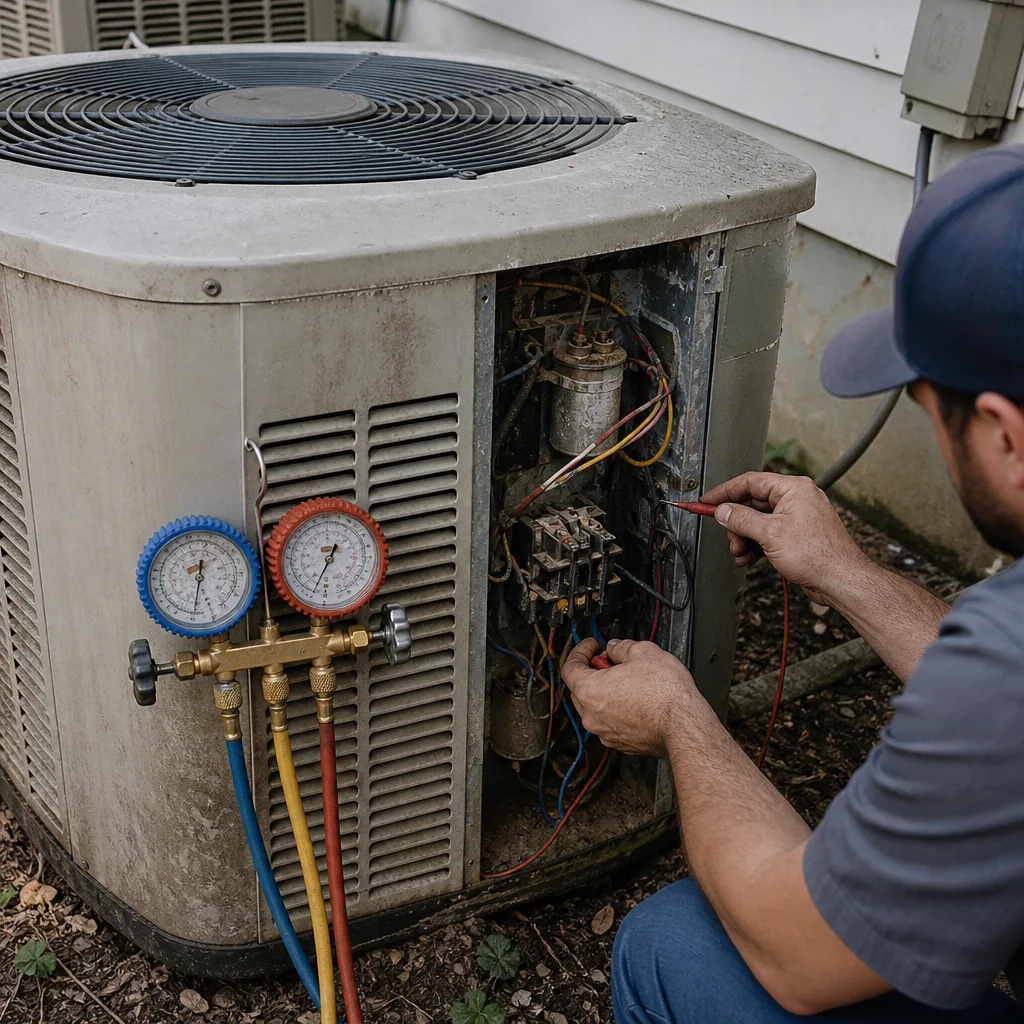 Before
 After
After Before
 After
After