
Last updated October 16, 2026
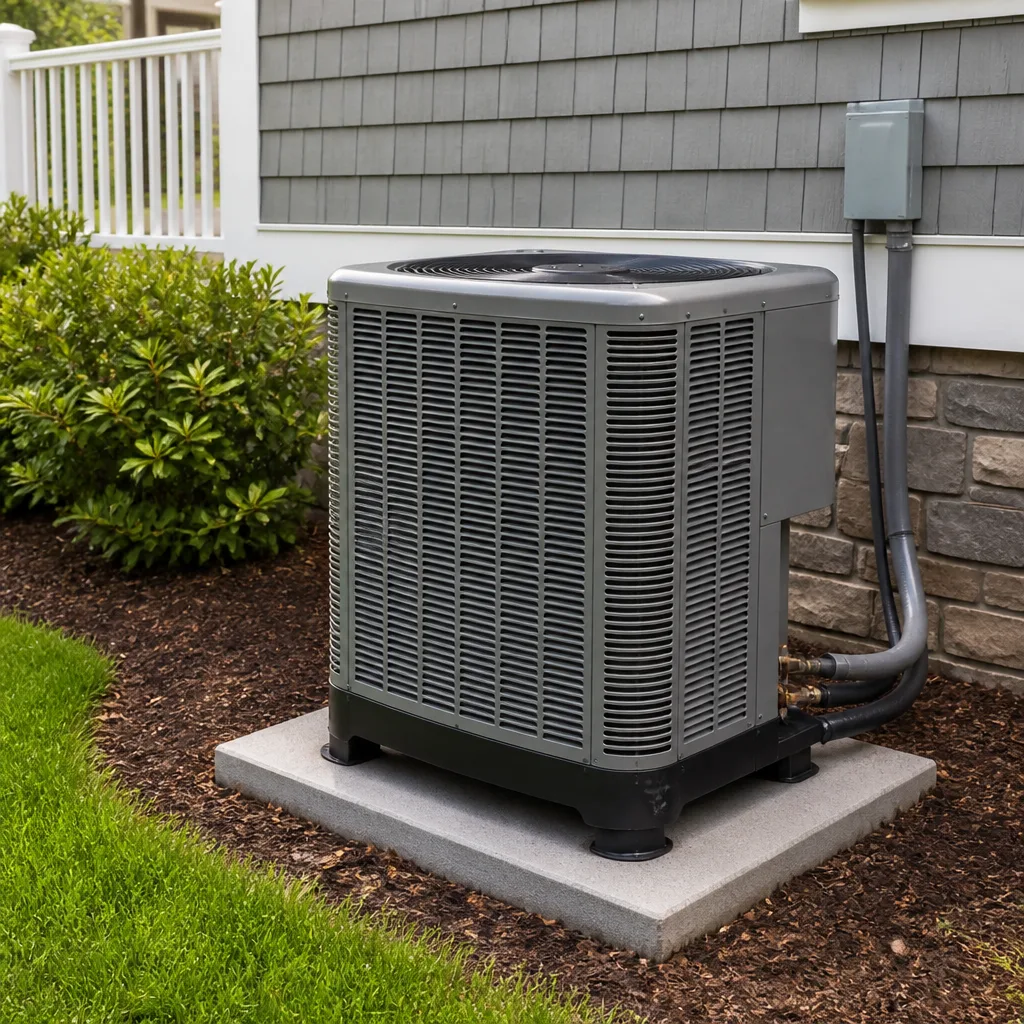 AC repair
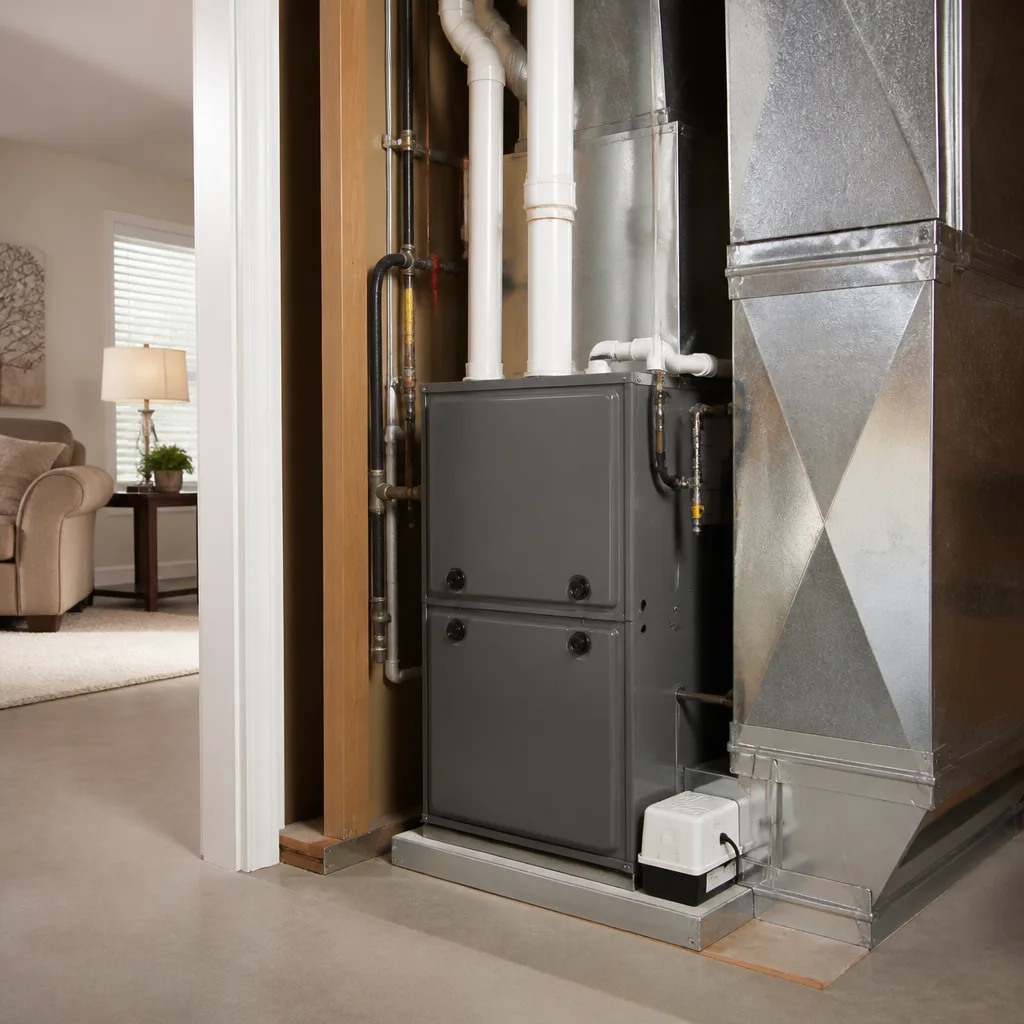 Furnace & heating
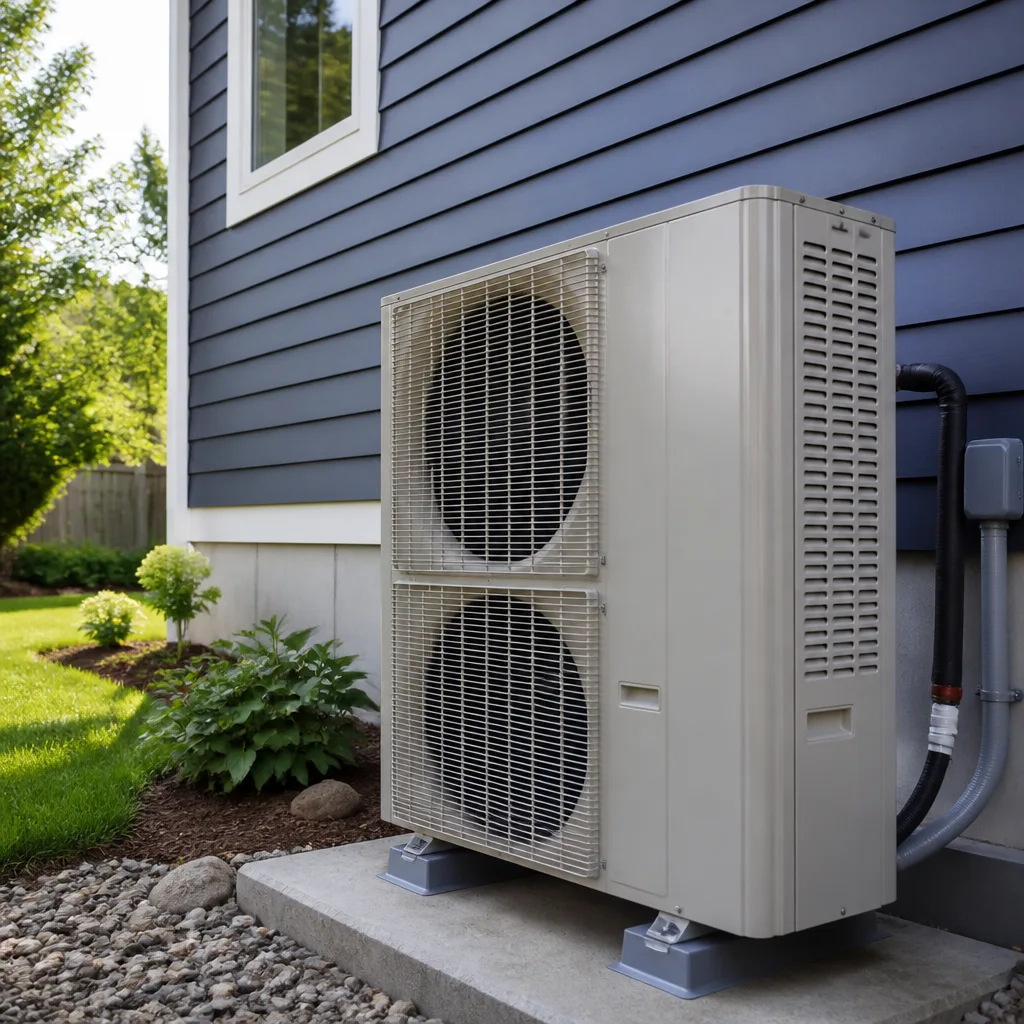 Heat pumps
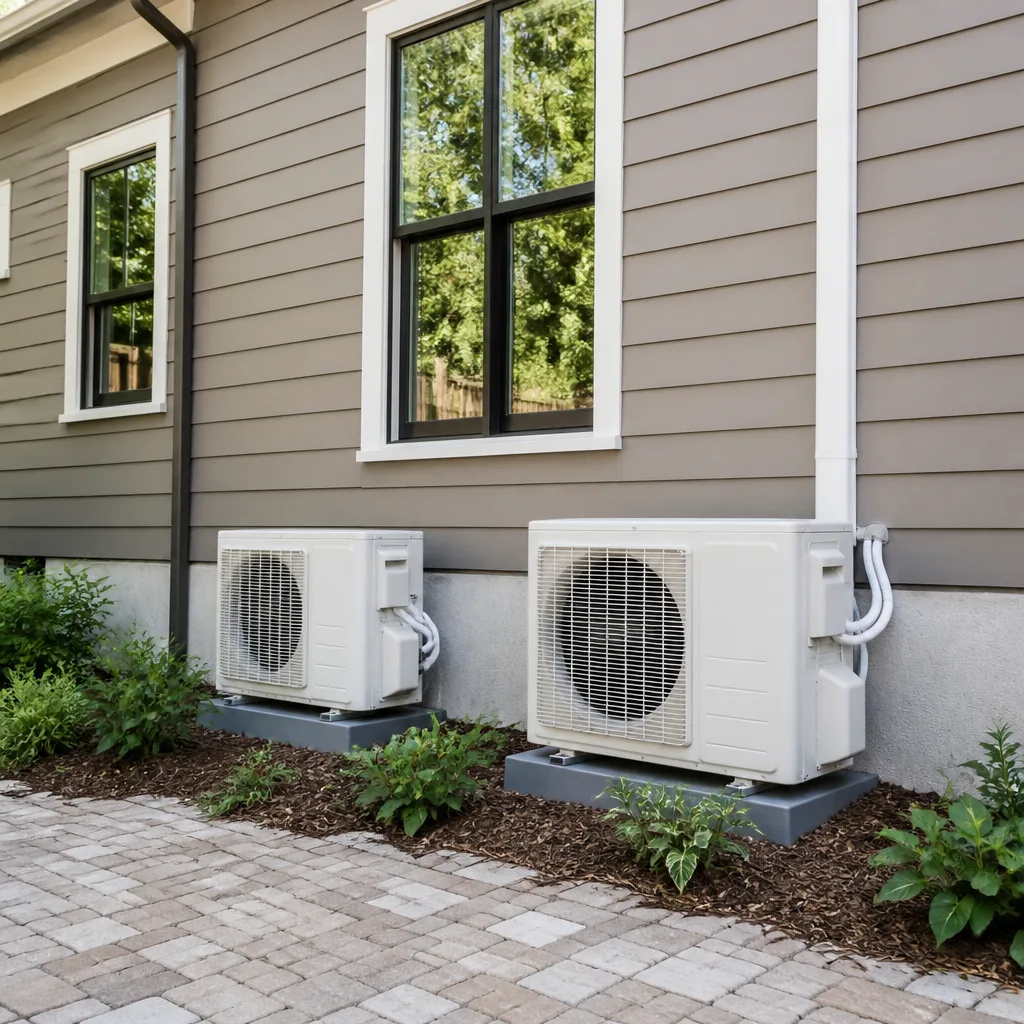 Ductless mini splits
 Carrier
 Trane
Trane Goodman
Seasonal tune-up and full diagnostic on your Carrier, Trane, or Goodman system - readings shown to you before any repair is proposed
Diagnosis first, numbers second - you approve the repair price before a single part goes in.
Get your free estimateHVAC Cost Breakdown: The Marietta Homeowner’s Reference for 2026
Here’s a number most Marietta homeowners never hear: the diagnostic fee alone can swing by $150 for the exact same 30-minute visit, depending on which company you call. One contractor charges $49 to walk through your door. Another charges $199. Both will spend the same half hour checking your system. That spread is the first clue that HVAC pricing in Marietta isn’t set by the market, it’s set by how each company structures its quote. This guide takes apart every line item, repair by repair, so you can compare bids on equal terms and know exactly what a fair price looks like in 2026. For HVAC Warning Signs: A Marietta Homeowner’s Reference Guide, see our companion resource.
Quick Answer
Most HVAC repairs in Marietta cost between $150 and $650 in 2026, with the equipment, the repairs it needs, and the repair company all affecting the final number. A capacitor replacement typically runs $150 to $300, a condenser fan motor $350 to $600, and a full system replacement lands between $6,500 and $14,000 depending on size and efficiency. The single biggest cost variable is not the part itself, but how the quote is structured, and whether that quote is guaranteed in writing before work starts.
Styles & brands we work with
Table of Contents
- What a Diagnostic Fee Actually Covers in Marietta
- Flat-Rate vs. Time-and-Materials: Which Protects the Homeowner
- The 12 Most Common HVAC Repairs in Marietta, Priced
- What Full System Replacement Costs in Marietta in 2026
- How to Read an HVAC Quote: What’s Fair and What’s Padding
- Why a Written Price Before Work Starts Should Be Non-Negotiable
- How Marietta’s Climate Affects HVAC Wear and Repair Costs
- Seasonal Pricing: When Marietta HVAC Rates Rise and Fall
What a Diagnostic Fee Actually Covers in Marietta
A diagnostic fee pays for a technician’s time to travel to your home, inspect your system, identify the problem, and give you a price to fix it. In Marietta, that fee typically runs between $49 and $199. What the technician does during that visit is fairly standard: check thermostat operation, test electrical connections, measure refrigerant pressure (for AC), inspect the blower and filter, and verify airflow. The variance in price comes from how companies treat that fee afterward.
Some Marietta companies waive the diagnostic fee entirely if you approve the repair with them. Others apply it as a credit toward the repair cost. Some keep it no matter what, even if their technician spends ten minutes at your house and hands you a $900 quote for a part that costs $40 wholesale. None of these approaches are illegal, and all of them are common. The point is to know which one you’re getting before you book.
When you call for service, ask two direct questions: “What is your diagnostic fee?” and “Is it waived or credited if I approve the repair?” A company that answers both questions clearly, without hedging, is one that is structured around transparency. A company that won’t answer over the phone, or says it depends on the technician, is one that’s structuring its pricing to maximize what it can charge at the door.
At Brandt HVAC, every service call begins with a written price before any work starts. Our diagnostic fee is stated up front, on the phone, before a technician ever gets in the truck. That practice traces back to how we’ve operated since 2003: the homeowner should know what a visit costs before they commit to the visit.
Flat-Rate vs. Time-and-Materials: Which Protects the Homeowner
There are two dominant pricing models in residential HVAC, and they produce very different final invoices. Flat-rate pricing means the company gives you one number for the entire repair, parts and labor bundled together, before the work begins. Time-and-materials means you pay an hourly labor rate plus the actual cost of parts, and the final total is unknown until the job is done.
Flat-rate pricing protects the homeowner in most repair scenarios. If a repair takes longer than expected, the company eats the overage, not you. If the technician is slow or runs into complications, the price you agreed to is the price you pay. The downside is that flat-rate numbers are usually derived from an average: a company might price a blower motor at $550 flat, even if the actual motor costs $180 and the job takes 45 minutes. You’re paying for the predictability.
Time-and-materials can be cheaper on simple repairs, but it exposes you to open-ended labor costs. Marietta HVAC labor rates in 2026 run roughly $90 to $180 per hour. A repair that quotes at “around two hours” can easily become four, and that’s $360 of extra labor you didn’t plan for. Time-and-materials also creates an incentive problem: the slower the technician works, the more the company bills.
Here’s where it gets more nuanced. For a complex job, like a coil replacement or a duct modification, flat-rate can include a significant profit margin baked in. For a simple repair, like a capacitor swap, flat-rate almost always costs more than time-and-materials. The homeowner’s protection comes from knowing the model, asking which one the quote uses, and requiring the number in writing before work begins. A company that can’t or won’t produce a written price before starting is asking you to write a blank check.
The 12 Most Common HVAC Repairs in Marietta, Priced
Here’s a plain-English breakdown of the repairs our technicians sees most often in Marietta homes, with realistic 2026 price ranges separated into parts and labor so you can see exactly where the money goes. These ranges reflect what we’ve seen in this market (Cobb County and the surrounding metro area), not national averages, which often skew low for the South.
1. Capacitor replacement: $150 to $300 total. The capacitor is a small cylinder that gives your compressor or fan motor the jolt it needs to start. Parts cost $15 to $60; labor fills the rest. This is Marietta’s most common summer repair, when heat and humidity stress these components daily.
2. Condensate drain line clearing: $100 to $250. Georgia’s humidity means these lines clog constantly. The repair is usually simple: flush the line, clear the blockage with compressed air or a wet vac, and verify flow. Most of the cost is the service call itself, which is why many Marietta companies bundle it with a maintenance visit.
3. Thermostat replacement: $150 to $400. Parts range from $40 for a basic digital model to $250 for a smart thermostat. Labor is usually 30 to 60 minutes. If you want a smart thermostat, factor in the possibility that your system needs a C-wire, which can add $75 to $150 in labor.
4. Condenser fan motor replacement: $350 to $650. This motor spins the big fan on the outdoor unit. Parts run $120 to $300 depending on the motor’s horsepower and whether it’s OEM or generic. Labor is 1 to 2 hours. When these go out in July, the wait for parts can be the real cost driver.
5. Contactor replacement: $150 to $300. The contactor is an electrical switch that turns your outdoor unit on and off. It’s a $25 to $50 part with a quick installation. At the low end of this range you’re mostly paying for the technician to get to your house and diagnose the problem correctly.
6. Refrigerant recharge: $250 to $600. This means refilling the fluid that moves heat out of your home. The cost depends heavily on the refrigerant type. R-410A, used in systems made before 2025, has risen sharply in price as it’s being phased out. Newer systems use R-454B. The recharge itself takes 30 to 60 minutes, but if your system is low, it has a leak, and any reputable company will want to find it. That’s not upsell, that’s the actual repair. Refilling a leaking system without finding the leak means you’ll pay for another recharge next season.
7. Blower motor replacement: $450 to $850. This motor pushes air through your ducts. Parts cost $150 to $400; if your system has a variable-speed or ECM motor, expect the higher end. Labor runs 1.5 to 3 hours depending on access. This is one repair where the difference between a cheap generic and an OEM or name-brand motor meaningfully affects system performance.
8. Igniter replacement (furnaces): $150 to $300. The igniter glows red-hot to light your furnace’s burners. It’s a $30 to $80 part that takes 30 to 45 minutes to swap. This is one of the most common no-heat calls in Marietta during December and January.
9. Flame sensor cleaning or replacement: $120 to $250. The flame sensor tells your furnace that the burners are actually lit. When it gets coated with carbon, the furnace shuts down as a safety measure. Cleaning takes 15 minutes; replacement parts are $20 to $60. A dishonest company might quote this as a “flame rectification system replacement,” but it’s a simple, cheap, well-understood repair.
10. Circuit board replacement: $300 to $700. The control board is your system’s brain. Parts run $100 to $350 depending on the brand (Carrier and Trane boards cost more than Goodman or Lennox equivalents, identical function). Labor is 1 to 2 hours including diagnosis. Boards fail from power surges, age, and heat exposure, and Georgia storms make surge-related failures common.
11. Compressor replacement: $1,800 to $3,200. This is the single most expensive component repair on a residential system. The compressor is the pump that circulates refrigerant. Parts alone run $800 to $1,800; labor is 4 to 8 hours including refrigerant recovery and recharge. If your system is 10+ years old, a compressor failure is often the moment to compare the cost of repair against replacement. More on that below.
12. Evaporator coil replacement: $1,200 to $2,500. The evaporator coil sits inside, usually above your furnace or in the air handler. It absorbs heat from your home’s air. Coils corrode, leak, and fail, especially in Georgia’s acidic soil conditions, which can corrode the aluminum fins faster than in drier climates. Parts run $400 to $1,200; labor is 2 to 5 hours depending on access.
These numbers assume a competent, licensed company doing the work correctly. The cheapest quote is often cheap because it omits something: no permit, no refrigerant recovery, no leak check, no guarantee. The most expensive quote is often expensive because of branding and overhead, not better workmanship. The sweet spot is a written price with a clear scope of work, a named technician, and a real guarantee.
What Full System Replacement Costs in Marietta in 2026
The sticker price on the outdoor unit is the tip of the iceberg. When you replace a full HVAC system in Marietta, you’re paying for the condenser, the evaporator coil, the furnace or air handler, the thermostat (sometimes), new line sets, a pad, electrical connections, refrigerant, duct transitions, a permit, and haul-away of the old equipment. Here’s what that actually adds up to in 2026.
| Component | Typical Range in Marietta |
|---|---|
| Condensing unit (AC or heat pump, 2-4 ton) | $2,500 – $5,500 |
| Furnace or air handler (matching efficiency) | $1,800 – $4,000 |
| Evaporator coil (matched to condenser) | $600 – $1,400 |
| Installation labor (1-2 days, 2-3 techs) | $1,200 – $2,800 |
| Line set, pad, electrical, duct transitions | $500 – $1,200 |
| Refrigerant (R-454B for new systems) | $300 – $800 |
| Permit and inspection (Cobb County) | $150 – $350 |
| Haul-away and disposal of old equipment | $100 – $300 |
| Smart or programmable thermostat (if included) | $150 – $400 |
Total realistic range for a complete system replacement in Marietta in 2026: $7,300 to $17,000. A basic 14-16 SEER2 single-stage system on the low end; a high-efficiency, variable-speed heat pump with a two-stage furnace on the high end. If you get a quote below $6,500 for a complete system, ask what’s being omitted. If you get a quote above $18,000 for a typical 2,000-3,000 square foot home, ask what’s being added.
Brand matters less than most homeowners think. A Bryant system, an American Standard, a Carrier, a Trane, they all manufacture excellent equipment in the same efficiency tiers. What matters more is that the system is sized correctly (based on a Manual J load calculation, not just the square footage of the old unit), installed to manufacturer spec, and backed by a written labor guarantee. A $10,000 system installed poorly will underperform a $8,000 system installed correctly.
One thing specific to Marietta and Georgia: the 2025 refrigerant transition means any new system installed in 2026 will use R-454B or R-32, not R-410A. If a company offers to install a “great deal” on an old R-410A unit they’ve had sitting in a warehouse, understand that refrigerant will only get more expensive as supply tightens over the next decade. You’re not saving money, you’re deferring a cost.
How to Read an HVAC Quote: What’s Fair and What’s Padding
An HVAC quote should tell you four things: what’s being done, what it costs, what’s included, and what’s guaranteed. If a quote doesn’t answer all four, it’s incomplete. Here is how to read one line by line.
What a legitimate quote includes
- The specific repair or installation being performed, in plain language (not just a part number)
- Equipment make and model, if new equipment is being installed
- Parts and labor as separate line items, or clearly stated as bundled
- Any permit fees or inspection costs broken out separately
- The warranty or guarantee period, in writing, with what it covers
- The total price, including tax, with no asterisks or “subject to change” language
Red flags of a padded quote
- Vague line items like “system servicing” or “performance optimization” with no explanation
- Parts quoted at 3-4x retail when the repair doesn’t require special access or expertise
- Labor hours listed but no hourly rate, so you can’t verify the math
- A replacement quote that doesn’t include the furnace, or includes the furnace but not the coil
- “Free” items tucked into the quote that are actually standard parts of the job, like “free thermostat” on a system replacement
- Pressure to sign today for a “discount” that evaporates tomorrow
A reasonable markup on parts in this industry is 100% to 200% over wholesale. That covers sourcing, warranty handling, and the cost of having the part on the truck or getting it quickly. When a part costs $40 wholesale and you’re quoted $400, that’s a 10x markup, and the only reason is margin padding. When a company quotes a $40 capacitor at $175, that’s within the normal range. When they quote it at $400, you’re being upsold.
Ask for the quote in writing, with the line items broken out. A company that refuses, or claims “we don’t operate that way,” is telling you something important about how they price. A company that hands you a written price before any work begins, on every job, with no exceptions, is operating the way every HVAC company should. That’s how Brandt HVAC Co Marietta home has done it since 2003.
Why a Written Price Before Work Starts Should Be Non-Negotiable
Most people would not hire a roofer who said, “I’ll tell you the price when I’m done.” They would not take their car to a mechanic who refused to quote a brake job. Yet in HVAC, time-and-materials billing with no written estimate is common enough that many homeowners have simply accepted it as normal. It is not normal. It is a structural advantage for the company and a structural risk for the homeowner.
A written price, given before any work begins, does several things. It caps your exposure, so the final bill can’t drift upward mid-job. It forces the company to diagnose the problem correctly the first time, because their quote assumes a specific repair. It gives you a document you can compare against other quotes and keep for your records. And it creates a paper trail if anything goes wrong.
In our experience, the difference between a company that guarantees a written price and one that doesn’t is the difference between a company that’s confident in its diagnostic skill and one that wants to hedge. A technician who knows what they’re doing can give you a number on the spot. A technician who’s guessing wants the meter running while they figure it out.
The guarantee matters too. A written price means little if the repair isn’t backed by a written guarantee that states exactly what it covers and for how long. Our standard is a 365-day Done Right Promise on every repair: if it fails within the guarantee period, we return at no charge. No argument, no re-diagnostic fee, no fine print. That’s the standard Marietta homeowners should expect from any company they let into their home.
How Marietta’s Climate Affects HVAC Wear and Repair Costs
Marietta sits in a climate that punishes HVAC equipment. We run air conditioning from April through October, sometimes March through November. The heat and humidity mean your condenser is working long hours. The clay-heavy soil common in Cobb County holds moisture and can accelerate corrosion on outdoor components, especially units installed at ground level without adequate clearance.
Then there’s winter. Marietta doesn’t get the extended freezes of the Midwest, but we get enough cold snaps that furnaces sit idle for months and then fire up hard when temperatures drop. That’s when igniters fail and flame sensors foul. It’s also when the southern-fried heat pump (a heat pump doing most of the seasonal work) gets pushed into auxiliary heat, which is electric resistance heat that costs more to run, and harder on the electrical components.
Add Georgia’s afternoon thunderstorm season, with its power surges and lightning strikes near residential neighborhoods, and you have a recipe for failed capacitors, contactors, and control boards. We see these failures clustered in the weeks after major storm fronts move through the Marietta area.
The practical takeaway: AC Maintenance in Marietta is not an optional luxury. A spring tune-up costs less than a single emergency capacitor replacement on a Friday afternoon in July, and it catches component wear before it becomes a failure. For furnaces, the same applies in the fall. Marietta’s climate makes preventive maintenance one of the few home expenses that reliably pays for itself.
Seasonal Pricing: When Marietta HVAC Rates Rise and Fall
HVAC pricing in Marietta is seasonal in two directions. Emergency repair rates spike in July and August, when every company in Cobb County is running at capacity and after-hours calls pile up. A capacitor replacement that’s $150 in April might be $250 in August if you need it on a weekend, because labor demand is at its peak and the company is triaging calls.
The other seasonal pattern runs the other way: equipment prices drop in the shoulder seasons. September through November, contractors are installing fewer systems, manufacturers offer rebates to keep volume moving, and you can often get a better total package price on a full system replacement than you could in June. The tradeoff is that you’re replacing a system before it fails, which requires planning ahead. The homeowners who get the best deals are the ones who schedule replacement proactively in the fall and early spring, not the ones who call at midnight in August when the compressor has seized.
Furnace repair pricing follows the same logic in winter. A January igniter replacement carries the same emergency premium as a July capacitor call. The way to beat seasonal pricing is not cleverness, it’s maintenance. A system that’s inspected in the fall and spring is far less likely to fail in the season when repairs cost the most.
When you do call for a repair, remember that AC Repair in Marietta work should always start with a written price. If a company’s “seasonal rate” appears only after the technician has already started working, that’s not a rate, that’s a surprise.
Common Mistakes to Avoid
- Skipping the diagnostic-fee question. Not asking whether the fee is waived or credited with a repair is the single most common way Marietta homeowners overpay on a service call. Ask before you book, not after the technician arrives.
- Approving work without a written price. A verbal number is not a quote. If the company won’t put it in writing before starting, you have no protection against the final bill drifting upward.
- Recharging refrigerant without finding the leak. Adding refrigerant to a system with a leak is like putting air in a tire with a nail in it. It’ll work until it doesn’t, and you’ll pay for the same recharge next season, plus the repair you needed all along.
- Replacing a 3-ton system with a 3-ton system because that’s what was there. The original system may have been sized incorrectly. Insist on a load calculation. A correctly sized system costs less to run and lasts longer.
- Choosing a quote based on price alone. In Marietta, the variance between the cheapest and most expensive quote for the same repair can be 2x. The cheapest quote often omits a permit, a leak check, or a guarantee. That’s not a savings.
- Ignoring the refrigerant transition. Buying a closeout R-410A system in 2026 locks you into a refrigerant that’s being phased out. The short-term discount will be eaten by refrigerant costs over the life of the system.
- Skipping annual maintenance to save money. In Georgia’s climate, this is the most expensive money-saving decision a homeowner can make. A $150 tune-up prevents $600 emergency repairs.
See the difference
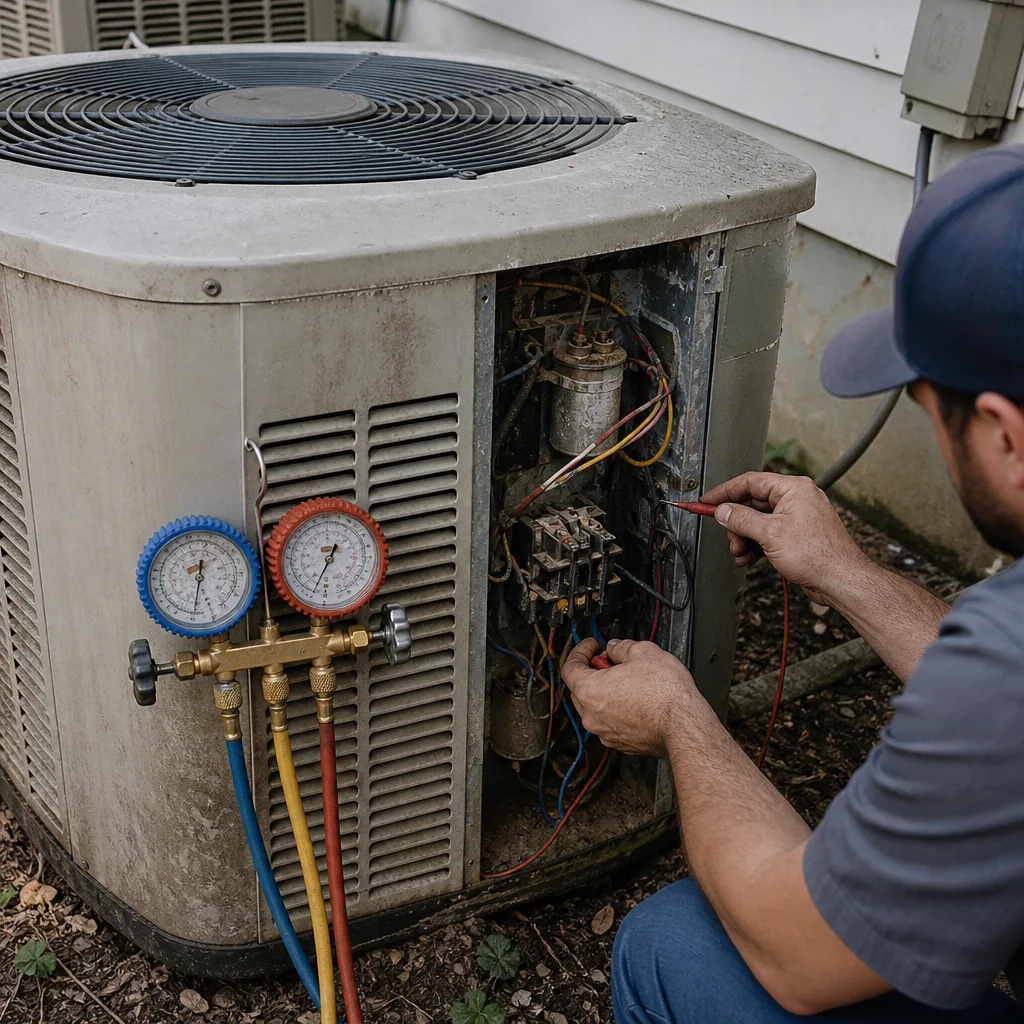 Before
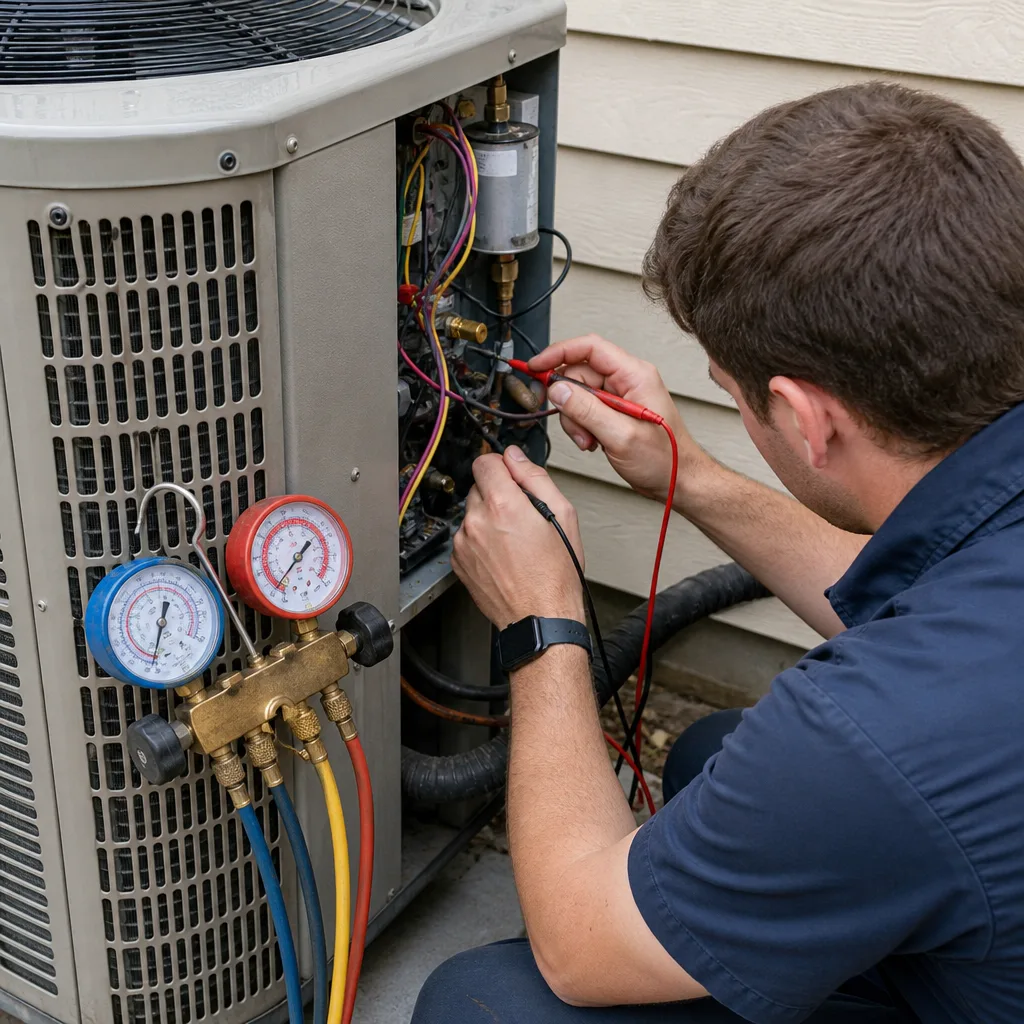 After
After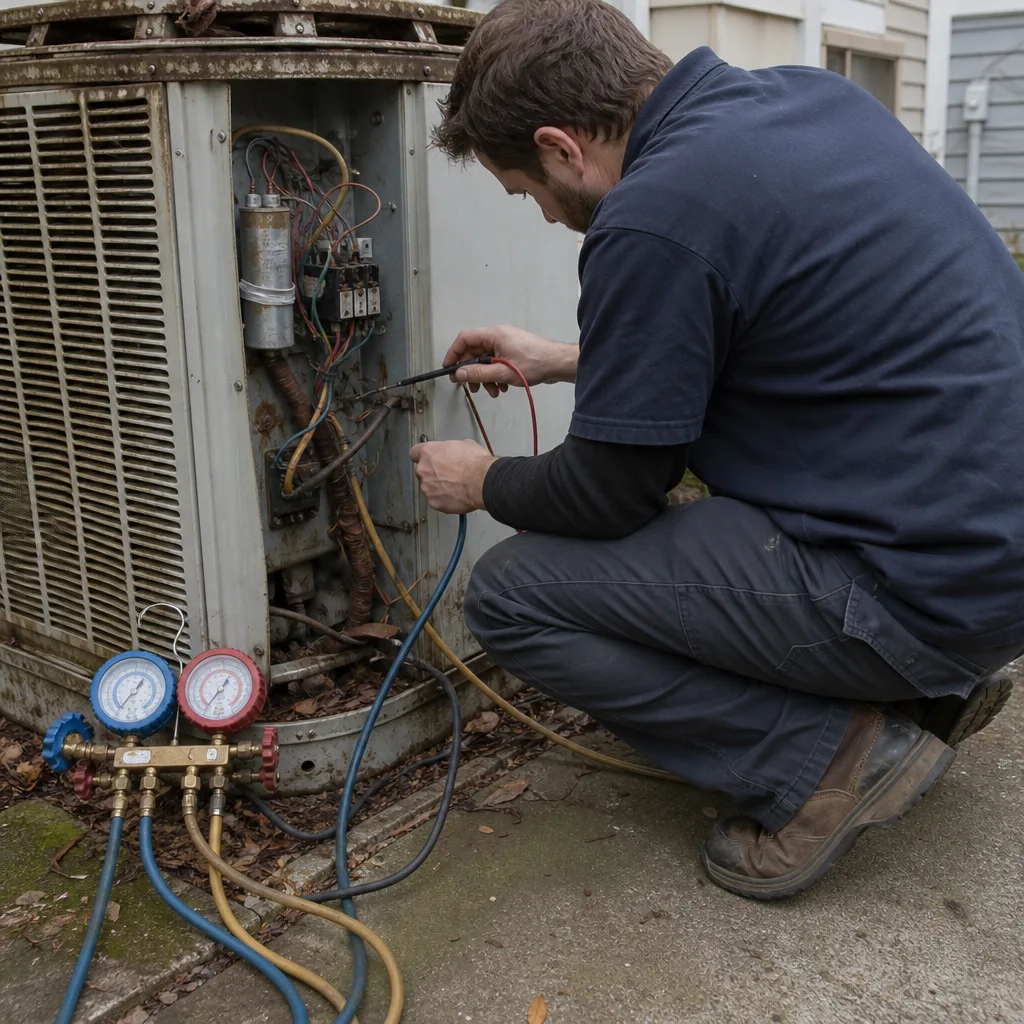 Before
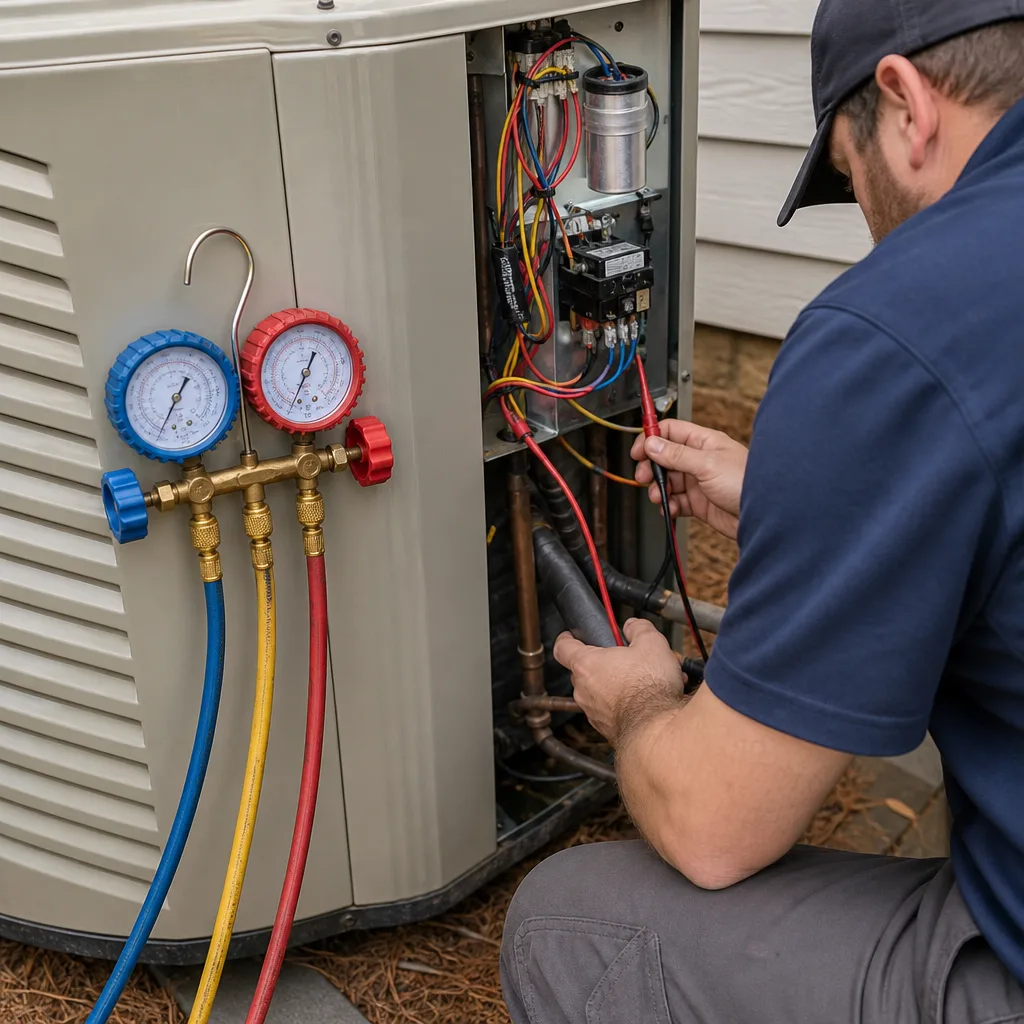 After
AfterWhen to Call a Professional
Some things homeowners can handle: changing a filter, clearing debris from around the outdoor unit, checking that the thermostat is set correctly. Everything else should be left to a licensed professional. If your system is blowing warm air in July, if the outdoor unit is making a grinding or buzzing sound, if the furnace is tripping the breaker repeatedly, or if you smell anything unusual coming from the vents, call someone. Attempting to replace a capacitor, a fan motor, or a circuit board without training risks electrical shock and equipment damage. Refrigerant handling is legally regulated and requires EPA certification. Furnace repairs involving gas lines require licensed technicians for safety and code compliance. Brandt HVAC Co Marietta offers free estimates in Marietta, call (478) 662-5175. Our technicians arrive in uniform, with a photo ID badge shown at the door, and with a name and photo sent to you before the visit, so you know exactly who to expect before you open the door. That’s the Threshold Verified standard that’s been part of how we operate since 2003.
Frequently Asked Questions
Most common HVAC repairs in Marietta run between $150 and $650 in 2026, with the majority falling in the $200-$400 range once the diagnostic fee is included. Simple repairs like capacitors and contactors sit at the low end, while blower motors and circuit boards push toward the higher end. For an exact quote on your specific system, call (478) 662-5175 for a free estimate.
The standard rule is the $5,000 rule: multiply the repair cost by the age of your system, and if the result exceeds $5,000, replacement is usually the better financial decision. A $600 repair on a 12-year-old system equals $7,200, which is approaching the cost of a new system. A $300 repair on a 5-year-old system equals $1,500, which makes repair the obvious choice. Age, efficiency, and the specific component that failed all factor in.
HVAC quotes vary because companies structure pricing differently. Some use flat-rate pricing with a margin built into every repair; some use time-and-materials where the final bill depends on the actual time taken. Some include permits and haul-away in system replacement quotes; some leave those as add-ons. Some companies carry more overhead and charge accordingly. The way to compare quotes on equal terms is to require line items: parts, labor, permit, and tax, with a written total.
It depends on the company. Some Marietta HVAC companies waive the diagnostic fee if you approve the repair; some apply it as a credit toward the repair; some charge it regardless of what you decide. The diagnostic fee should be disclosed on the phone before you book. A company that won’t tell you the fee until the technician arrives is one to be cautious about.
A complete AC system replacement in Marietta (condenser plus evaporator coil plus labor) typically costs $5,500 to $10,000 in 2026, depending on the efficiency rating, the brand, and the difficulty of the installation. For a full system that includes the furnace, expect $7,300 to $17,000. The brand (Carrier, Trane, Bryant, American Standard, and others) affects price less than the efficiency tier and the quality of the installation.
In most cases, yes. Common repairs like capacitors, contactors, flame sensors, and igniters can typically be completed the same day the technician visits, because the parts are commonly stocked on service trucks. Larger repairs like compressor or coil replacement usually require ordering equipment, which takes days. For same-day service on common repairs in the Marietta area, call (478) 662-5175 and a live person will answer, 24 hours a day, 7 days a week.
The Bottom Line
HVAC pricing in Marietta varies by hundreds of dollars for identical work, and the variance has less to do with the repair itself than with how each company structures its quote. Know what a diagnostic fee should cost, and whether it’s waived with a repair. Know the difference between flat-rate and time-and-materials, and which one protects you. Know the realistic price ranges for common repairs, what a full system should cost, and how to spot a padded line item. And most importantly, refuse to approve any work without a written price in hand. That one requirement, enforced without exception, will protect you from virtually every pricing problem this industry can throw at you. Furnace Repair in Marietta follows the same standard: written price, written guarantee, done right.
Written by Devin Marlowe, Owner at Brandt HVAC Co Marietta, serving Marietta since 2003.