
 AC repair
 Furnace & heating
 Heat pumps
 Ductless mini splits
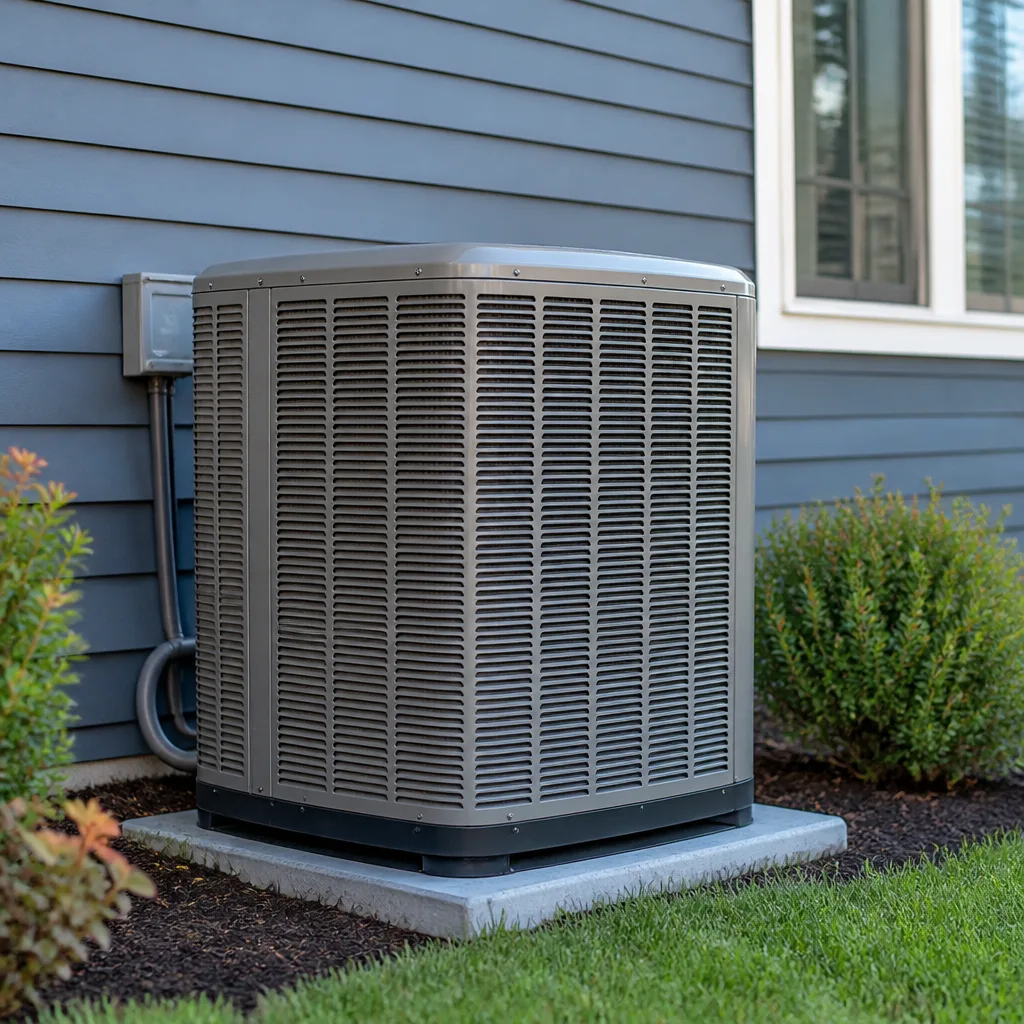 Carrier
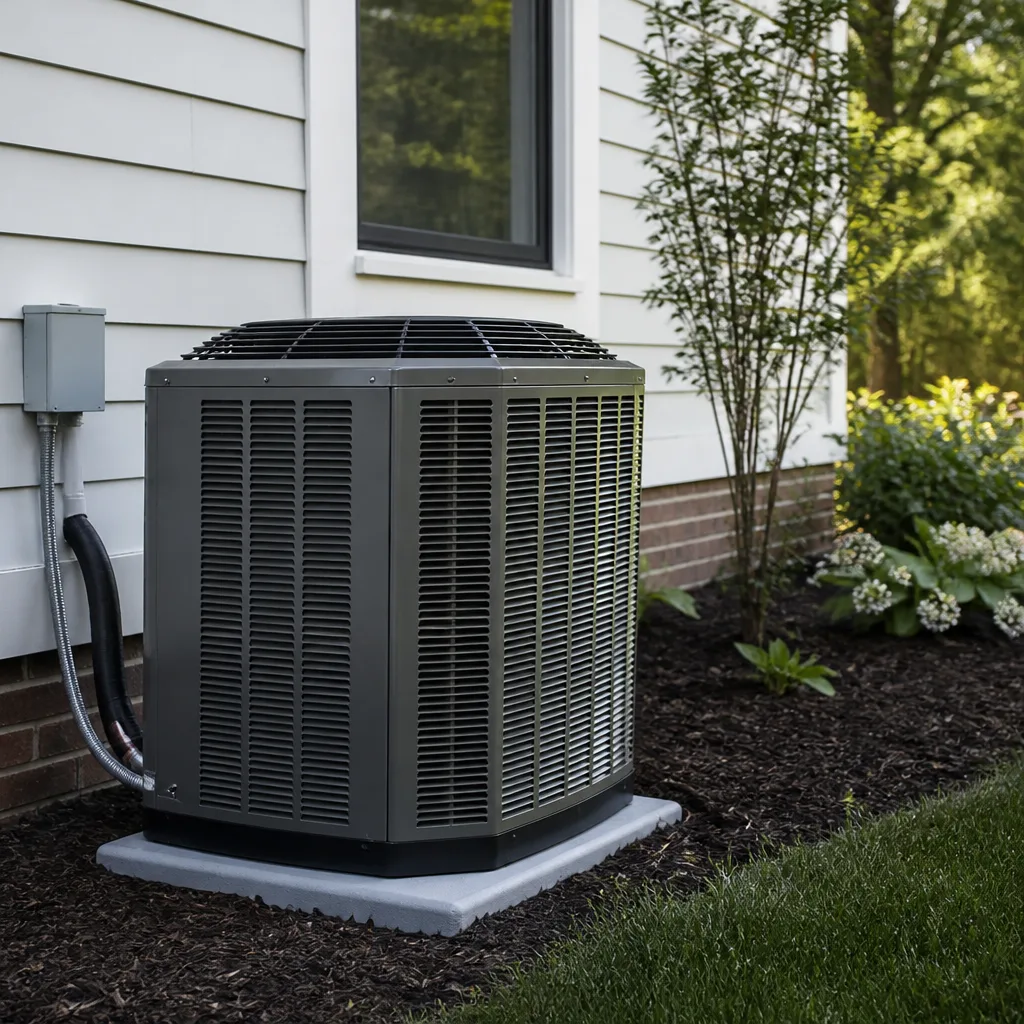 Trane
Trane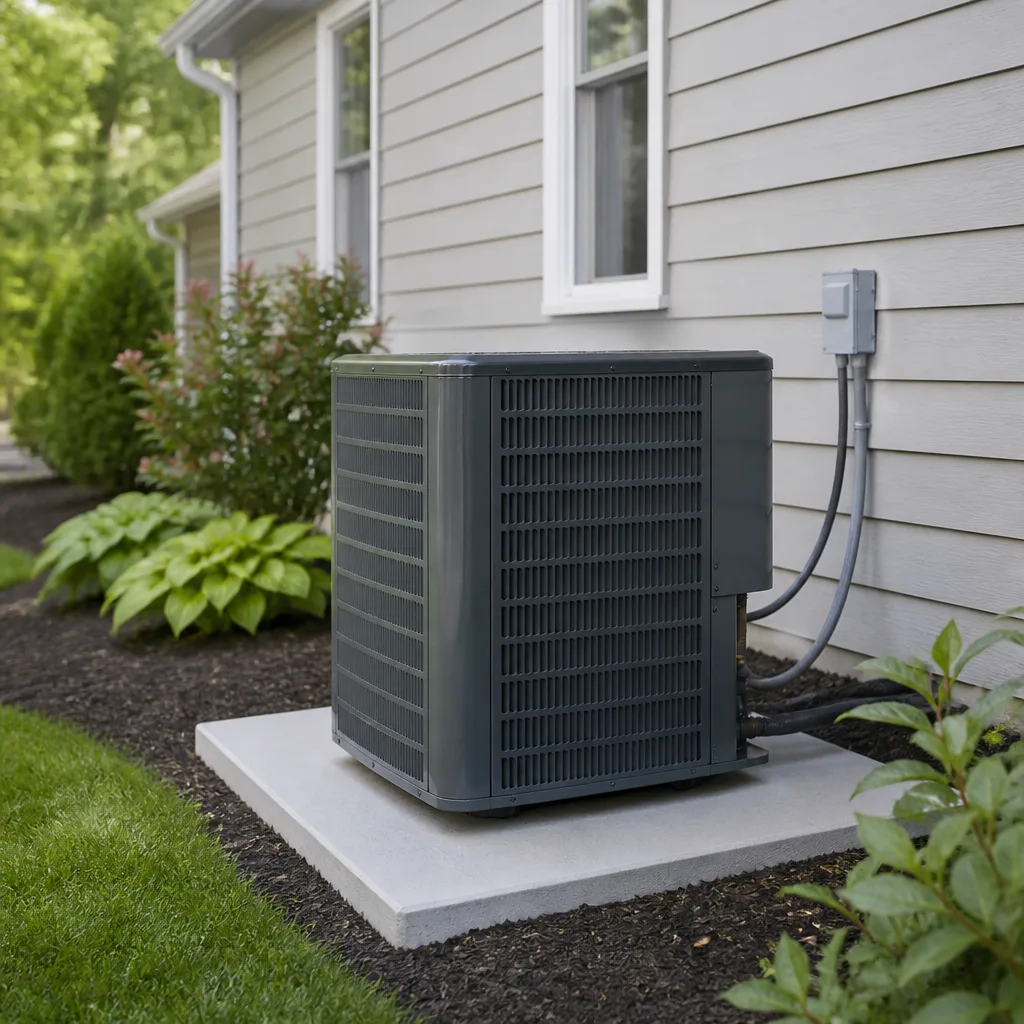 Goodman
Seasonal tune-up and full diagnostic on your Carrier, Trane, or Goodman system - readings shown to you before any repair is proposed
Diagnosis first, numbers second - you approve the repair price before a single part goes in.
Get your free estimateDaikin Capacitor Replacement: The Marietta Owner’s Guide
A Daikin capacitor replacement in Marietta typically runs $180 – $320 installed, parts and labor included. We stock Daikin-compatible capacitors on our trucks, so in most cases we can complete the swap the same day you call. What usually brings owners to this page is a Daikin unit that hums but won’t start, or an outdoor condenser that clicks and then goes quiet on a 92-degree afternoon. That click-hum pattern is the classic capacitor failure signature, and it’s one we see constantly from May through September in Cobb County.
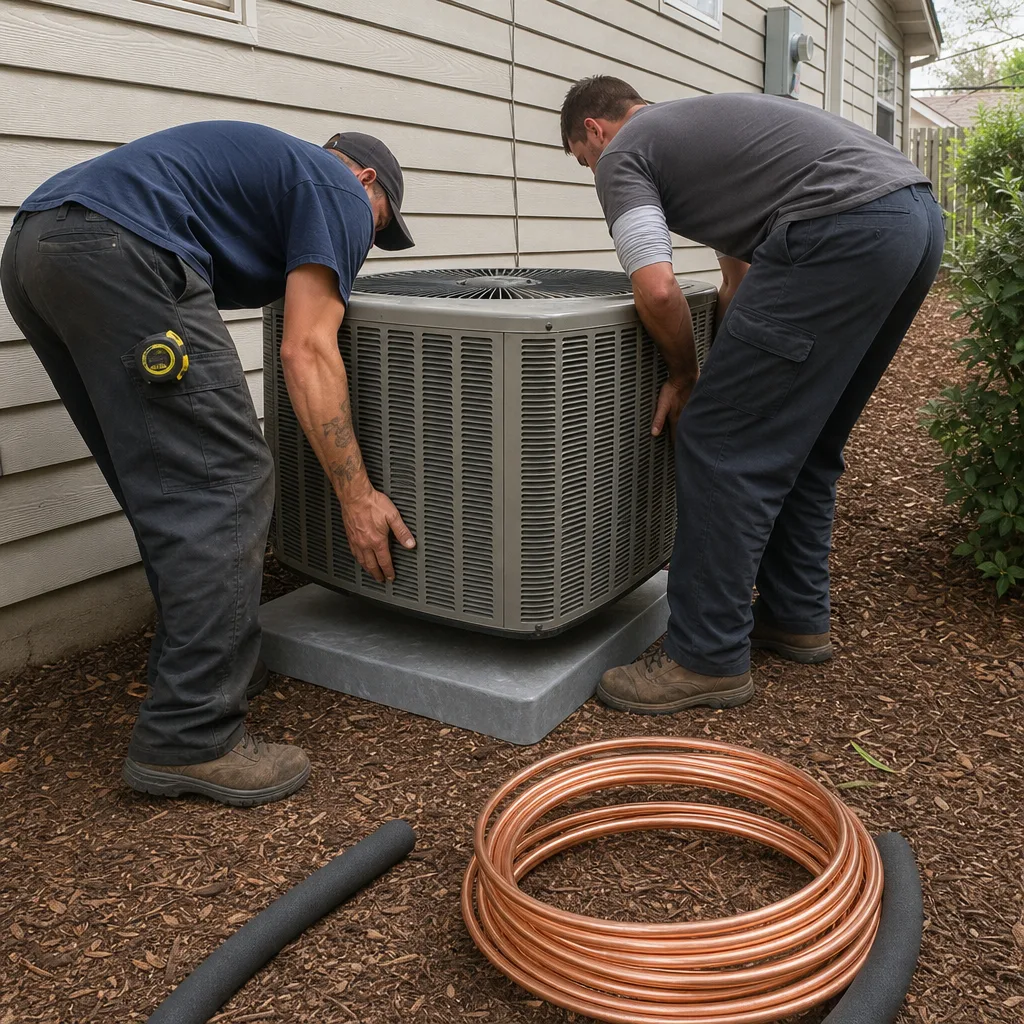
Here’s the good news: a capacitor is one of the least expensive parts in your Daikin system to replace, but a failed one will stop the whole machine cold. Getting it sorted quickly is the difference between a $250 repair and a $400 weekend emergency call. We’ll walk you through what this part does, what it costs to replace it here in Marietta, and how to tell if yours is on its way out before it quits entirely.
Which Daikin Models This Applies To
Daikin uses dual-run capacitors (one can, two ratings printed on the side) across most of their residential split systems, including the popular DZ, DX, and FTX series condensers. The rating you’ll see stamped on the side looks like “35/5 µF 370V” or “45/5 µF 440V” – those numbers matter more than the model number when it comes to matching the right part. The first number runs the compressor, the second runs the condenser fan motor, and the voltage rating tells you the insulation ceiling.
Here’s a compatibility gotcha we run into regularly working the older neighborhoods off Kennesaw Avenue: a 370V capacitor will physically fit where a 440V belongs, and it’ll even start the unit. But it’ll run hot and fail again in a season or two. Daikin specifies 440V on most of their newer outdoor units, and substituting a lower voltage rating because it’s cheaper is exactly the kind of shortcut that leads to a dead unit in August. We match both microfarad ratings and voltage exactly, every time.
On the OEM-vs-aftermarket question: Daikin OEM capacitors are solid, but they’re not magic. Quality aftermarket equivalents from brands like AmRad and Titan HD are often what we install because they’re built with thicker metallized film internally, which handles Georgia’s heat-cycling better over the long haul. The honest truth is that a quality aftermarket cap with the correct ratings will typically outlast a factory Daikin cap by two to three years in this climate. We stock both and will show you the label on whatever we’re installing before it goes in.
Styles & brands we work with
Signs Your Daikin Capacitor Replacement Is Failing
- Humming with no start. You hear the compressor try to engage, but the fan never spins up and the unit just sits there humming. That’s the capacitor unable to deliver the starting jolt the compressor needs. Left in this state, the compressor overheats and can permanently fail.
- Clicking at the condenser, then nothing. The unit tries to start, the contactor clicks, and then silence. The capacitor’s stored charge is gone. This is the symptom we hear most often on Monday mornings after a hot weekend.
- Fan spinning slow or not at all while the compressor runs. The compressor side of the capacitor still works, but the fan side has died. This can overheat and kill a Daikin compressor in less than an hour in a Marietta heat wave. If you see this, shut the unit off at the breaker and call us.
- Bulging or leaking capacitor body. If you’re comfortable taking the side panel off your condenser, a capacitor that looks swollen at the top, has rust bleeding through the label, or is leaking oil is dead or dying. That swelling is internal pressure from heat damage.
- Hard-starting when it does run. The unit eventually starts, but it takes longer than it used to and the lights in the house dim briefly when it kicks on. That’s a capacitor that’s fading but not yet dead. We’d rather replace it on a Tuesday for $200 than on a 95-degree Saturday, and so would you.
See the difference
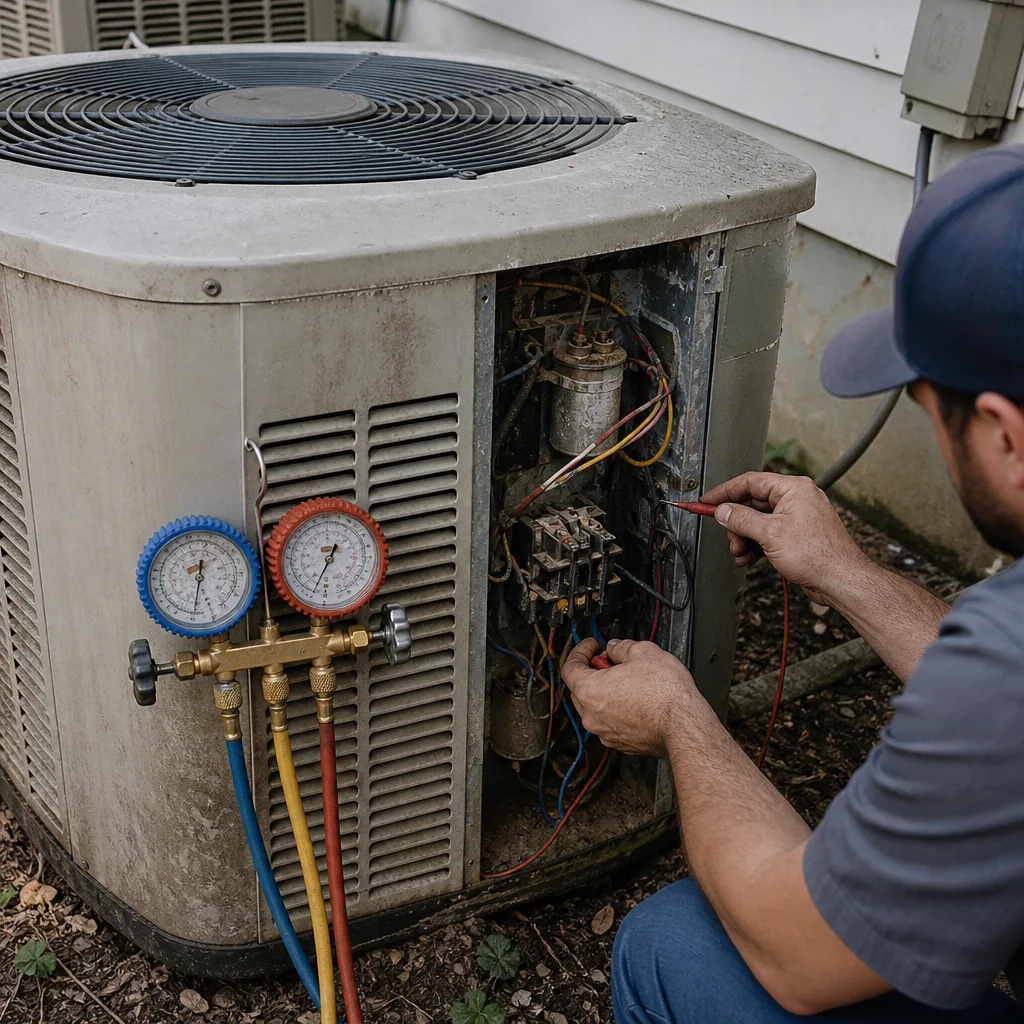 Before
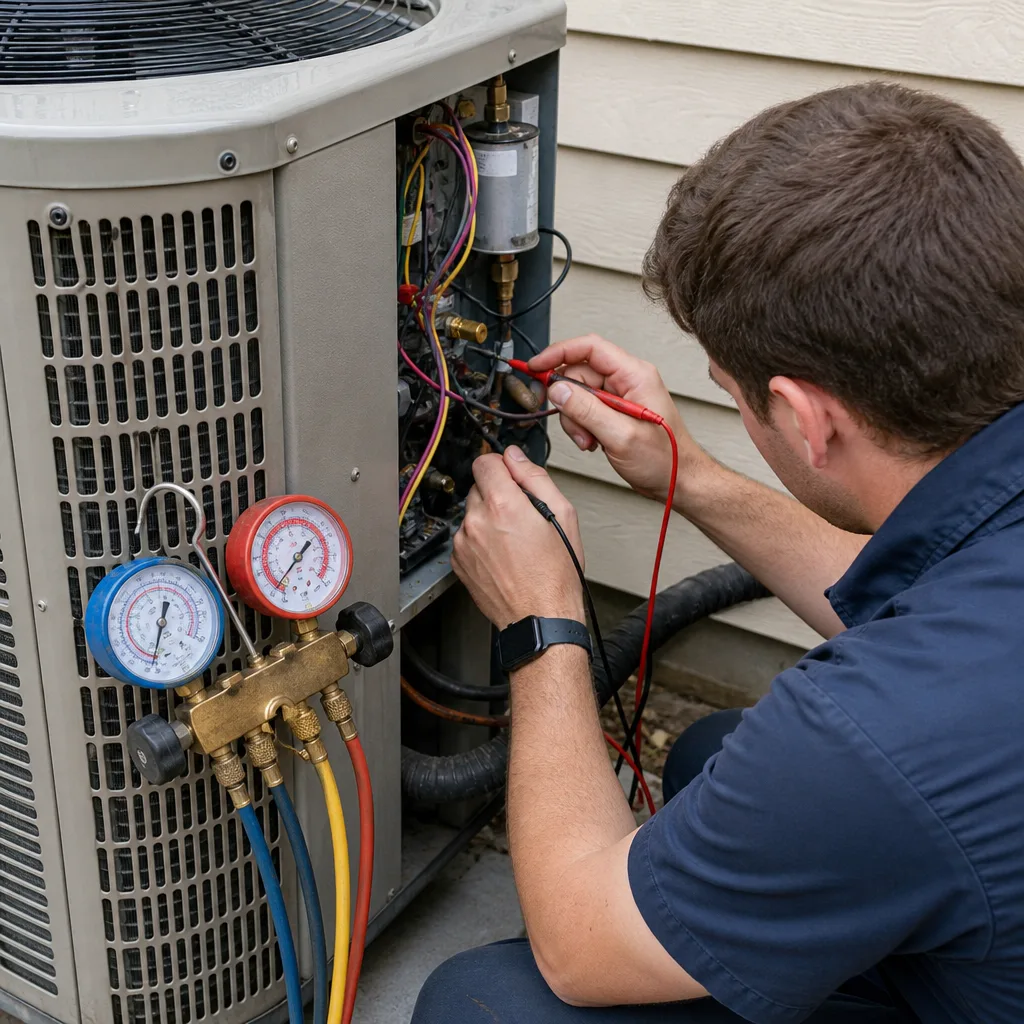 After
After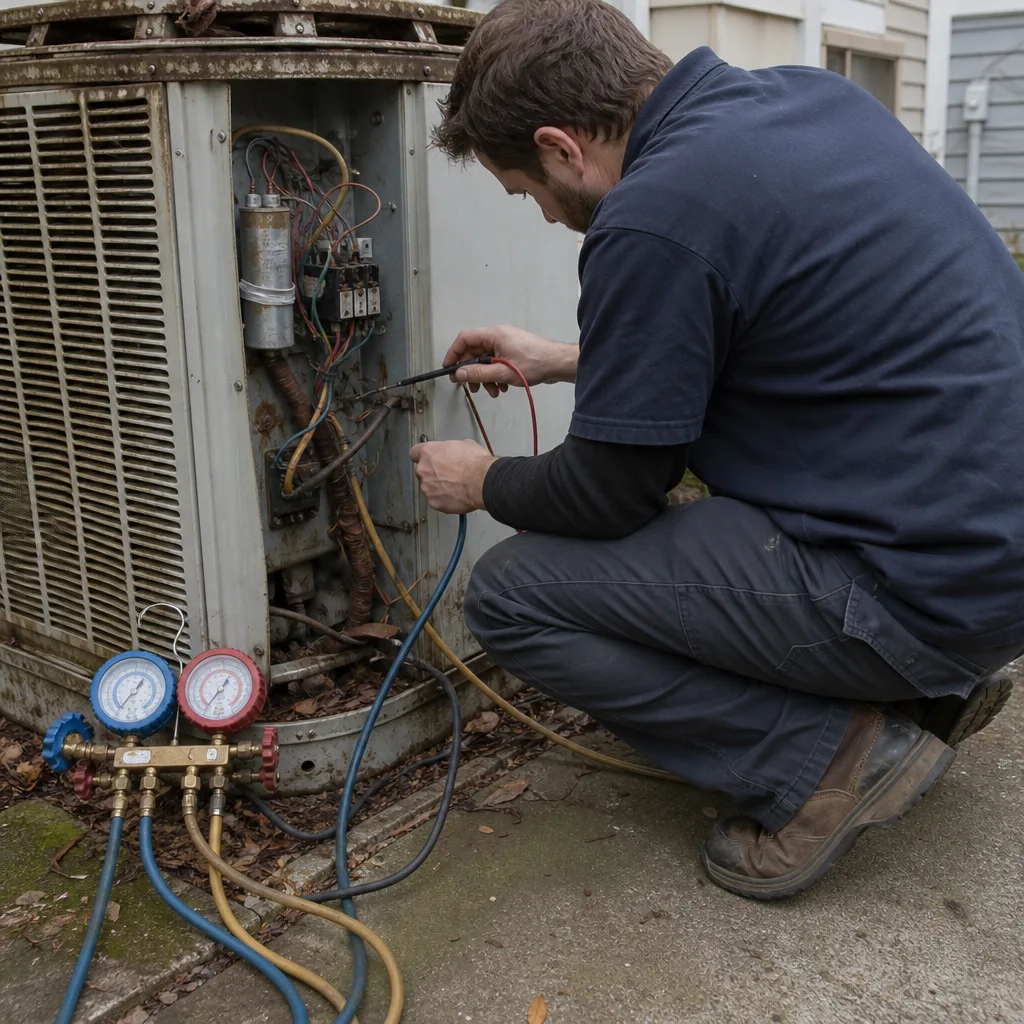 Before
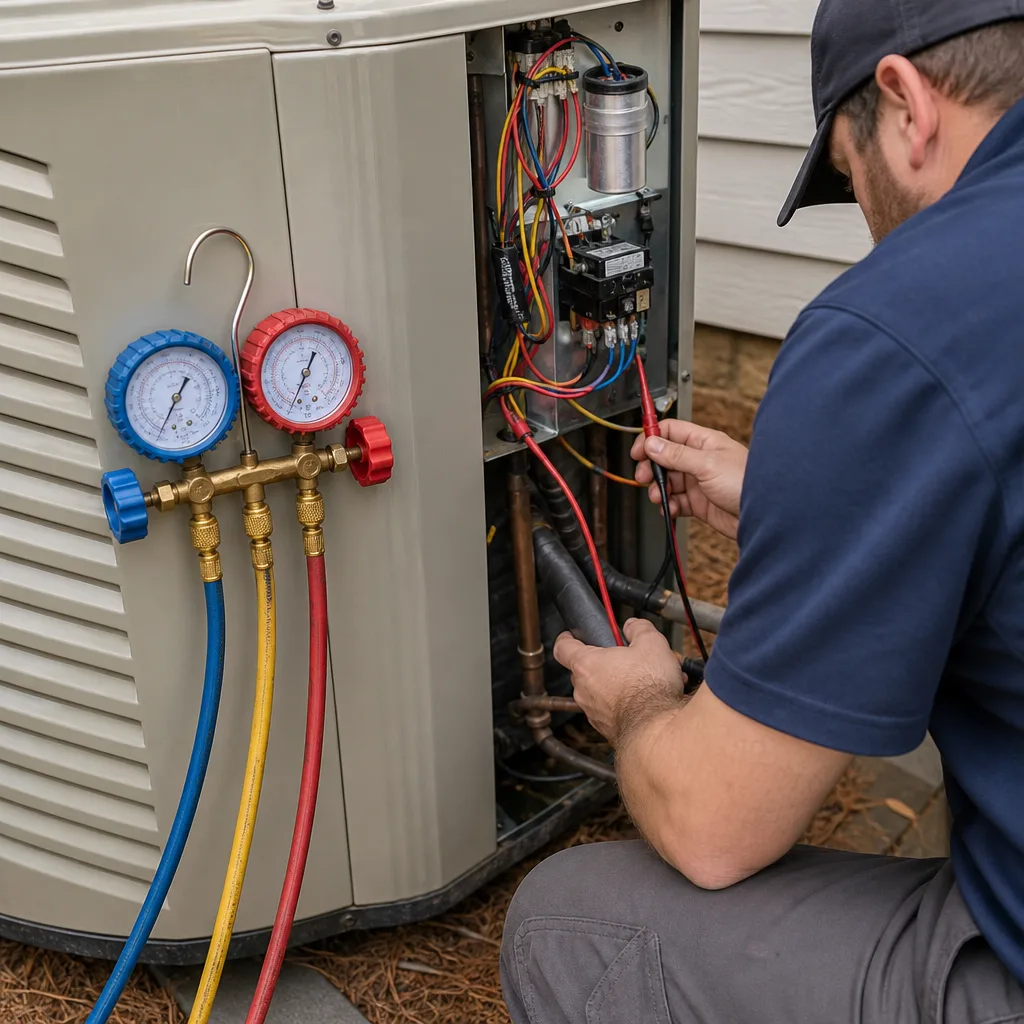 After
AfterReplacement Cost & What’s Included
Most Daikin capacitor replacements in Marietta run $180 – $320 all-in, with the majority landing around $220 – $260. That includes the part, the labor, the diagnostic check to confirm the capacitor is actually the problem (not a bad contactor or a tripped breaker), and testing the compressor’s amp draw before and after the swap to make sure nothing else is going on back there.
What drives the price within that range is mostly the capacitor spec. A basic 35/5 µF replacement on a smaller Daikin unit sits at the lower end. A 45/5 µF or a larger unit that requires a 55/5 µF or a turbo-style capacitor sits higher, both because the part costs more and because we test more thoroughly on bigger equipment. Every capacitor replacement gets a written price before we touch a screwdriver, and the whole repair is covered by our 365-Day Done Right Promise: if that capacitor fails within a year, we come back and replace it at no charge. No argument, no fine print, no trip fee.
DIY or Call Us?
Here’s the straight answer: a capacitor stores enough electrical charge to hurt you seriously even with the power off. That’s not scare talk, it’s just the physics. The capacitor inside your Daikin condensing unit can hold a lethal charge long after the breaker is flipped. There is a safe way to discharge one, and there’s an unsafe way, and the difference isn’t obvious unless someone has shown you. That’s the number-one reason we tell homeowners not to open the electrical compartment on an AC condenser.
What you can safely do is check the easy stuff first: confirm the breaker isn’t tripped, make sure the thermostat batteries aren’t dead, and verify the outdoor disconnect switch is actually on. If all of that checks out and the unit still hums or clicks without starting, that’s the point to call us at (478) 662-5175. We’ll send a background-checked, uniformed technician to your door with his name and photo sent to you before he arrives, a photo ID badge shown at the door, and a written quote in his hand before any work begins. Devin Marlowe built this company on straight diagnostics: tell us what the unit is doing, and we’ll tell you what it needs.
Frequently Asked Questions
In our experience working the Kennesaw Avenue corridor and the older subdivisions around Marietta Square, a Daikin capacitor lasts 5 to 8 years in Georgia’s climate, with most failures happening between years 6 and 8. The constant heat-cycling of our long summers is what kills them. Capacitors fail faster in units that run hard, so if your Daikin runs 10+ hours a day in July and August, plan on replacing this part once during the life of the unit, sometimes twice. Call (478) 662-5175 for an exact quote on your unit, estimates are free.
No. A capacitor is a sealed component, and once the internal dielectric breaks down, the entire part is done. There is no repair path, and no honest technician would attempt one. The only choices are replacing it with a correctly rated capacitor or letting the unit sit dead, which will eventually damage the compressor. Replacement is the cheaper path by a wide margin.
Most capacitor replacements take 45 minutes to an hour, including diagnostic testing before the swap and verification after. The actual part change is 15 to 20 minutes. We test the compressor amp draw before and after, because a capacitor failure can mask an underlying compressor issue, and we never leave until the unit starts clean and runs steady.
Yes. Our trucks in Marietta carry the most common Daikin replacement capacitor specs: 35/5, 40/5, 45/5, and 50/5 µF at both 370V and 440V, in OEM Daikin and quality aftermarket options. We also stock capacitors for Carrier, Trane, and Lennox units, so if you have a mixed system, we’re covered. In the rare case your unit needs a spec we don’t have on board, we get it same-day from our local supplier and schedule the install right away.
Written by Devin Marlowe, Owner, Brandt HVAC Co Marietta at Brandt HVAC Co Marietta, serving Marietta and nearby areas.
Need a Daikin capacitor replaced today? Call (478) 662-5175 for a free estimate. A live person answers 24/7, and we’ll send you the technician’s name and photo before he arrives.