
 AC repair
 Furnace & heating
 Heat pumps
 Ductless mini splits
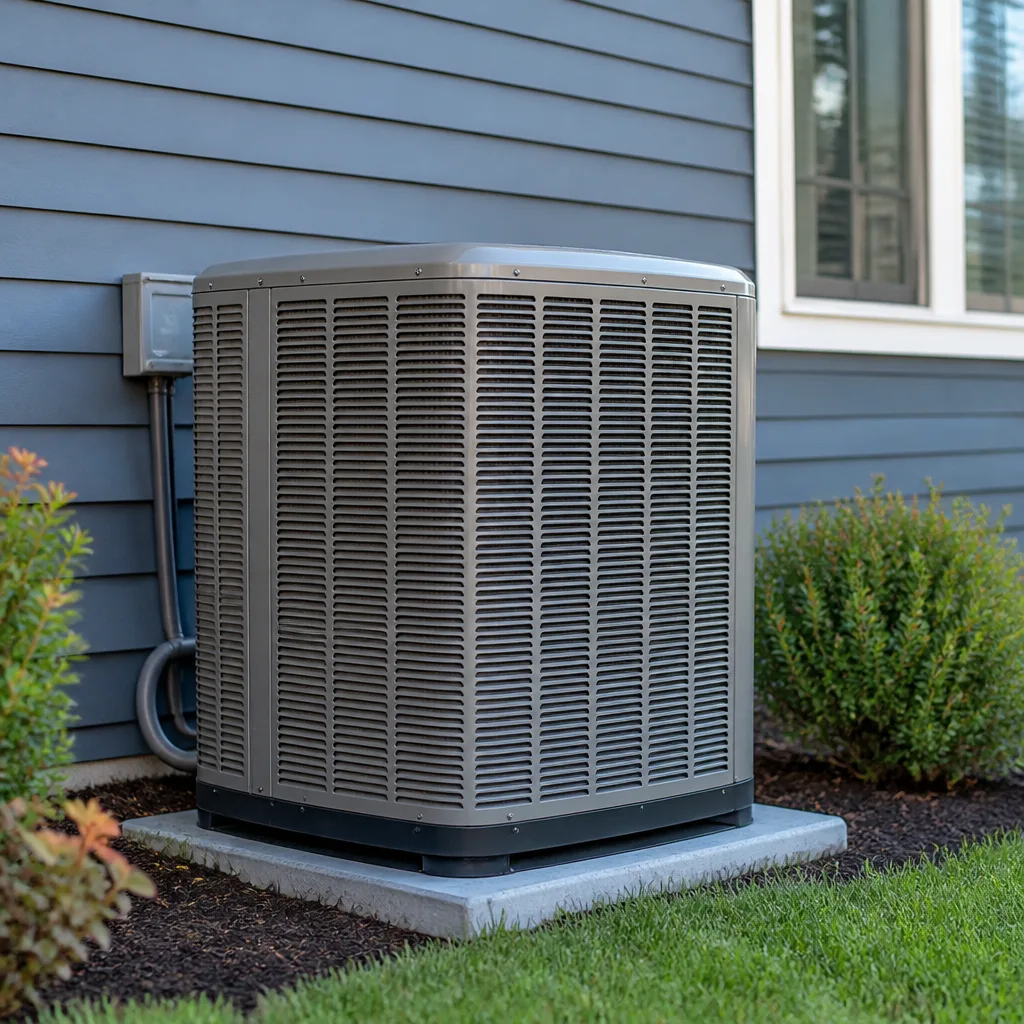 Carrier
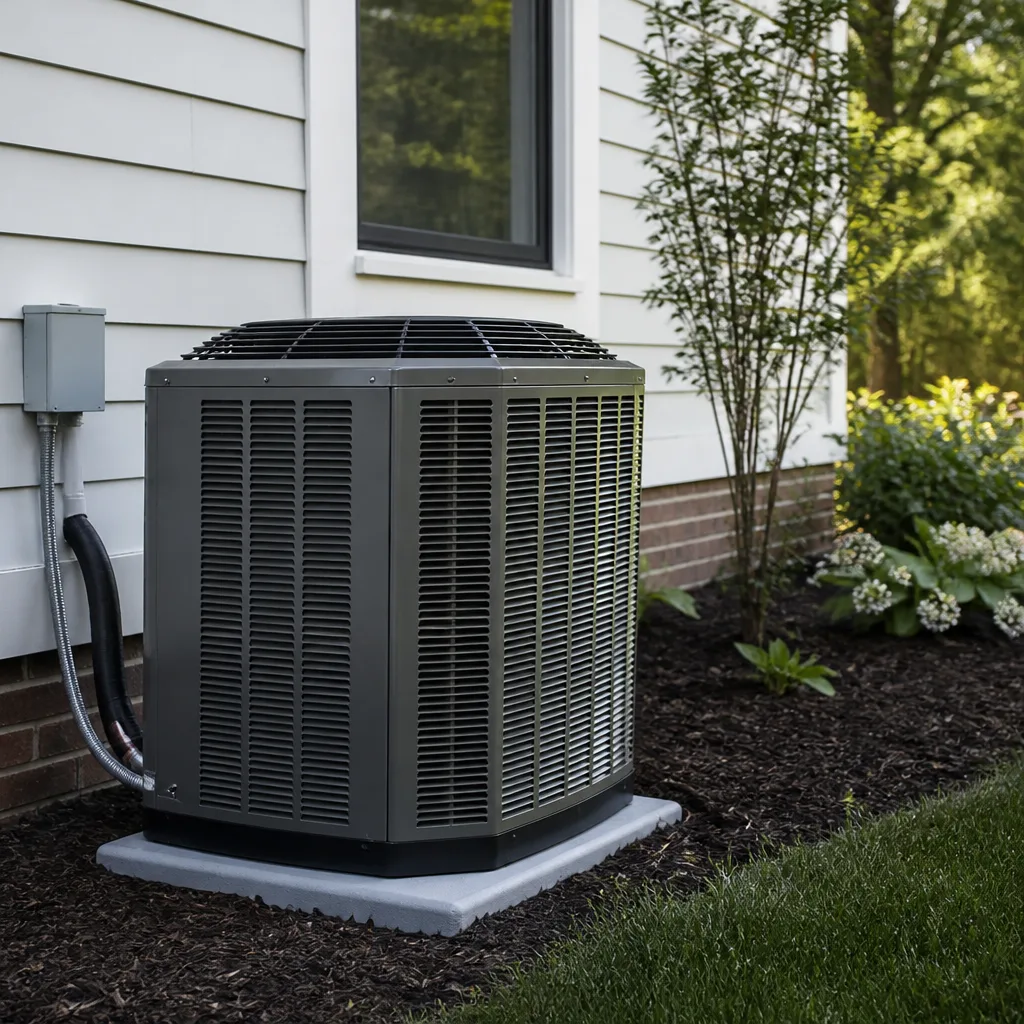 Trane
Trane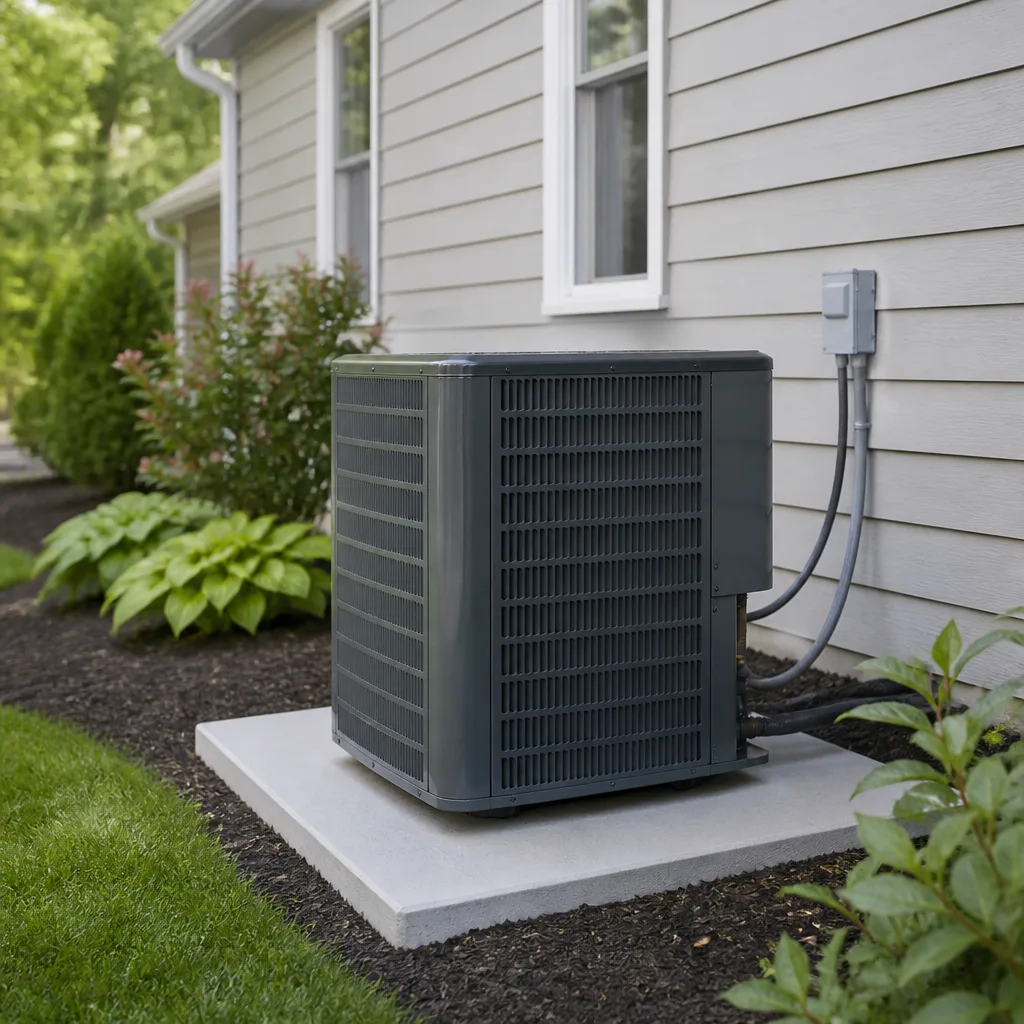 Goodman
Seasonal tune-up and full diagnostic on your Carrier, Trane, or Goodman system - readings shown to you before any repair is proposed
Diagnosis first, numbers second - you approve the repair price before a single part goes in.
Get your free estimateCarrier Ductwork Repair: The Marietta Owner’s Guide
We stock and install Carrier-compatible ductwork repair materials in Marietta, and most jobs run between $300 and $1,100 depending on the size of the run and what failed. We can usually have a technician out the same day or next day, and you’ll get a written price before anything gets touched. Most homeowners find out their ductwork is failing the slow way: a room that never cools right, a spike in the July power bill, or dust showing up on furniture days after you cleaned it.
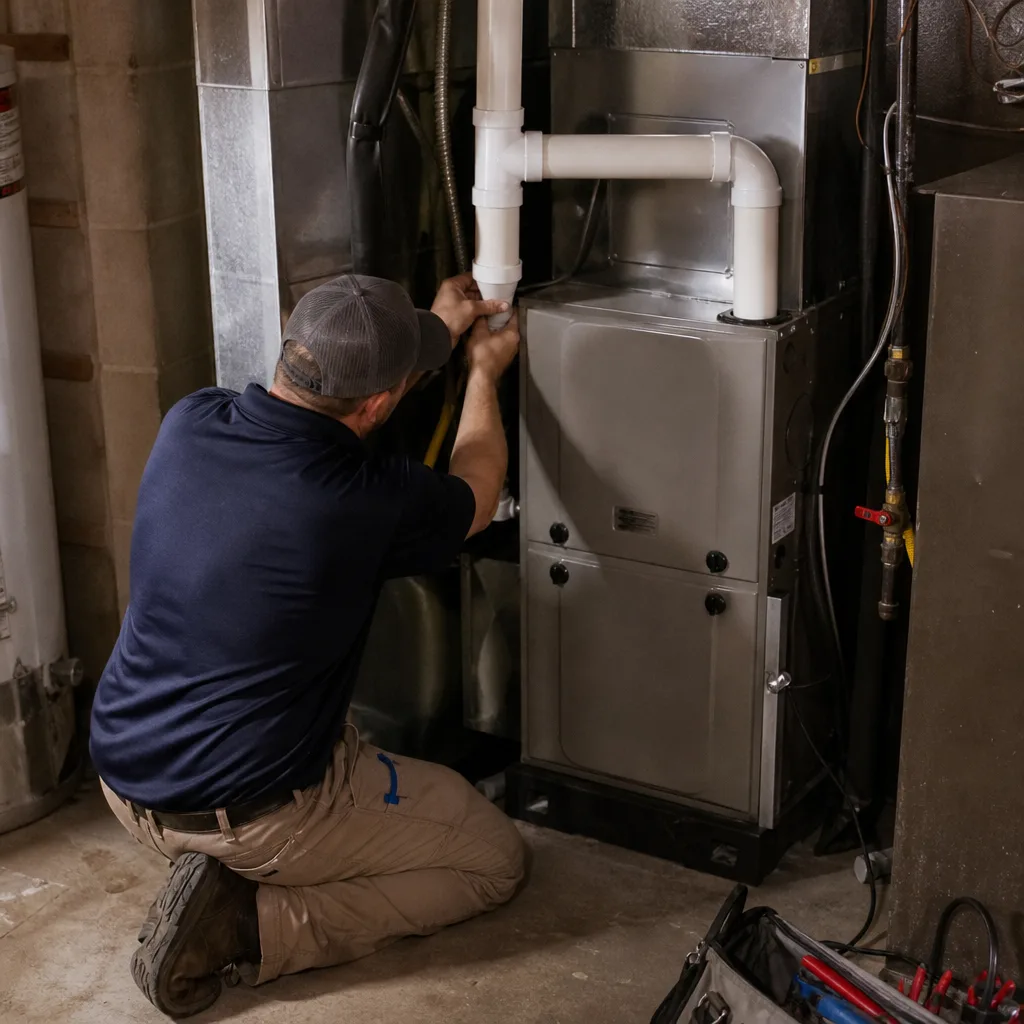
Ductwork is the delivery system for everything your Carrier unit does. When it leaks, tears, or collapses, you’re paying to condition air that never reaches the rooms you live in. In Marietta’s humidity, failed ducts also pull attic air into the system, which means moisture, insulation dust, and whatever else is up there gets circulated through the house. Devin Marlowe and our crew have cut open enough ductwork in this town to know exactly what Georgia heat and humidity do to it over time.
Key Takeaways
- Carrier ductwork repair in Marietta typically runs $300 – $1,100 installed, depending on access and how much of the run needs replacing
- Same-day or next-day service is usually available, and the repair includes a written guarantee
- We use rigid galvanized duct, flex duct, and mastic-sealed connections that match your Carrier system’s airflow requirements
- OEM Carrier duct components are available, but quality aftermarket equivalents often cost 30 – 50% less without any performance difference
Which Carrier Models This Applies To
Ductwork isn’t model-specific the way a control board or blower motor is. Your Carrier air handler or furnace moves air, and the ducts are sized to match the tonnage of the system and the layout of the house. That said, there are real compatibility considerations. Carrier systems with ECM variable-speed blowers, common in Infinity and Performance series units, are more sensitive to duct pressure than older single-stage units. If a repair flattens airflow or introduces restrictions, the blower works harder and can throw fault codes.
The practical question is what your existing ductwork is made of. Older Marietta homes, especially ranches and split-levels built between the 1960s and 1980s, often have rigid galvanized duct with taped seams. Tape degrades, the seams open, and conditioned air spills into unconditioned attics and crawl spaces. Newer construction tends to use flex duct, which is quiet and easy to route but vulnerable to kinks, tears, and rodent damage. Our technicians identify what you have, measure the diameter and run length, and match the repair to your Carrier system’s airflow spec. One gotcha worth knowing: Carrier technical documentation assumes a specific static pressure range. Undersized patch jobs or wrong-diameter flex sections will quietly shorten blower motor life, even if the air feels fine at the vent.
For OEM versus aftermarket, the honest answer is this: Carrier-branded duct fittings and flexible duct exist, but they’re manufactured to the same R-value and material standards as reputable aftermarket equivalents. We stock both, and we’ll tell you what makes sense. For the majority of ductwork repairs, a quality aftermarket flex duct with an R-8 insulation jacket performs identically to the Carrier-labeled product at a meaningfully lower price.
Styles & brands we work with
Signs Your Carrier Ductwork Repair Is Failing
- A room that never reaches the thermostat setting. The most common sign in Marietta’s summer. A disconnected or crushed duct means the air never gets there, so the room lags 5 – 10 degrees behind the rest of the house. Your Carrier system keeps running longer, trying to satisfy a thermostat it can’t win against.
- Dust accumulation days after cleaning. When return ductwork leaks in an attic, it pulls in insulation fibers and dust that then blow through every vent. If you’re wiping the same surfaces twice a week, the leak is usually on the return side of the system.
- A whistle or fluttering sound from the vents. Air escaping through a small seam or hole under pressure makes audible noise. A fluttering sound usually means a section of flex duct has come loose from its collar and the inner liner is moving as air passes over it.
- Higher July and August bills without higher usage. Leaky ductwork can lose 20 – 30% of conditioned air before it reaches the rooms. Your Carrier unit works fine. The ducts are wasting what it produces. In Georgia, this shows up fast on a Georgia Power statement.
- Musty or attic-like smell from the vents. When ductwork leaks on the return side, it draws in unconditioned, humid attic air. That moisture feeds mold in the duct insulation and produces the distinct smell homeowners describe as “old house” or “attic smell” coming from floor registers.
Replacement Cost & What’s Included
Ductwork repair in Marietta runs a wide range because the work varies so much. A simple tear in an accessible flex duct section might take 45 minutes and cost $300 – $450 parts and labor. Replacing a collapsed trunk line running the length of a hot attic could push toward $1,100 or slightly more if we’re working around old knob-and-tube wiring or cramped joist bays. Here’s the breakdown of what drives the price:
- Access. Attics with plywood decking and room to work are fast and affordable. Crawl spaces with 18 inches of clearance add time.
- Material. Rigid galvanized duct with sealed seams costs more than flex duct. Both are correct in different applications.
- Length of the run being repaired. Longer runs mean more material and more connection points to seal.
- Damage to associated components. Collapsed ducts sometimes pull collars off the plenum or damage the boot at the register.
Every repair we write up includes parts, labor, cleanup, and a written guarantee. The work is sealed with mastic and foil tape, not duct tape, and we test static pressure before we leave. If something fails within the guarantee period, we return free of charge under the 365-Day Done Right Promise. No arguments, no second invoice.
See the difference
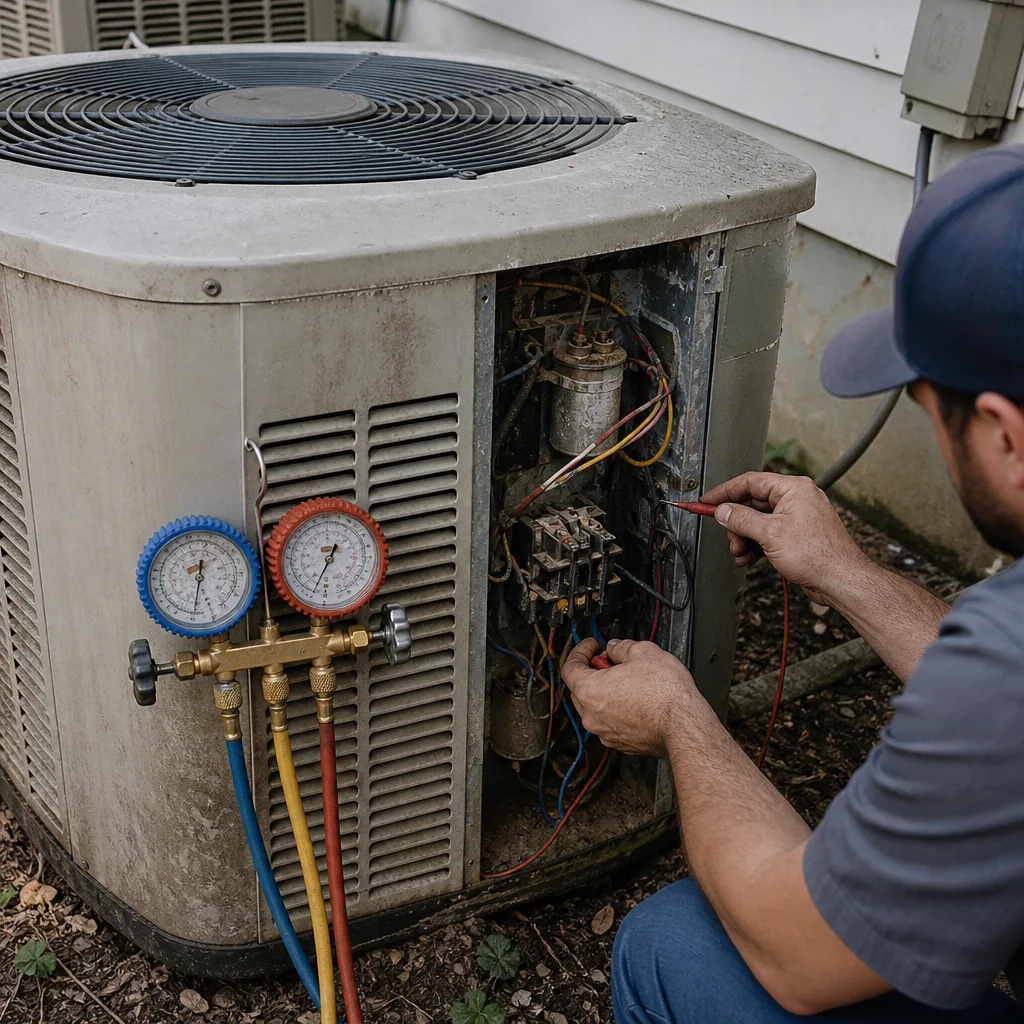 Before
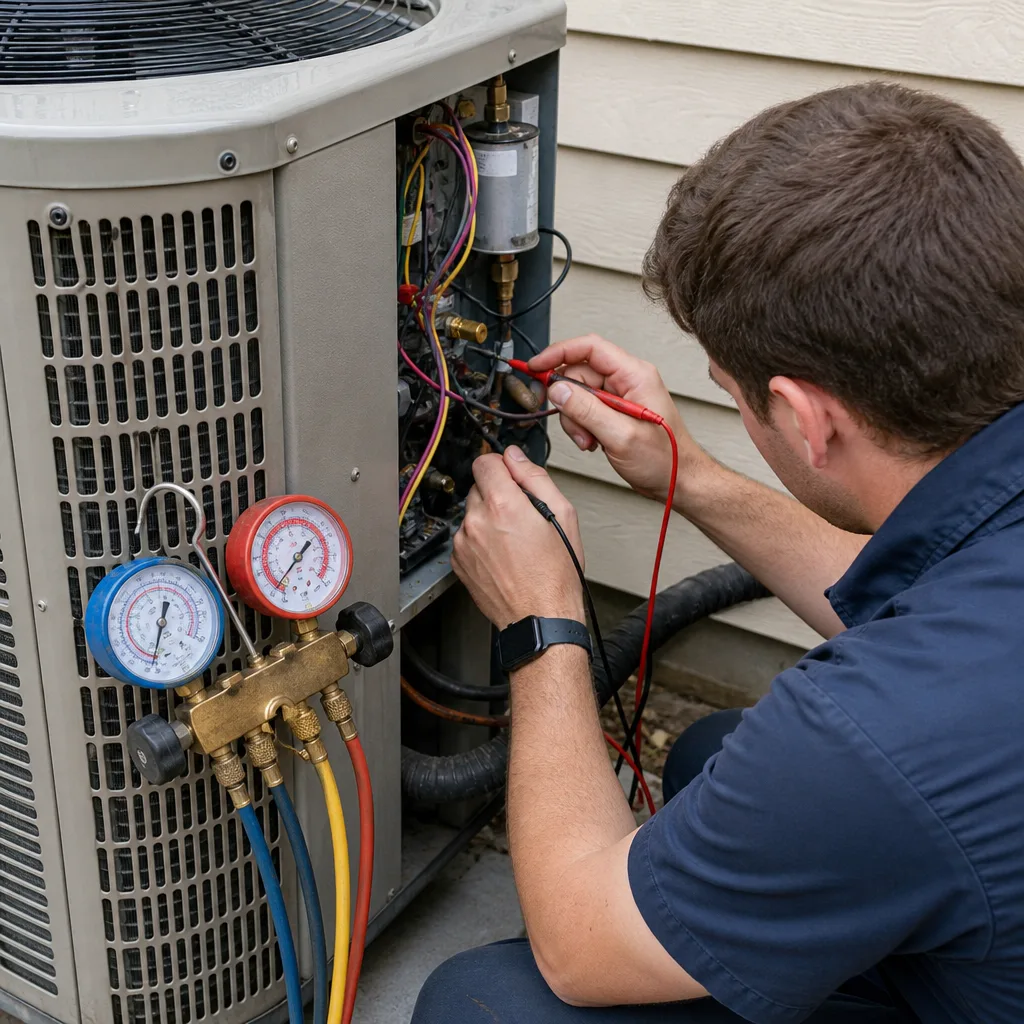 After
After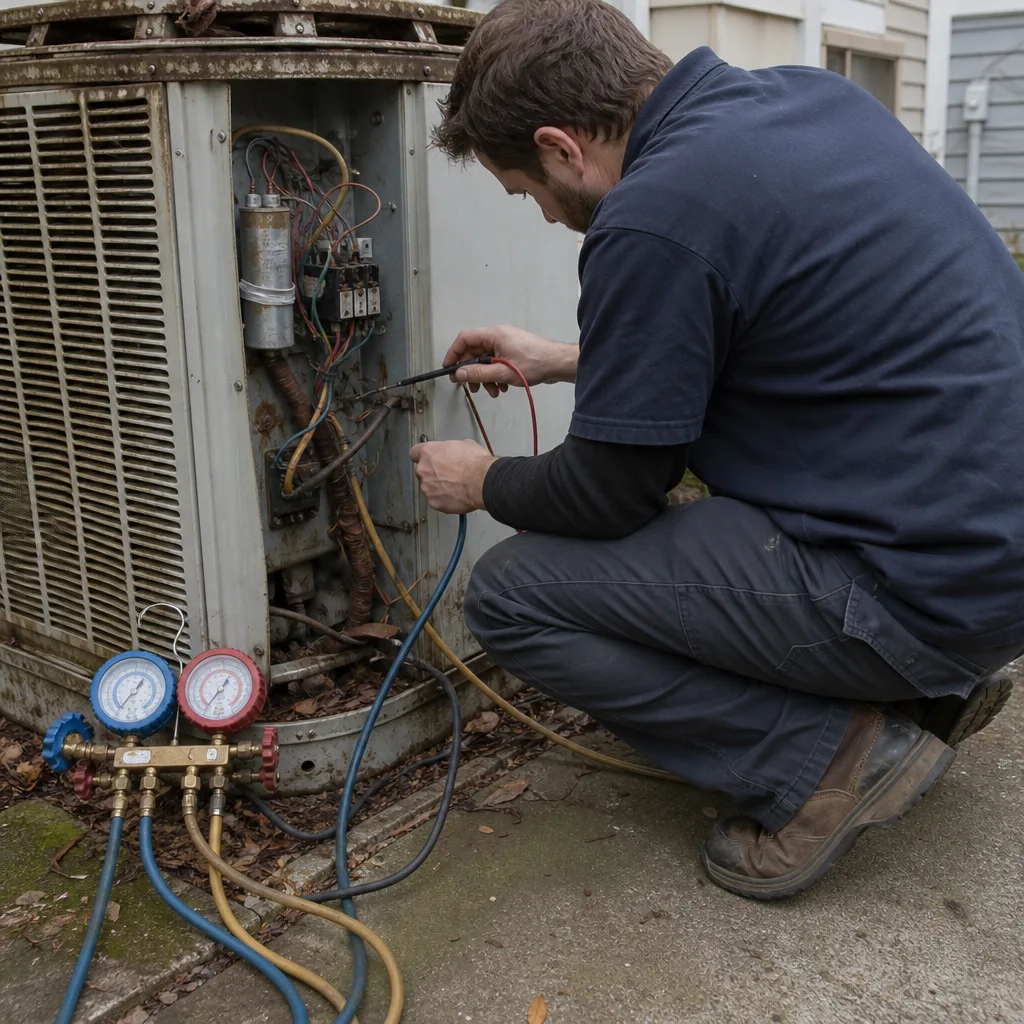 Before
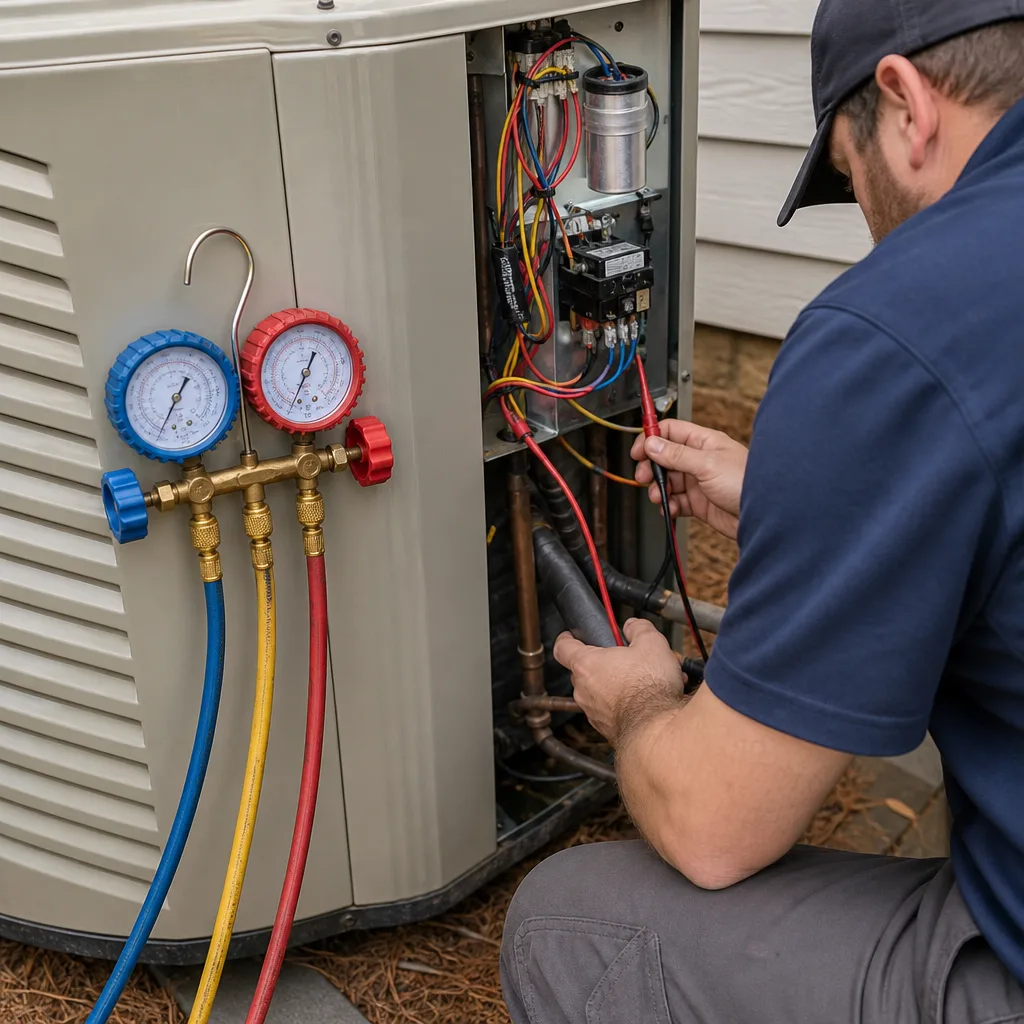 After
AfterDIY or Call Us?
Ductwork repair carries one significant safety consideration most homeowners don’t think about: you’d be working in a Marietta attic that can hit 130 degrees by mid-afternoon in July, or a crawl space with wildlife and limited oxygen movement. Heat exhaustion on a ladder or collapsed fiberglass underfoot are real risks we deal with by training our technicians on confined-space and heat awareness. We don’t recommend DIY duct repair in unconditioned attics during Georgia summers.
Small inspection tasks are reasonable for a careful homeowner: check visible duct joints in a conditioned basement for separated tape, listen for the whistle at the vents, note which rooms underperform. That information helps our technician diagnose faster. But the repair itself, which means cutting, sizing, fitting, and sealing under real working conditions, is a job for someone with the right tools and the right insurance. If you’d rather spend a Saturday doing anything other than sweating through drywall dust in an attic, call (478) 662-5175. We’ll come look, tell you exactly what’s failed, and hand you a written price before anything gets cut.
FAQs
Flex duct in a Marietta attic typically lasts 15 – 20 years before insulation degrades and the inner liner becomes brittle; rigid galvanized duct can last 40 years or more if the seams stay sealed. Humidity, attic heat cycling, and rodent activity are the three big shorteners of duct life in this area.
In many cases, yes. Isolated tears, separated seams, crushed flex sections, and failing connections can be repaired section by section without replacing entire runs. We recommend replacement when the insulation jacket has degraded to the point that condensation forms on the outside of the duct during the cooling season and drips onto attic insulation or ceiling drywall.
Most repairs in Marietta take 2 – 4 hours from arrival to cleanup. Longer runs in tight attics or crawl spaces, or repairs requiring new collars at the plenum, can extend to a full day. We’ll give you a time estimate with the written price before work starts.
Our trucks carry flex duct in the most common diameters, galvanized fittings, collars, mastic, and foil tape, so most repairs are completed in a single visit. If your system needs a non-standard size or a specialty fitting, we source it locally and schedule the follow-up, usually within 48 hours. We also keep parts for Trane and Lennox systems on hand for multi-brand households.
Contact
If your Carrier system is moving air but the rooms aren’t getting it, call (478) 662-5175 for a free estimate. A live person answers the phone around the clock in Marietta, and you’ll know the cost before any work begins. Tell us what it’s doing, and we’ll tell you what it needs.
Written by Devin Marlowe, Owner, Brandt HVAC Co Marietta at Brandt HVAC Co Marietta, serving Marietta and nearby areas.